
 简体中文
 Русский
 Français
 Português
 Español
 لالعربية

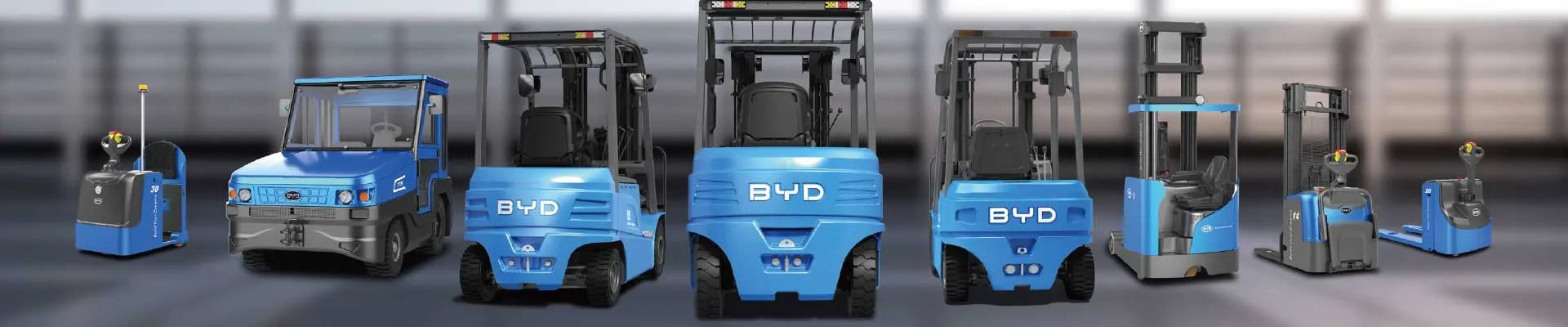

Near the traditional peak consumption season, Anbu, as a well-known food industry cluster in the region, various food processing, packaging, and distribution enterprises have entered the festival stocking stage one after another. Multi-line operations such as large-scale raw and auxiliary materials admission, finished product sorting and temporary storage, and order goods dispatch and outbound are carried out simultaneously. The demand for material transshipment within the factory area has increased significantly compared with the daily. Many small and medium-sized food factories have a limited number of transshipment vehicles on a daily basis, and the temporary purchase of new forklifts not only has a long approval process. After the stocking period ends and the production off-season enters, it is also prone to problems of idle equipment and waste of additional maintenance costs. Choosing a short-term lease of a special forklift that meets hygiene requirements has become a priority solution for many enterprises.
The warehousing and transshipment links of food production scenes have clear requirements for sanitary conditions. The structural design and material selection of ordinary industrial forklifts are often difficult to adapt to the usage specifications of such scenes. BYD's sanitary forklifts are specially designed for food production scenes. Targeted optimization, the outer surface of the body is smooth and smooth, and there are almost no gaps and dead ends that are easy to accumulate debris. The key operating parts of the equipment are sealed and protected, and it is not easy to accumulate dust and debris generated by food processing. The daily process of disinfection and sterilization of the whole body is also very simple, and it will not bring additional pollution risks to the food production environment in the factory area. It can well meet the operation access requirements of local food factories in Anbu.
The short-term leasing model of this type of forklift is also very suitable for the phased needs of holiday stocking. Enterprises can choose vehicles corresponding to the leasing time and load specifications according to the total length of their stocking cycle and the average intensity of daily transshipment operations. They do not need to bear long-term additional expenses such as subsequent equipment depreciation, annual maintenance, and annual certificate review. During the leasing cooperation period, they can also enjoy supporting regular on-site inspection and care services. If the vehicle encounters minor operating problems, they can also coordinate the operation and maintenance personnel to deal with them as soon as possible to avoid delaying the progress of stocking operations. Anbu local food factories with relevant needs can sort out the relevant parameters of their own operation scenarios in advance before docking the leasing service, including the width of the operation channel in the factory area, the average weight of frequently transshipped goods, and the ground flatness of the storage area. After communicating with the service provider in advance to match the most suitable model, after completing the vehicle entry commissioning and basic training of operators, it can be quickly put into use during the peak stocking period, effectively improving the efficiency of material transfer within the factory area, ensuring the smooth progress of the whole process of stocking during festivals, and helping enterprises complete the delivery preparations for various orders on time.


