
 简体中文
 Русский
 Français
 Português
 Español
 لالعربية

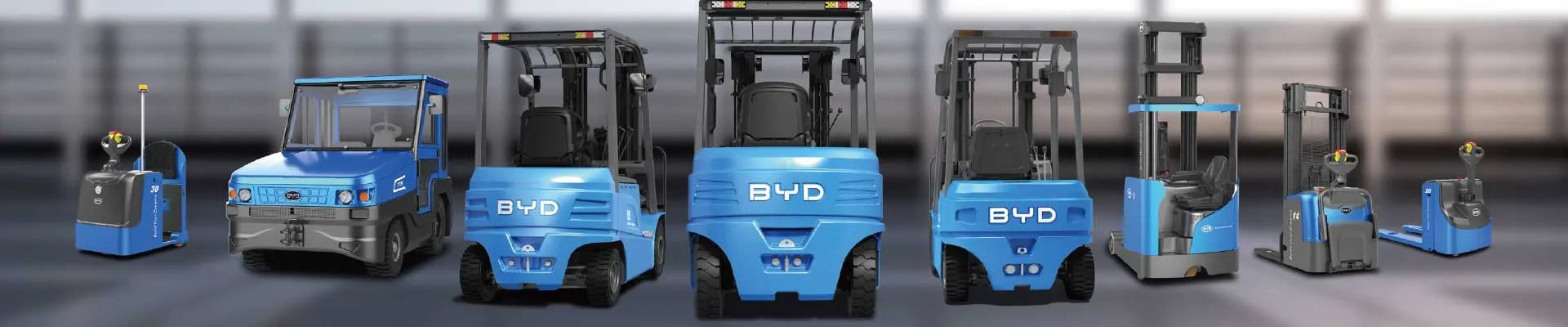

Most of the equipment manufacturing plants in the Shiqi region use the project-based production operation model. The R & D and production cycle, heavy component handling requirements, and on-site traffic conditions of different batches of projects all have obvious differentiation characteristics. The traditional fixed procurement forklift configuration model is prone to problems such as idle equipment and insufficient capacity during busy hours, making it difficult to adapt to the flexible and fluctuating production rhythm.
In view of the special attributes of project-based production, the large-tonnage forklift project leasing model can be well adapted to the actual needs of this type of factory. In the preparation stage of the plan, the operator will first map the operating conditions of the whole scene of the factory one by one, count the basic information such as component weight, handling distance, operation channel width, ramp slope, and load-bearing limit of the cargo area corresponding to different production links, and then combine the overall construction period of the project to split the different capacity requirements of the starting phase, peak production stage, and final shipment stage, and customize the corresponding forklift configuration plan.
This lease model customized according to the project cycle can help equipment manufacturing enterprises save a large amount of one-time equipment procurement investment, and do not need to bear additional costs such as regular maintenance, annual inspection, idle storage, depreciation loss, etc. The enterprise only needs to settle the corresponding expenses according to the actual operation time of the project, and the overall cost is more controllable.
During the implementation of the project, the leasing service provider can also flexibly optimize the capacity configuration according to the temporary adjustment needs of the project. When the production workload increases sharply at a certain stage and the heavy-duty handling efficiency needs to be improved in a short period of time, the corresponding number of forklift resources can be temporarily increased to ensure the production rhythm. When the project enters the gap rest period, the unnecessary capacity configuration can also be reduced in time to avoid resource waste. At the same time, the service provider will also provide corresponding pre-job training on operating specifications to help the operators quickly familiarize themselves with the customized operation requirements of the factory area and ensure the smooth and orderly development of on-site handling operations.
For equipment manufacturing plants that adopt the project-based production model, the demand-matched large-tonnage forklift project leasing scheme can effectively balance the efficiency requirements of heavy-duty handling with the cost control requirements, providing reliable on-site logistics support for the smooth operation of the whole production process.


