
 简体中文
简体中文 Русский
 Français
 Português
 Español
 لالعربية
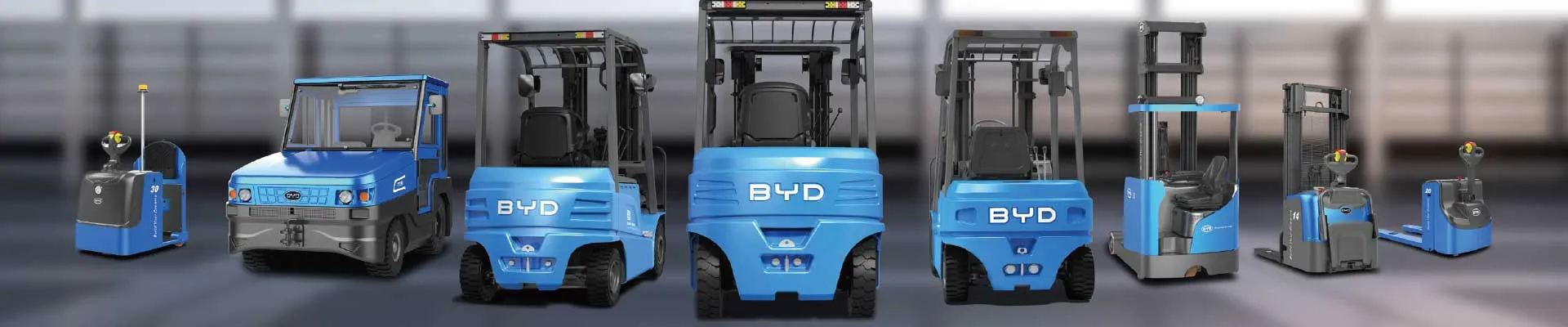
.jpg "2 tons/3 tons/5 tons electric forklift selection logic and adaptation scenario reference(figure1)")
When purchasing electric forklifts, many procurement practitioners often only focus on the rated load parameters, ignoring the matching degree of the operation scene, and are prone to problems such as insufficient operation flexibility, rapid equipment loss, and high energy consumption costs. This time, we have sorted out the general selection logic for the three most widely used mainstream load sections of 2-ton, 3-ton, and 5-ton electric forklifts in the market, and combined with different scenarios to give adaptation references, providing a practical basis for procurement decisions.
First, clarify the general bottom layer selection logic. First, anchor the maximum load margin of the actual operation. Try not to keep the equipment operating at the rated load limit for a long time. Reserving 10% to 20% of the load redundancy is more conducive to prolonging the service life of the equipment. Second, it is necessary to count the minimum width of the operation channel, the height of the unloading platform, the maximum slope of the site and other parameters in advance, and check whether the turning radius, lifting height and power parameters of the equipment meet the traffic requirements. Third, calculate the daily average continuous operation time, match the battery configuration of the corresponding capacity, and avoid frequent charging in the middle of the operation to interrupt the transfer rhythm.
Next, for models in different load segments, sort out the corresponding adaptation scenarios:
The weight of the 2-ton electric forklift is relatively light, the steering is flexible, and the body footprint is smaller. Suitable scenarios include the transshipment of scattered goods in small and medium-sized e-commerce warehousing intensive areas, the sorting material turnover of fresh distribution centers around the community, the short-distance dispatch of small batches of materials in the light industrial processing workshop, and the cargo access operation in the narrow aisle low-level shelf area. This kind of scenario generally carries less than 1.5 tons of goods at a single time, and the operating space is relatively compact. The flexibility of the 2-ton electric forklift can give full play to its advantages and reduce unnecessary energy consumption.
The 3-ton electric forklift is currently the mainstream model with the highest application coverage rate. The load adaptation range covers most of the conventional industrial handling needs. The steering radius is moderate, and the body size will not be too large. The adaptation scenarios include the cross-workshop transfer of raw materials and finished products in ordinary manufacturing plants, the conventional goods in and out of warehousing operations in large and medium-sized warehousing centers, the van loading and unloading supporting operations in logistics parks, and the large-scale goods transfer operations in the commercial wholesale market. This type of scenario has a single handling load between 2 and 2.5 tons, and the operating space is moderately open. The comprehensive balancing capacity of the 3-ton electric forklift can adapt to the vast majority of conventional on-site handling needs, and the operation and maintenance costs are also within a reasonable range.
The 5-ton electric forklift belongs to the electric model of the large load section, with stronger power performance and stable body structure. The suitable scenarios include the transfer of heavy parts in heavy industry enterprises, the handling of large-scale plates and pipes in the building materials market, the short-distance turnover of heavy goods in the port freight yard, and the displacement of heavy complete sets of equipment in large production plants. The weight of a single load of goods in such scenarios is generally more than 3 tons. Most of the operation areas are open hardening sites, which have higher requirements for the load capacity and structural strength of the equipment. The 5-ton electric forklift can complete the heavy cargo transfer operation, and at the same time meet the relevant requirements of low-emission and silent operations in the factory.
In the actual selection process, there is no need to pursue excessive load redundancy blindly. By considering the actual operation frequency, cargo attributes, and site conditions, the electric forklift with the highest degree of adaptation can be selected, so as to take into account long-term operation efficiency and comprehensive use costs.


