
 简体中文
简体中文 Русский
 Français
 Português
 Español
 لالعربية
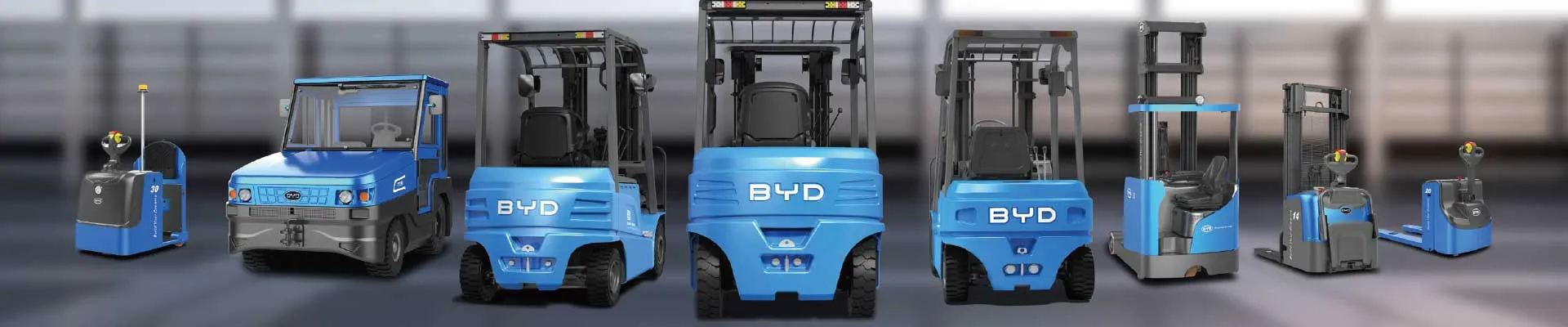

Caitang is a high-concentration area of the domestic stainless steel industry. A large number of local stamping workshops need to frequently transfer various types of metal billets on a daily basis. The traditional mode of manual handling and simple transfer tool operation is prone to material collision loss, chaotic movement, and operation efficiency. It is not enough to keep up with the production rhythm. Therefore, the rational use of standard electric forklifts suitable for the scene can effectively match the actual needs of continuous production in the stamping workshop.
Before the operation is carried out, the relevant operators need to complete the corresponding pre-job training, be familiar with the basic performance parameters of the forklift used, complete the vehicle status investigation before leaving the car every day, and confirm one by one that the brake system, power reserve, and tightness of the fork arm fasteners are all in a normal state. At the same time, comb the fixed moving line inside the workshop in advance, clarify the blank temporary storage area and the unloading points of different stamping stations, and clean up the scraps scattered on the transfer route in advance., Temporarily stacked small workpieces to avoid scratches and slip latent risks during transshipment.
In the formal transfer operation, it is necessary to fully combine the characteristics of the surface of the stainless steel stamping billet that are prone to scratches and sharp corners. When forking, adjust the spacing of the fork arms in advance, and match the width of the tray carrying the billet. Keep a safe distance of 20 to 30 cm from the bottom of the billet after lifting and the ground. Keep low speed throughout the journey. Pay attention to avoiding passing workers in the workshop, and sound the alarm in advance when passing through corners and visual blind spots of large equipment. Do not rush in the direction or step on the brakes under heavy load to prevent the billet from slipping or unnecessary bumping and scratches on the surface. During the driving process, strictly follow the preset fixed moving line, and do not temporarily occupy the operation reserved channel of the stamping equipment to avoid interfering with the normal production rhythm of other stations.
After completing the transfer and unloading, the vehicle drives to the periphery of the designated stamping station. First confirm that the ground in the unloading area is flat and stable, and then slowly lower the blank tray. After confirming that the tray is placed stably, the fork arm is smoothly pulled out to avoid scratching the sharp edge of the blank. After each batch of transfer operations is completed, the vehicle should be parked back to the designated charging and parking area, and the metal debris scattered on the body surface should be cleaned up in time. Regular inspections of the fork arm and load-bearing structure should be carried out to avoid long-term wear of metal debris parts and ensure the stable operation of subsequent operations. The whole operation process fits the actual production scene of the Paitang stainless steel stamping workshop. On the premise of ensuring the safety of the operation, it can effectively improve the circulation efficiency of the blank transfer and reduce the unnecessary loss of material transfer.


