
 简体中文
简体中文 Русский
 Français
 Português
 Español
 لالعربية
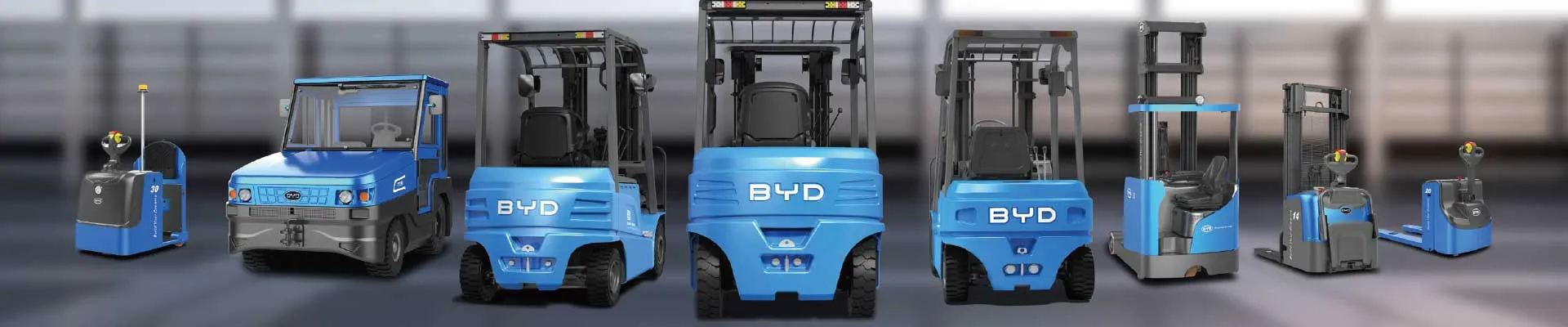
.jpg "Key Points of Operation Safety Management of High Shelf Storage Forklift(figure1)")
Due to the large stacking height of goods and the relatively narrow passage space, high-shelf storage scenarios place higher requirements on the safety control of warehousing forklifts for supporting operations. Improving the safety management system of the whole process is the core premise for avoiding common risks such as collisions, falling goods, and vehicle rollover. It is also the basic support for ensuring the long-term stable operation of warehousing operations.
The first is to implement the whole process control of personnel qualifications. All employees who operate high-shelf storage forklifts must go through systematic theoretical training and practical operation assessment to confirm that they have fully mastered the vehicle performance parameters, high-shelf area traffic rules, and high-level pick-and-release operation logic before they can work with a certificate. In daily management, safety re-training should also be organized regularly, and warning education should be done in combination with common accident cases in the past industry to avoid operators from being paralyzed due to long-term repeated operations. Unqualified personnel are strictly prohibited from testing and operating high-level forklifts without authorization. To prevent unrelated personnel from entering the forklift operation cabin at will and touching the control device.
The second is to establish a fixed vehicle front point inspection mechanism. Before the daily operation starts, the operator must check the vehicle's braking system, lift gantry, steering structure, warning sound and light device, and load-bearing limit device one by one to confirm that there are no loose parts or abnormal functions. It is strictly forbidden for the vehicle to operate "with disease" on the line. Professional operation and maintenance personnel should also perform in-depth maintenance on the vehicle according to the fixed cycle, replace aging pipelines and excessive wear parts in a timely manner, and regularly calibrate the load-bearing warning and height limit safety devices to avoid potential safety hazards caused by sudden failures during vehicle operation.
The third is to clarify the behavioral boundaries of the operation scene. The high-shelf operation area must draw a clear traffic boundary line, and clarify the speed limit of vehicles under different loads and lifting heights. It is strictly forbidden to carry people illegally during the driving process of the forklift. When lifting the fork, the operator must keep the body stable, and the surrounding area is designated as a temporary warning area to prohibit unrelated personnel from entering. Before picking and unloading goods at a high level, it is necessary to confirm that the depth of the fork inserted into the cargo pallet meets the load-bearing requirements. It is not allowed to pick the goods unilaterally to avoid rollover caused by the deviation of the center of gravity. During the passage process, it is necessary to maintain a sufficient safe distance from the shelf columns and the goods stacked around. It is strictly forbidden to speed, make sharp turns, and overtake
Finally, it is necessary to support the landing inspection and emergency management mechanism. Warehousing operators should establish a daily inspection mechanism for high-shelf forklift operations, arrange special personnel to correct non-standard operations in the operation process in a timely manner, and formulate emergency response plans corresponding to sudden risks. Regular real-life drills are organized to ensure that relevant personnel can quickly and properly handle unexpected situations and minimize the impact of accidents. The entire safety management system should be integrated into every detail of daily operations to avoid only staying on paper rules in order to balance the efficiency of warehousing operations and safety protection needs for a long time.


