
 简体中文
简体中文 Русский
 Français
 Português
 Español
 لالعربية
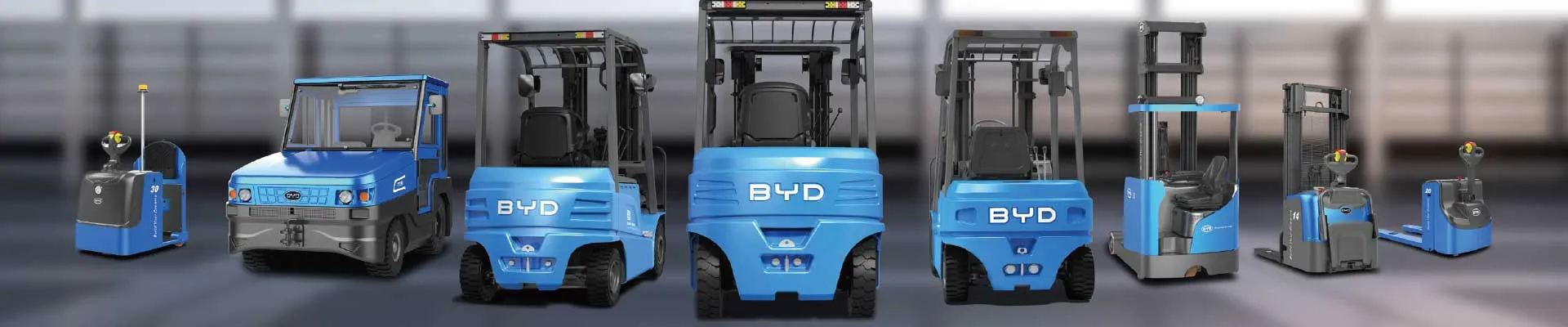

For practitioners engaged in fast-moving consumer goods, light industry, and small commodity distribution warehousing operations in the Gurao area, small-tonnage electric forklifts are the core handling equipment for high-frequency use. This type of warehousing-specific vehicle has relatively closed operating scenarios and small daily load-bearing weight fluctuations. However, the use time is generally high, and regular basic maintenance can not only reduce the loss of operation interruption caused by sudden failures, but also effectively extend the overall service life of the equipment and reduce long-term operating costs.
The first is the basic maintenance inspection items that must be done before the daily shift. Before starting each operation, the operator must first check the appearance status of the power system, confirm that the battery shell is not bulging or leaking traces, the battery terminals are not loose or oxidized, the dust cover of the charging interface is opened and closed smoothly, and the surface of the plug joint is not deformed and worn. After confirming that the remaining power can meet the basic operation needs of the day, start the equipment. Then complete the initial inspection of the walking system, check whether there is any embedded debris on the tire surface of the four wheels in turn, the degree of wear is within the safe range, the fixing bolts on the edge of the wheel are not loose, and the steering damping is evenly tested by pulling the operating handle. There is no abnormal noise throughout the process.
Secondly, it is a special project maintenance project that is carried out on a weekly basis. According to the high-frequency use characteristics of warehouse models, targeted inspections of the hydraulic lifting system should be carried out every week, and the whole process of lifting and lowering of the fork should be tested without load. Whether the whole process is smooth, there is no abnormal sound or stagnation, check the interface position of the hydraulic YouTube for oil leakage marks, and keep the hydraulic oil level within the safe range marked by the equipment. After that, the braking performance of the vehicle should be tested, and multiple start-stop tests should be completed in the open storage operation area to confirm that the braking distance meets the safety standards, and the brake pedal's pedaling stroke is not too large. At the same time, the storage dust and cargo debris attached to the body surface should be cleaned up to avoid small debris entering the gap of the electric control cabinet and affecting the stable operation of the components.
Finally, the monthly in-depth maintenance project is carried out regularly. Every 30 days, the lifting chain of the car body and the position of the transmission bearing should be supplemented with an appropriate amount of special grease to reduce the dry friction loss between the metal parts. At the same time, comprehensively check whether all the working lights and warning sound prompt devices are running normally, and whether the safety touchpoint of the seat and the trigger response of the emergency power-off switch are sensitive. All basic maintenance operations are recommended to be carried out by professionally trained personnel. After each maintenance is completed, make a corresponding record ledger. If you encounter any abnormal situation that cannot be solved by independent investigation, you should contact the official after-sales staff at the site as soon as possible to deal with it. Do not disassemble the core electronic control and power components without permission to avoid unnecessary equipment damage and ensure the stable and orderly development of subsequent storage and handling operations.


