
 简体中文
 Русский
 Français
 Português
 Español
 لالعربية

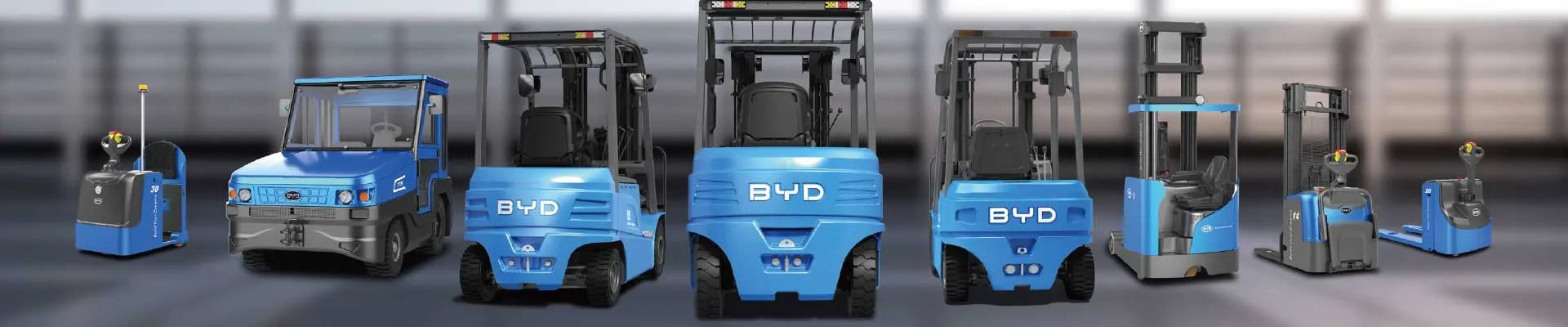

The local small household appliance industry cluster gathers a large number of small and medium-sized manufacturing enterprises. The characteristics of the industry determine that the order volume has obvious fluctuation characteristics. The order scale is stable during the daily period. During the peak consumption season or when large-scale centralized orders are placed, the amount of raw material transshipment, finished product warehousing and outbound, platform loading and unloading in the factory area will rise sharply in a short period of time. Many small household appliance manufacturers have encountered the dilemma of logistics equipment configuration before. If they purchase enough forklifts to cover the peak operating demand, most of the forklifts will be idle during the off-season of orders, which will not only occupy the procurement funds, but also generate additional hidden costs for subsequent annual maintenance, battery maintenance, and site storage. Natural depreciation of equipment will also bring about considerable asset loss. If only a small number of forklifts are configured to handle daily orders, the peak operation efficiency cannot keep up, which can easily slow down the overall production rhythm, and even affect the punctuality of order delivery, which will have an unnecessary impact on the company's market reputation. In response to such operational pain points commonly encountered in the small household appliance industry, the flexible leasing solution launched by BYD Electric Forklift can well adapt to the logistics equipment configuration needs of the factory area under the fluctuation of orders. The plan does not bind fixed long-term use requirements. The cooperative factory can flexibly adjust the number and use cycle of leased forklifts according to its own order scheduling plan. During the peak order period, additional leased equipment can be added to cover the logistics operation needs of all aspects of the factory area, ensuring that the production and delivery rhythm is not limited by equipment capacity. When the order is off-season, idle equipment can be returned without paying additional fees for unused equipment. In addition to the flexible adjustment of equipment usage rights, the whole set of leasing plans also includes supporting operation and maintenance services. During the cooperation period, the daily vehicle condition inspection, regular maintenance, and on-site maintenance of faults are all the responsibility of the service party. The factory does not need to configure the full-time staff of forklift operation and maintenance separately, which further reduces labor costs. The factory can also change the suitable forklift models at any time according to the needs of different operation scenarios. For example, lightweight and flexible walking forklifts can be used for small-scale transshipment in narrow production workshops, and high-level picking forklifts can be used for cargo access in high-level shelf areas. The operation efficiency in different scenarios can be guaranteed. At present, many small household appliance manufacturers in the installation area have adopted this kind of flexible leasing scheme. On the premise of ensuring smooth daily logistics operations, it effectively reduces the comprehensive operating costs of logistics equipment in the factory area, and also provides small and medium-sized manufacturing enterprises with more flexible equipment configuration options to cope with order fluctuations. This scheme will also continue to optimize the service details according to the actual feedback of local factories in the future, providing more suitable factory logistics support for more production and operation entities.


