
 简体中文
简体中文 Русский
 Français
 Português
 Español
 لالعربية
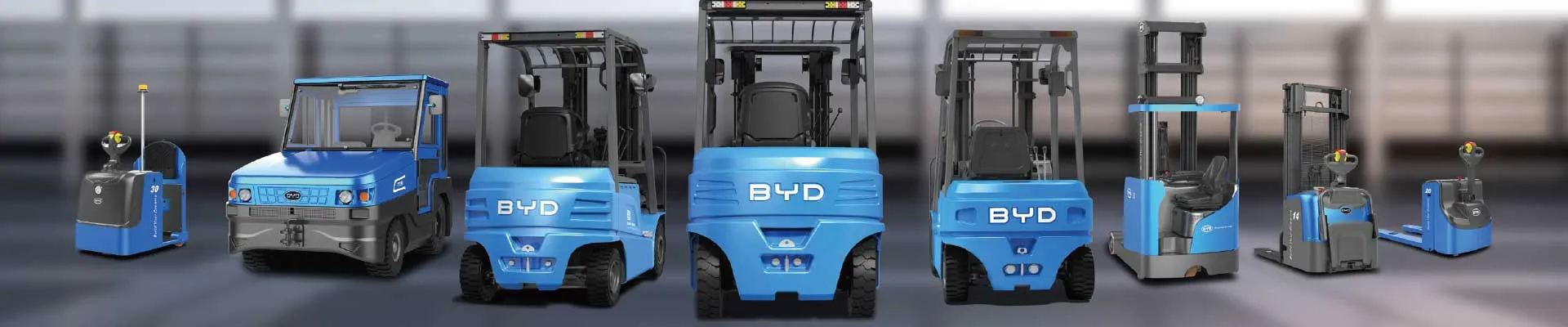

Leliu is a mature hardware industry cluster in China. There are a large number of hardware production and processing enterprises of different scales distributed locally. Most practitioners are familiar with the order fluctuation characteristics of the industry. During the downstream home improvement collection season and the centralized delivery period of foreign trade orders, many factories will temporarily face the problem of logistics capacity gap. The number of forklifts originally fixed configuration cannot keep up with the rhythm of material transfer and finished product loading and unloading in the workshop. If enterprises directly purchase new forklifts in order to cope with short-term order peaks, and wait for the order volume to fall behind, the excess equipment will fall into a long-term idle state, and the follow-up will have to bear additional expenses such as annual equipment inspection, daily maintenance, and special personnel on duty, which will invisibly increase the operating costs of enterprises.
In response to this common pain point of local hardware manufacturing enterprises, the flexible leasing service launched by BYD Electric Forklift can just adapt to the flexible capacity demand during the fluctuation period of orders. This kind of service jumps out of the long-term contract restrictions of traditional industrial equipment leasing. Enterprises can choose different cooperation plans such as weekly rent, monthly rent, and quarterly rent according to their actual order cycle. During peak order periods, multiple equipment can be rented on demand, covering multiple operation scenarios such as line-side material distribution, heavy-duty hardware workpiece transfer, and factory loading and unloading. After the order volume falls, the number of leased equipment can be adjusted at any time, without paying additional fees for idle forklift resources.
All BYD electric forklifts put into the leasing scene have undergone unified and standardized maintenance and commissioning, and the vehicle condition is stable. They can adapt to the operation requirements of narrow workshop passages and medium and heavy cargo lifting and transshipment commonly found in hardware factories. During the leasing period, the nearest operation and maintenance response service is also provided. If there is a problem with the use of the equipment, the staff can be quickly arranged for door-to-door investigation and processing, and the impact on the daily production rhythm can be reduced as much as possible. For Leliu's local cooperative enterprises, the service provider also supports fast door-to-door delivery, eliminating the cumbersome procurement approval process. After confirming the demand, the equipment can be deployed to the corresponding operation position in a short time, which greatly shortens the waiting period for capacity replenishment.
This flexible leasing model essentially helps manufacturing enterprises convert rigid logistics equipment procurement costs into on-demand variable operating expenses. In the current volatile market environment, it can not only fully ensure the transfer efficiency of the whole production process, but also reasonably control non-essential fixed asset investment, providing a more practical and flexible new option for the logistics capacity deployment of local hardware factories.


