
 简体中文
简体中文 Русский
 Français
 Português
 Español
 لالعربية
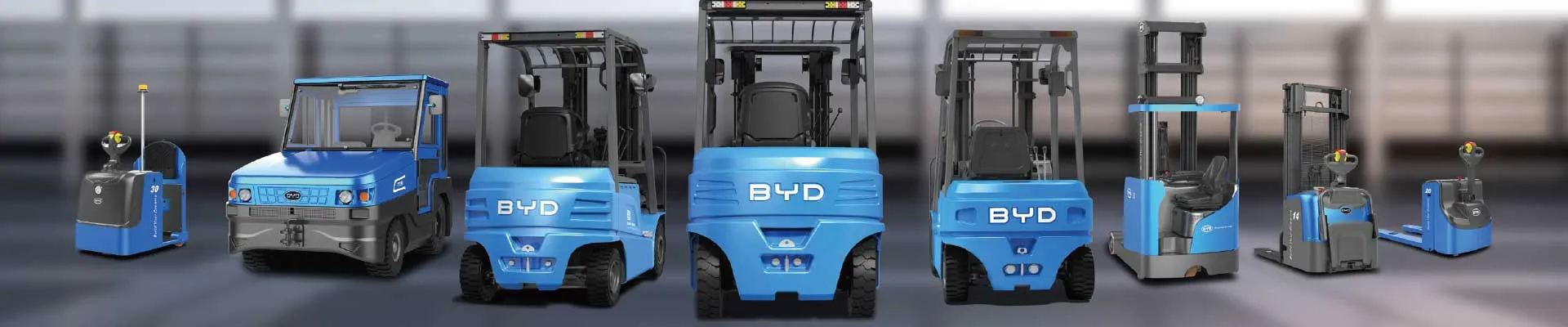
.jpg "Overall configuration plan of electric forklift in modern logistics center(figure1)")
With the continuous improvement of the domestic commercial and trade circulation network, the operation throughput and cargo complexity of modern logistics centers continue to increase. As the core handling capacity of electric forklifts, the rationality of their configuration directly affects the operation fluency of the entire reservoir area. A set of overall configuration plans for electric forklifts that adapt to their own operating characteristics does not need to pursue high-parameter configuration excessively. It can be gradually implemented from three dimensions: early demand research, sub-scenario adaptation, and supporting system construction.
First of all, it is necessary to complete the pre-mapping of the operation requirements of the whole warehouse area. The operator can first sort out the basic parameters of different operation links one by one, covering the minimum traffic width of each channel in the warehouse area, the maximum operation height of the shelf, the ground load-bearing threshold, the daily average operation order volume peak, the average load of conventional handling goods, the daily average continuous operation time and other core information. At the same time, the personnel movement line and operation frequency of different operation links such as receiving and unloading, in-warehouse transshipment, high-level storage, and picking out of the warehouse are counted to avoid the problems of parameter mismatch, excess or insufficient capacity in subsequent configuration.
Secondly, match the corresponding type of electric forklift products according to different operation scenarios. The platform receiving area can be configured with a counterbalanced electric forklift suitable for conventional pallet loads to meet the conventional operation requirements of unloading, short-distance transshipment, and low-level stacking, taking into account the convenience of operation and operation stability. High-level operation electric forklifts can be selected in the high-shelf storage area, which is suitable for narrow channel traffic requirements. On the premise of not changing the original layout of the warehouse area, the utilization rate of warehouse space can be effectively improved. The bulk picking area can be configured with a lightweight walking electric forklift, which is flexible in steering and can be adapted to the needs of small-scale high-frequency picking and replenishment operations, which greatly reduces the physical consumption of personnel walking. For the exclusive operation area of large and heavy goods, it can be matched with heavy-duty electric forklifts of corresponding load levels to meet the transshipment needs of large and heavy groups of goods.
Finally, it is necessary to establish a supporting operation and maintenance guarantee system for electric forklifts synchronously, and rationally layout charging points in combination with the moving line planning of the reservoir area to reduce the driving distance of the forklift's invalid replenishment. Reserve a certain proportion of spare capacity to cope with the sudden operation needs of e-commerce promotion and peak business periods. Establish a normal daily maintenance inspection mechanism, regularly check the condition of the core components of the vehicle, and reduce the probability of unexpected downtime. The compliance configuration of all-electric forklifts can also improve the working environment in the warehouse area, reduce the impact of exhaust gas and noise of traditional internal combustion equipment, and help the logistics center achieve the long-term goal of green operation.


