
 简体中文
简体中文 Русский
 Français
 Português
 Español
 لالعربية
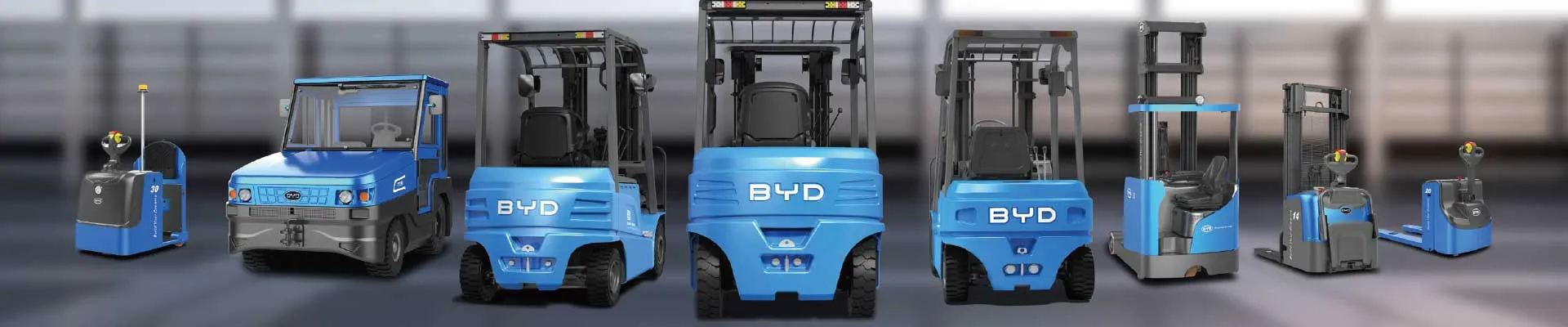
.jpg "Reference for Differences in Operation Experience between Mounted and Walking Electric Forklifts(figure1)")
In various warehousing and factory material handling scenarios, the popularity of electric forklifts is constantly increasing, and many practitioners with procurement and use needs are often torn between ride-on and walk-on products. In addition to the differences in public parameters and indicators, the differences in actual operation experience often have a more direct impact on daily operation efficiency and personnel fatigue. You can make corresponding references in combination with your own operation scene needs.
The first is the intuitive experience difference brought by the operation posture. The operator of the walking electric forklift maintains a standing posture to follow the movement of the equipment throughout the process, without the need for additional boarding and alighting processes. The start-stop response speed is direct, which is very suitable for small-scale operation scenarios with short-distance round trips. However, if the average daily operation time exceeds three hours, standing and walking for a long time can easily bring fatigue of sore lower limbs. When encountering a small slope section in the operation area, it is necessary to adjust its center of gravity and cooperate with the equipment to complete the movement. The ride-on electric forklift is equipped with an exclusive riding area, and the operator is seated throughout the operation. The lower limbs can be fully supported, and long-distance transportation or continuous high-frequency operation for several hours will significantly reduce physical fatigue. However, it is necessary to complete the process of boarding and confirming that the safety restraint device is in place before each start, and the operation steps are relatively more numerous.
The second is the operation adaptation experience in different scenarios. The overall fuselage of the walking electric forklift takes up a smaller space. When moving and turning in narrow storage lanes, elevator rooms or high-density stacking areas, there is no need to reserve too much turning space. The operator can observe the position of the fork sideways at any time, and the flexibility of adjusting the pick and place accuracy is higher. However, during the operation, the operator needs to keep an eye on the small obstacles on the ground at any time to avoid bumps during walking. The ride-on electric forklift is equipped with a special steering structure, which allows the line of sight to cover a large area in front of it during driving, providing better stability for long-distance movement. During operation, it can simultaneously consider the driving state and the fork lift state. The experience is smoother in the long-distance transfer scene of a large logistics park and an open factory area, but when entering a narrow roadway, the steering accuracy is higher, and the adaptation period for beginners will be slightly longer.
Finally, there is the difference in the experience threshold. The control button layout of the walking electric forklift is very simple. After simple Security Training, zero basic personnel can complete the basic handling operation. However, the operation mode of following the equipment movement throughout the process requires relatively higher physical strength for the operator. The function buttons of the ride-on electric forklift are distributed on the exclusive console, which requires the operator to be familiar with the instrument display and the switching logic of different functional gears. After the system training to obtain the corresponding operation qualifications, the operation burden of a single person during regular operations is lower, and it is more suitable for high-frequency and long-term standardized handling scenarios. You can choose according to the distance, site space, daily average operation time and other factors of your daily operation, and you can find products that are more suitable for your own needs.


