
 简体中文
简体中文 Русский
 Français
 Português
 Español
 لالعربية
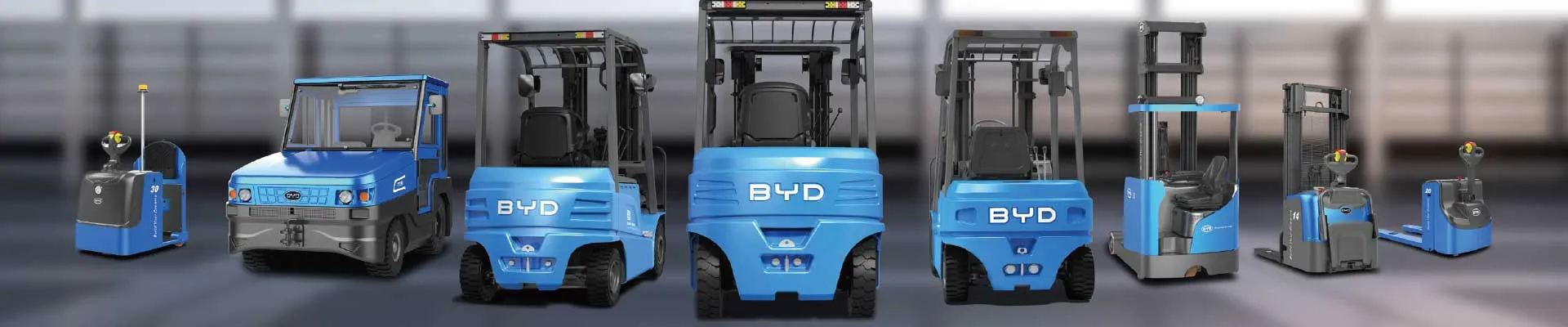
.jpg "The introduction of new projects in Liaobu Auto Parts Plant, BYD forklift transitional leasing service reference(figure1)")
Liaobu, as the core auto parts industry agglomeration area in the region, has seen many local auto parts companies in recent years advance the groundbreaking preparations for new production lines and new business segments in an orderly manner. During the entire process of introducing new projects, there are often obvious fluctuations in the demand for internal logistics handling at different stages. Many companies have previously encountered practical problems such as mismatching of fixed procurement forklift cycles and short-term capacity gaps that are difficult to fill.
The whole process of introducing new projects covers production line installation and commissioning, the first batch of raw materials into the field storage, small batch trial production, mass production climbing and other links. The handling requirements of different links vary greatly. If the fixed asset procurement process is started after the project is officially launched, the approval and delivery cycle is often long, and it is easy to miss the progress node of the project. If the vehicles are temporarily dispatched and scattered, there are hidden dangers of uneven vehicle conditions, unguaranteed operation and maintenance, and irregular operations, which may even slow down the pace of the overall project.
The transitional leasing service launched by BYD forklifts is designed to meet such phased needs. The service plan can be flexibly adjusted according to the actual situation of the enterprise. Models with different loads and different operating heights can be selected according to the channel width, cargo stacking requirements, and heavy-duty transshipment requirements of the auto parts factory workshop. The leasing cycle fully fits the preparation time of the new project. From short-term adaptation of 1 to 2 months to long-term matching of more than half a year, it can be agreed on demand.
In response to the exclusive operating scenarios of the auto parts industry, the service team will also visit the factory in advance to survey the operating environment, adjust the vehicle condition during the lease period, and arrange for exclusive operation and maintenance personnel to respond. Daily maintenance, troubleshooting, and other work do not require the enterprise to invest additional manpower costs, nor do they have to go through the complex fixed asset procurement approval process, and settle service expenses on demand, which greatly reduces the pressure on the preparation funds for new projects in the early stage.
Local auto parts companies can also refer to several practical points when selecting such services. First, in the early stage of starting new project preparations, they can sort out their own handling needs in advance, count the daily transshipment trains, the maximum transshipment cargo weight, workshop ramps and channel parameters, and connect with the service party in advance to reserve suitable models to avoid the problem of model mismatch in temporary shunting. Secondly, during the service agreement signing stage, the operation and maintenance response timeliness and the replacement mechanism of faulty vehicles can be clarified to ensure that the peak period of trial production will not lead to production line stagnation due to equipment problems. After the final transition period, enterprises can also choose different follow-up cooperation methods such as lease renewal and direct procurement of equipment according to the actual production situation of new projects, and flexibly adapt to their own long-term development plans.
This service model effectively fills the logistics capacity gap in the introduction stage of new auto parts enterprises, eliminating the need for enterprises to bear the hosting and maintenance costs of idle equipment. It can help Liaobu's local new auto parts projects smoothly and smoothly complete the transition from preparation to formal mass production.


