
 简体中文
简体中文 Русский
 Français
 Português
 Español
 لالعربية
.jpg "Reference for the selection standard of electric forklift for heavy-duty operation scenarios(figure1)")
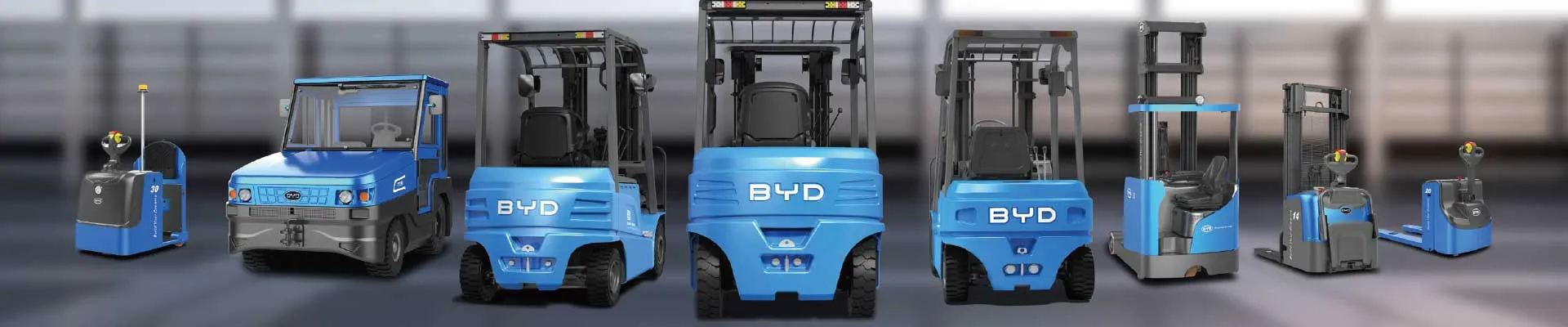
With the continuous advancement of industrial greening transformation, many heavy-duty operation scenarios in bulk warehousing, port transshipment, and heavy industry production plants have begun to gradually replace traditional fuel handling equipment and choose electric forklifts to meet the needs of low emissions and low operation and maintenance costs. In the selection stage, many front-line operation managers tend to focus only on the nominal parameters and ignore the adaptability of actual working conditions, resulting in low utilization of subsequent equipment and increased hidden dangers. It is necessary to master scientific selection reference standards.
The first step in the selection is to sort out the maximum heavy load weight of daily operations, and reserve 10% to 15% of the load redundancy. It is also necessary to comprehensively confirm the load attenuation curve corresponding to the lifting height of the gantry. You can't just refer to the maximum load parameters marked on the equipment nameplate to avoid the problem of insufficient actual bearing capacity under high lifting conditions. In the selection stage, you should also consider the width of the operation channel and the turning radius of the site simultaneously to ensure that the selected equipment can pass smoothly in the existing site without additional site modification.
The second is the adaptation dimension of power and battery life. The continuous operation time requirements of equipment in heavy-load scenarios are often higher. When selecting models, the total daily operation time, single-trip handling distance, and cargo transfer frequency should be combined to match the corresponding power battery capacity. At the same time, refer to the continuous output torque parameters of the motor to ensure the operation stability of climbing and long-distance transfer under full load. Scenarios with high-frequency continuous operation requirements can also be matched with equipment structures that support quick replenishment, reduce waiting time in the middle, and improve the smoothness of all-day operation.
Finally, there is the adaptation dimension of the accessory configuration. The types of goods in different heavy-duty operation scenarios vary greatly, such as bulk bulk material handling, heavy component transfer, container loading and unloading, etc., and the corresponding special attachment structure can be selected as needed. At the same time, attention should be paid to the detailed configuration of the braking system, operation field design, wear resistance of the bearing wheel, etc., to match the use loss requirements of high-frequency heavy loads, and reduce the investment in subsequent daily operation and maintenance. In the overall selection stage, there is no need to blindly pursue too high parameter configuration. Only by balancing and screening according to the comprehensive needs of its own actual operation scenarios can electric forklift products with high adaptability and lower life cycle use costs be selected.


