
 简体中文
简体中文 Русский
 Français
 Português
 Español
 لالعربية
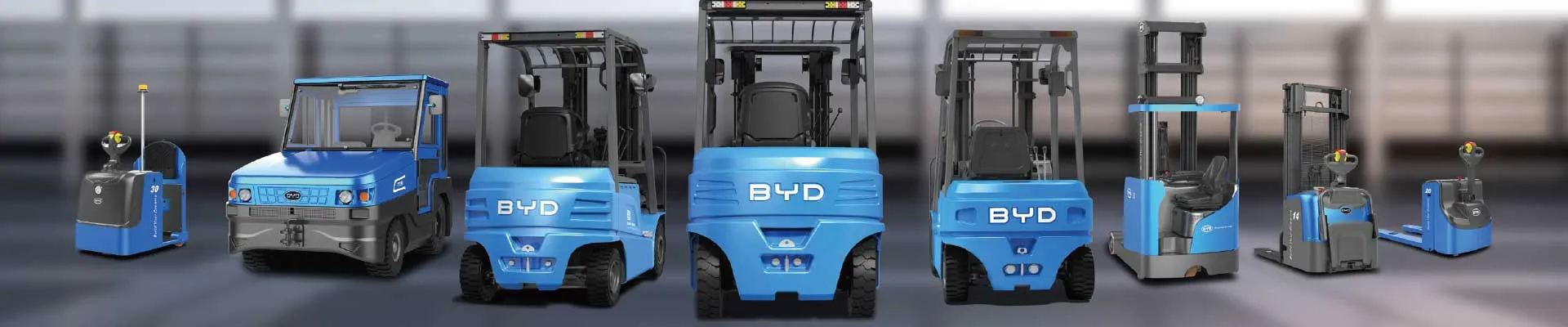

Houjie is a well-known furniture industry cluster area in China. A large number of furniture cutting workshops of different sizes are distributed within the jurisdiction. In the daily production process, it is necessary to frequently transfer the whole stack of solid wood panels, cut work in progress wood, corner scraps and other heavy materials. The traditional internal combustion handling equipment used in many workshops in the past is prone to exhaust residues and noise in the closed workshop space. Long-term operation has a certain impact on the somatosensory experience of front-line operators.
Before the official start of the wood handling operation, the operator needs to confirm in advance whether the forklift battery power meets the needs of the on-duty operation, check whether the forks, lifting chains, and braking systems are in normal condition, and familiarize themselves with the wood stacking area, material opening station, and temporary storage area in the workshop in advance. To avoid the scattered wood and production tools piled up on the ground, clear the obstacles in the transfer channel in advance, and confirm that the channel width meets the traffic requirements of large-tonnage forklifts.
During the operation, it is necessary to abide by the standard operation requirements. When forking wood, adjust the spacing of the forks according to the weight of the whole stack of plates to ensure that the force of the two forks is uniform, so as to avoid the sliding and bumping of the plates due to unilateral force. The height of the lifting fork should not be too high. It can be started to drive 20 to 30 cm off the ground. During the driving process, the driving speed should be controlled. When encountering the scene of turning and personnel intersection, the horn should be honked in advance. It is strictly forbidden to accelerate and brake suddenly. When unloading the material to the cutting station, it is necessary to align the card position in the stacking area and lower it smoothly to ensure that the wood is neatly arranged to avoid potential dumping.
In response to the common slippery ground and heavy-duty operation requirements of furniture cutting workshops, the power response parameters of forklifts can be adjusted regularly on a daily basis to adapt to the transshipment needs of different weights of wood. After the daily operation, the forklift should be parked in the designated charging area to clean the residual sawdust on the surface of the body, and make daily maintenance records to ensure the long-term stable operation of the equipment. This set of operation processes is adapted to the actual production rhythm of the local furniture cutting workshop in Houjie, which can effectively improve the fluency of wood transportation, reduce unnecessary material loss, and provide assistance for the efficient operation of furniture production.


