
 简体中文
简体中文 Русский
 Français
 Português
 Español
 لالعربية
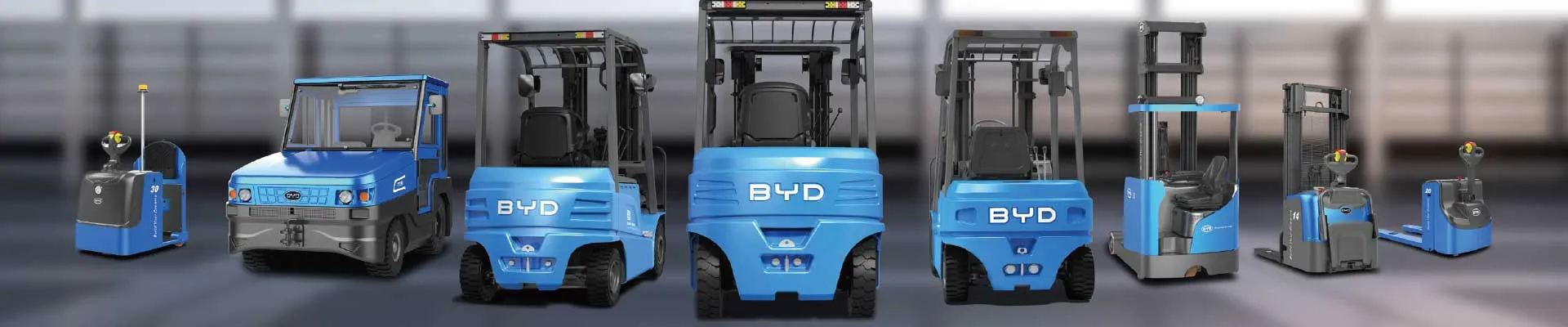

The operation characteristics of Shuikou plumbing hardware warehousing are relatively distinct. The daily storage of goods covers all kinds of metal pipe fittings, valves, and bathroom hardware fittings. The weight of single cargo is generally in a high range, and the frequency of on-site transshipment is high. During the operation, it is easy to have forklifts that start braking frequently, forks scratching metal cargo frames, and tires touching the ground to produce abnormal wear and tear. It is difficult for ordinary light-duty transshipment equipment to adapt to such long-term heavy-duty operation requirements. When BYD heavy-duty forklifts enter this type of scene operation, they can implement targeted wear-resistant operation rules based on the actual storage conditions, effectively reducing the loss of each component, prolonging the service life of the whole machine, and better matching the daily operation rhythm of plumbing hardware warehouses.
In the daily operation, the first step is to do a good job of pre-inspection. Before the operator starts each shift, they must carefully check the wear state of the tire tread of the forklift, and promptly clean up the metal debris and sand particles stuck in the tire seam to avoid abnormal damage to the tread caused by long-term extrusion of hard objects. At the same time, carefully check the state of the wear-resistant protective layer on the surface of the fork. If local wear is found to expose the base, they should report it as soon as possible to avoid scratching the outer packaging of the goods and causing the hardware to fall and scratch the storage floor.
During the operation, the operator should abide by the standardized operation requirements, maintain a slow acceleration rhythm during the starting stage of heavy loading, avoid unnecessary losses caused by severe friction between the tire and the ground, and control the vehicle's travel speed smoothly during the transfer process. Do not brake and drag on the hard ground. When stacking the whole hardware, align the insertion position of the fork in advance, and do not forcibly pick the cargo plate obliquely to cause local force wear and tear on the side of the fork. When encountering small hardware and packaging debris scattered on the ground, get out of the car and clean it up before passing. Do not directly run over and cause the tread to be punctured by sharp edges and corners.
The daily operation and maintenance stage should also implement targeted wear-resistant maintenance requirements. After the daily operation, it is necessary to clean up the residual hardware debris and metal dust of the forklift body in time, especially the residual impurities of the wheel shaft and fork connection parts. Regularly add lubricating media to the relevant moving parts according to the requirements of the operation and maintenance manual to reduce the dry friction loss between the parts. Combined with the operation schedule of the water nozzle plumbing hardware warehouse, regularly conduct a systematic investigation of the wear-resistant parts of the whole machine, and replace the parts with the degree of loss reaching the replacement standard in time. Do not cause unnecessary operation risks due to overdue service.
After the implementation of this set of adaptable wear-resistant operating rules, not only can BYD's heavy-duty forklifts better adapt to the high-frequency and heavy-duty transshipment needs of the water nozzle plumbing hardware warehouse, but also simultaneously improve the overall operation efficiency of the warehouse, reduce the accidental loss during the transshipment of goods, and provide stable support for the on-site logistics operation of the plumbing hardware warehouse.


