
 简体中文
简体中文 Русский
 Français
 Português
 Español
 لالعربية
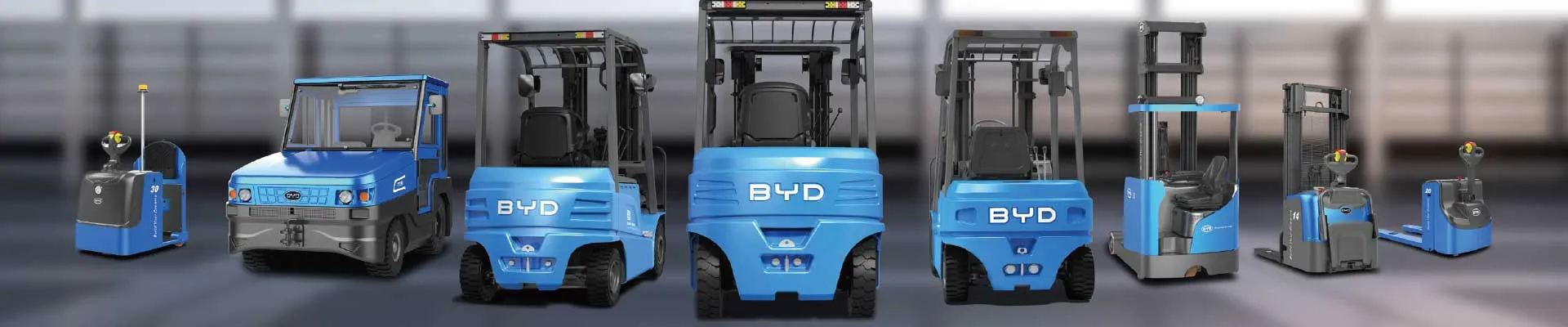
In the context of the continuous advancement of the domestic "double carbon" strategy, the demand for green upgrades in the warehousing and logistics industry is continuing to release. Forklifts, as the core equipment of warehousing and handling, have also ushered in the popularization of the replacement from traditional internal combustion power to lithium electric power. The previously widely used internal combustion forklifts not only have large exhaust emissions and high operating noise, but in the closed indoor storage scene, the accumulation of exhaust gas will also endanger the health of front-line operators. The process of diesel storage and regular maintenance will also increase the safety management cost and operation and maintenance investment of warehousing. With the continuous maturation of lithium-ion technology, today's lithium-ion electric forklifts have been perfectly adapted to the vast majority of warehousing operation scenarios. The cycle life of the lithium iron phosphate battery is generally 5-8 years, and the fast charge of 1-2 hours can support high-load handling operations for more than 8 hours a day, fully meeting the operation requirements of different scenarios such as e-commerce warehousing, manufacturing raw material warehouses, and express distribution centers. Lithium-ion forklifts operate with zero emissions and less than 60 decibels of noise, which can not only greatly optimize the working environment in the warehouse, but also eliminate the need for a hazardous chemical management process for diesel storage, reducing storage safety hazards from the root cause. From the perspective of comprehensive operating costs, the electricity cost of lithium-ion forklifts is only one-third of the fuel cost of internal combustion forklifts. There are no replacement costs for internal combustion engine oil circuits, filters, etc., and the total cost of ownership throughout the life cycle is more than 30% lower than that of traditional internal combustion forklifts. The current domestic leading logistics enterprises and large-scale manufacturing warehousing centers have basically completed the batch replacement of lithium-ion forklifts, and many small and medium-sized warehousing entities have also accelerated the completion of equipment iterations under the guidance of policy subsidies. The popularity of lithium-ion forklifts has not only brought about the low-carbon transformation of the handling end, but also the supporting intelligent battery management system can be connected to the smart warehousing management platform to achieve forklift operation path planning, real-time status monitoring, and automatic data upload, further promoting the digital upgrade of warehousing operations, and finally realizing the low-carbon and efficient operation of the whole link, laying a solid equipment foundation for the green transformation of the entire logistics industry.
_zip.jpg "The application of lithium-ion electric forklifts is popular, helping the green transformation of warehousing and logistics(figure1)")


