
 简体中文
简体中文 Русский
 Français
 Português
 Español
 لالعربية
.jpg "Manufacturing logistics transformation, electric forklifts help workshops circulate efficiently(figure1)")
Under the trend of fine production in the manufacturing industry, the pain points of the traditional workshop logistics turnover model have become increasingly prominent: many enterprises have previously relied on human carts and old transfer equipment to complete material handling, and there are generally long transfer time, untimely supply of materials at the edge of the line, and easy to produce dust during the transfer process. The exhaust gas affects the production environment and other issues, and even the situation that the workstation waiting for materials slows down the overall production rhythm has become an obvious shortcoming of capacity improvement.
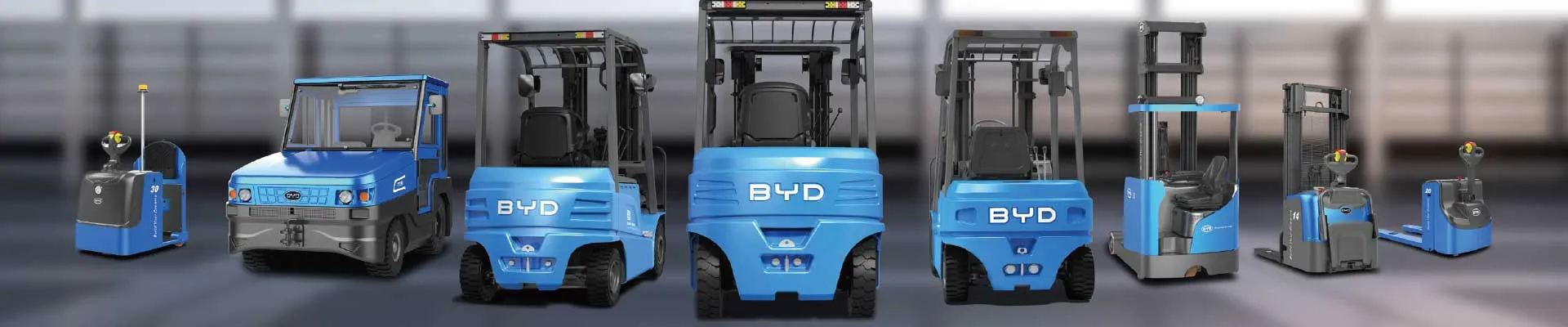
Targeted logistics transformation and upgrading is becoming the core breakthrough point for manufacturing enterprises to break the situation. Many enterprises first start by sorting out the material flow line of the whole workshop, re-planning the full-link process of raw material warehousing and temporary storage, line-side fixed-point replenishment, and finished product offline transfer, and then introduce the electric forklift suitable for working conditions into the operating system as the core transfer equipment. The electric forklift itself has zero emissions and no exhaust gas, and the operation noise is low, which fully meets the requirements of clean production in the workshop. At the same time, the body steering is flexible, the start and stop are smooth, and the travel route can be accurately controlled under small space conditions, which greatly reduces the probability of goods bumping and workshop facilities scratching. Compared with traditional transfer equipment, electric forklifts have a lower operating threshold, allowing operators to take up their posts after simple and standardized training. Daily maintenance is also more convenient, and long-term use can save a lot of operation and maintenance costs.
After the completion of the logistics transformation and configuration of electric forklifts, the workshop transfer efficiency of many manufacturing enterprises has been greatly improved, the single-trip material transfer time has been reduced by nearly 60%, the response speed of the line-side material shortage has increased by more than 70%, the cost of manpower and consumables related to the logistics link can be reduced by about 30% throughout the year, and the occurrence rate of internal transfer safety accidents in the workshop has also been effectively controlled. Many enterprises also customize the forklift scheduling rules in combination with their own production rhythm, and match the line-side material identification system to optimize the operation path of each equipment. Completely bid farewell to the old problems of previous transfer chaos, workstations and other materials, and truly open up the last link of efficient production operation, so as to build a solid logistics foundation for manufacturing enterprises to enhance their overall


