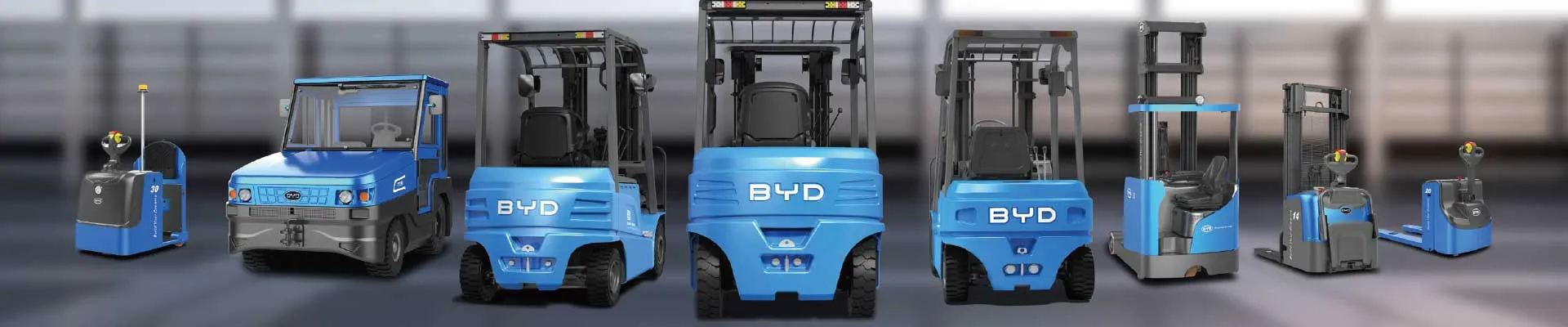
Описание схемы адаптации текстильной промышленности для хранения электрического погрузчика

2026-08-31

Описание схемы адаптации текстильной промышленности для хранения электрического погрузчика(фигура1)

Сценарии работы складов текстильной промышленности значительно отличаются от сценариев обычных быстродвижущихся потребительских товаров и крупномасштабного складирования. Основные материалы, которые хранятся, в основном представляют собой рулоны пряжи, необработанное текстильное сырье, рулонные ткани, готовые изделия для печати и окрашивания и т. д. Такие материалы, как правило, имеют характеристики большого объема, легкое царапание и натяжение поверхности, некоторые высококачественные ткани имеют чрезвычайно высокие требования к чистоте, а сырье и готовая продукция в основном легковоспламеняемы. Чтобы повысить коэффициент использования складских помещений, многие существующие текстильные склады часто планируют узкорасположенные рабочие каналы, а некоторые склады с более ранним сроком строительства имеют определенные ограничения по грузоподъемности и плоскостности. Традиционное погрузочно-разгрузочное оборудование трудно соответствовать потребностям различных сценариев в то же время и подвержено различным проблемам, таким как царапание полок, защемление тканей, выгрузка и обезвреживание готовой продукции.

Учитывая характеристики таких сценариев, план адаптации электрических вилочных погрузчиков должен сначала отрегулировать свойства материала. Для хрупких материалов, таких как рулоны ткани и рулоны пряжи, порог давления зажима соответствующих насадок может быть отрегулирован, а зажимной материал может быть завершен, опираясь на гибкую контактную поверхность, чтобы избежать деформации крючка, вызванной прямым контактом жесткой вилки с тканью. Он также может быть сопоставлен с соответствующим размером подъемных приспособлений в соответствии с общим диаметром и весом погрузочно-разгрузочных материалов, чтобы адаптироваться к погрузочно-разгрузочным потребностям различных партий материалов, снижая частоту ручного прямого контакта с тканью на протяжении всего процесса, а также эффективно снижая вероятность загрязнения материала.

Во-вторых, адаптация и оптимизация пространства для хранения. В соответствии с планировочными характеристиками узких проходов для текстильного складирования, резервные или проходные электрические вилочные погрузчики с компактным размером корпуса предпочтительны для уменьшения радиуса поворота оборудования, чтобы транспортные средства могли гибко проходить в проходе на расстояние около двух метров, не оставляя избыточного поворотного избыточного пространства, и косвенно улучшают эффективную штабелирующую способность складской площади. В то же время, согласно фактическим несущим параметрам площадки для хранения, соответствующий вес модели электрического погрузчика может быть подобран, чтобы избежать дробления и растрескивания старого пола, вызванного избыточным весом кузова, и продлить срок службы площадки для хранения.

Третий - адаптационная конфигурация специальных защитных атрибутов. Во время ежедневной работы текстильного складирования в воздухе будет всплывать большое количество пуха из тонкой пряжи. Если такие легковоспламеняющиеся частицы попадают в зону контура работающего оборудования, легко вызвать короткое замыкание и опасность для пожарной безопасности. В плане адаптации электрический погрузчик может быть оснащен полностью герметичной пыленепроницаемой конструкцией, блокирующей проникновение плавающего пуха во внутреннюю цепь оборудования, что значительно снижает опасность для безопасности. В то же время полностью электрический погрузчик не имеет выбросов выхлопных газов и не будет вызывать масляных и газовых пятен на хранящихся продуктах печати и крашения и высококачественных тканях, что полностью соответствует требованиям контроля чистоты текстильного складирования.

Наконец, адаптационная оптимизация долгосрочных операционных потребностей. Пиковая работа текстильного складирования часто сосредоточена в период, когда сырье централизовано на складировании, а заказы вывозятся со склада в больших количествах. Согласно фактическим расчетным данным среднего ежедневного погрузочно-разгрузочного номера предприятия, конфигурация батареи соответствующей емкости может быть согласована, чтобы сократить время ожидания пополнения в середине пикового периода работы. В то же время логика работы электрических погрузчиков проста и проста в использовании. Обычные складские операторы могут работать независимо после краткосрочного стандартизированного обучения, что может снизить стоимость долгосрочных операций по приобретению талантов предприятий.

В процессе адаптации электрических вилочных погрузчиков к текстильным предприятиям нет необходимости напрямую копировать стандарты выбора общего складского хозяйства. Необходимо комплексно корректировать размеры, такие как фактические условия собственного складского хозяйства, характеристики погрузочно-разгрузочных материалов и среднесуточная нагрузка, чтобы обеспечить безопасность операций и сократить материальные потери. Под предлогом неуклонного повышения эффективности складского оборота.

We use cookie to improve your online experience. By continuing to browse this website, you agree to our use of cookie.

Cookies

Please read our Terms and Conditions and this Policy before accessing or using our Services. If you cannot agree with this Policy or the Terms and Conditions, please do not access or use our Services. If you are located in a jurisdiction outside the European Economic Area, by using our Services, you accept the Terms and Conditions and accept our privacy practices described in this Policy.
We may modify this Policy at any time, without prior notice, and changes may apply to any Personal Information we already hold about you, as well as any new Personal Information collected after the Policy is modified. If we make changes, we will notify you by revising the date at the top of this Policy. We will provide you with advanced notice if we make any material changes to how we collect, use or disclose your Personal Information that impact your rights under this Policy. If you are located in a jurisdiction other than the European Economic Area, the United Kingdom or Switzerland (collectively “European Countries”), your continued access or use of our Services after receiving the notice of changes, constitutes your acknowledgement that you accept the updated Policy. In addition, we may provide you with real time disclosures or additional information about the Personal Information handling practices of specific parts of our Services. Such notices may supplement this Policy or provide you with additional choices about how we process your Personal Information.


Cookies

Cookies are small text files stored on your device when you access most Websites on the internet or open certain emails. Among other things, Cookies allow a Website to recognize your device and remember if you've been to the Website before. Examples of information collected by Cookies include your browser type and the address of the Website from which you arrived at our Website as well as IP address and clickstream behavior (that is the pages you view and the links you click).We use the term cookie to refer to Cookies and technologies that perform a similar function to Cookies (e.g., tags, pixels, web beacons, etc.). Cookies can be read by the originating Website on each subsequent visit and by any other Website that recognizes the cookie. The Website uses Cookies in order to make the Website easier to use, to support a better user experience, including the provision of information and functionality to you, as well as to provide us with information about how the Website is used so that we can make sure it is as up to date, relevant, and error free as we can. Cookies on the Website We use Cookies to personalize your experience when you visit the Site, uniquely identify your computer for security purposes, and enable us and our third-party service providers to serve ads on our behalf across the internet.

We classify Cookies in the following categories:
 ●  Strictly Necessary Cookies
 ●  Performance Cookies
 ●  Functional Cookies
 ●  Targeting Cookies


Cookie List
A cookie is a small piece of data (text file) that a website – when visited by a user – asks your browser to store on your device in order to remember information about you, such as your language preference or login information. Those cookies are set by us and called first-party cookies. We also use third-party cookies – which are cookies from a domain different than the domain of the website you are visiting – for our advertising and marketing efforts. More specifically, we use cookies and other tracking technologies for the following purposes:

Strictly Necessary Cookies
These cookies are necessary for the website to function and cannot be switched off in our systems. They are usually only set in response to actions made by you which amount to a request for services, such as setting your privacy preferences, logging in or filling in forms. You can set your browser to block or alert you about these cookies, but some parts of the site will not then work. These cookies do not store any personally identifiable information.

Functional Cookies
These cookies enable the website to provide enhanced functionality and personalisation. They may be set by us or by third party providers whose services we have added to our pages. If you do not allow these cookies then some or all of these services may not function properly.

Performance Cookies
These cookies allow us to count visits and traffic sources so we can measure and improve the performance of our site. They help us to know which pages are the most and least popular and see how visitors move around the site. All information these cookies collect is aggregated and therefore anonymous. If you do not allow these cookies we will not know when you have visited our site, and will not be able to monitor its performance.

Targeting Cookies
These cookies may be set through our site by our advertising partners. They may be used by those companies to build a profile of your interests and show you relevant adverts on other sites. They do not store directly personal information, but are based on uniquely identifying your browser and internet device. If you do not allow these cookies, you will experience less targeted advertising.

How To Turn Off Cookies
You can choose to restrict or block Cookies through your browser settings at any time. Please note that certain Cookies may be set as soon as you visit the Website, but you can remove them using your browser settings. However, please be aware that restricting or blocking Cookies set on the Website may impact the functionality or performance of the Website or prevent you from using certain services provided through the Website. It will also affect our ability to update the Website to cater for user preferences and improve performance. Cookies within Mobile Applications

We only use Strictly Necessary Cookies on our mobile applications. These Cookies are critical to the functionality of our applications, so if you block or delete these Cookies you may not be able to use the application. These Cookies are not shared with any other application on your mobile device. We never use the Cookies from the mobile application to store personal information about you.

If you have questions or concerns regarding any information in this Privacy Policy, please contact us by email at . You can also contact us via our customer service at our Site.