
 简体中文
 Русский
 Français
 Português
 Español
 لالعربية

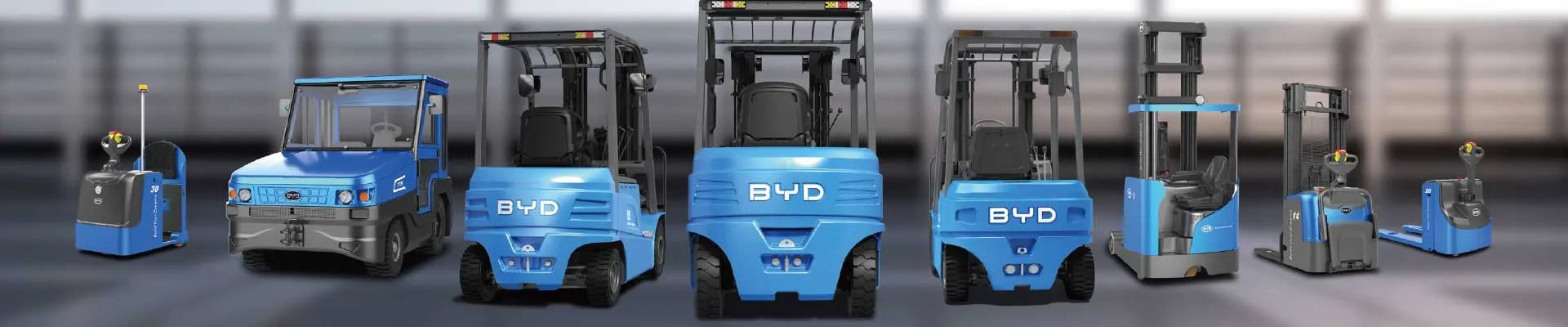

As a mature wool industry cluster in China, a large number of wool production enterprises in the Dalang region enter the centralized production stage every time the season changes, and a large number of yarn raw materials of different materials are put into storage one after another. Multiple batches of new samples are circulated between different process workshops, and the finished products produced are sent to the national and even global cooperation channels in batches. The demand for short-distance transshipment and loading and unloading operations in the factory area will increase significantly in stages.
The daily configuration of forklift equipment in many wool weaving factories can fully cover the needs of the operation under the regular production rhythm, but it is easy to have a capacity gap during the peak production period. If you directly purchase new forklifts, after the slow production rhythm in the off-season, the equipment idle rate will be high, but it will take up additional working capital of the enterprise and increase unnecessary operating costs. Many business owners are looking for flexible capacity solutions with high adaptability.
The seasonal leasing plan of BYD electric forklift launched this time for the seasonal production characteristics of Dalang wool weaving factory is fully in line with the actual operation scenario setting of the wool weaving industry. The leasing cycle can be flexibly adjusted. It can be selected on demand from single-month short-term lease to quarterly long-term lease, which fully matches the seasonal production cycle time of different wool weaving factories. The enterprise does not need to invest a large amount of equipment procurement funds at one time, nor does it have to bear the follow-up equipment annual inspection, routine maintenance and other derivative costs. The supporting operation and maintenance services during the lease cooperation period are followed up by the service party uniformly, saving the enterprise additional Facility Management energy.
This electric forklift is suitable for the scene characteristics of indoor and outdoor mixing operations in the wool weaving factory area. It has zero exhaust emissions during operation, does not cause oil pollution to yarn and wool fabrics, and has low operating noise, which will not interfere with the normal production order inside the workshop. The flexibility of body steering is adapted to the narrow passage traffic needs in the wool weaving workshop. In the face of stacked yarn trays and finished packing trays, the lifting and lowering load performance is smooth, and it can cover the transshipment needs of various conventional materials in the wool weaving factory.
The plan is also equipped with door-to-door docking services. In the early stage, staff will be arranged to go to the factory to survey the width of the transshipment route and the height of the loading and unloading platform. Combined with the estimated peak season transshipment operation volume of the enterprise, the forklift capacity of the corresponding specifications can be matched. Basic operation training can also be provided on demand, so that the operators in the factory can get started quickly and avoid the efficiency loss caused by improper equipment adaptation. After many local wool production enterprises choose this seasonal rental plan, they not only fill the capacity gap during the peak stage, but also do not need to bear additional management costs for subsequent idle equipment. More working capital can be invested in raw material procurement, new product research and development, and order fulfillment, which can help the operation efficiency of the seasonal production cycle to improve steadily.


