
 简体中文
简体中文 Русский
 Français
 Português
 Español
 لالعربية
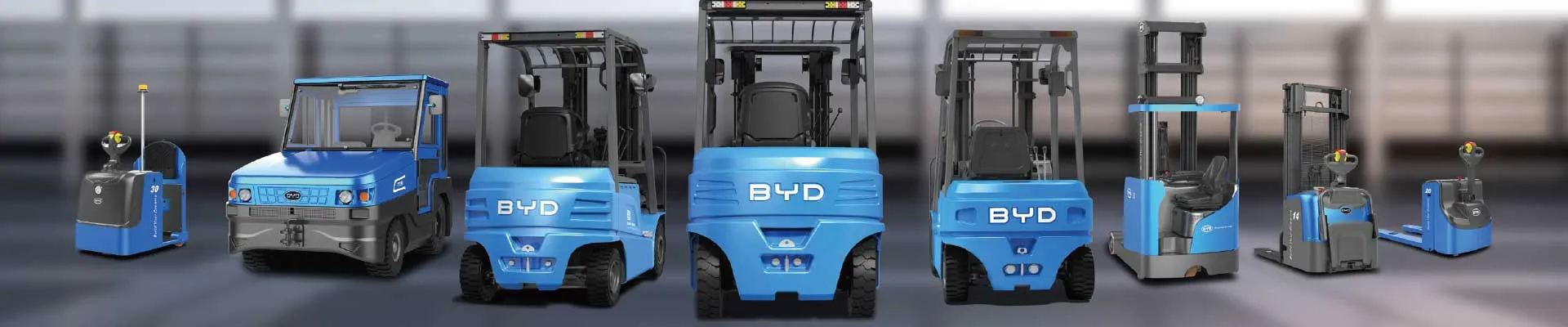
.jpg "Domestic new energy forklift subsidy policy related information(figure1)")
In recent years, the construction of a green and low-carbon transportation system in China has continued to advance. Forklifts, as the core operating equipment in the fields of industrial handling and logistics warehousing, are an important direction for non-road mobile sources to reduce carbon emissions. Relevant authorities at all levels have successively introduced targeted subsidy support policies to promote the orderly replacement of traditional fuel forklifts with zero-emission electric new energy forklifts, and guide the entire handling operation field to transition steadily towards low energy consumption and low emissions.
From the perspective of the overall orientation of the policy, the national level has formulated an overall guidance framework around the carbon reduction target in the industrial sector, encouraged the gradual phasing out and updating of high-emission fuel forklifts in stock, and set corresponding subsidy support directions for the purchase of compliant new energy forklifts and the replacement of scrap fuel forklifts for new energy forklifts. Local authorities will set differentiated subsidy rules based on local industrial structure, logistics distribution scale, and carbon emission reduction task indicators to avoid a one-size-fits-all situation in the implementation of policies and adapt to the actual industrial development needs of different regions.
From the current public application requirements in various places, the main body of the application is generally completed in the local commercial registration, tax credit status is good industrial enterprises, logistics warehousing operation main body, forklift leasing service providers, there is no relevant breach of trust disciplinary records, the purchase of new energy forklifts to comply with the current national standards of electric forklift safety technology, after the completion of the relevant registration process actually put into the factory, storage park and other compliance scenarios to carry out operations, there is no illegal modification, does not meet safety norms.
The forms of subsidies issued in different regions are different, some regions adopt the rules of issuing subsidies according to a certain proportion of the equipment purchase compliance amount, some regions set the maximum upper limit of a single subsidy, and the operating body that completes the replacement of fuel forklifts in batches will set up additional layer subsidies to encourage enterprises to complete the replacement of fuel forklifts and quickly reduce the carbon emission level of non-road mobile sources in the region.
Subjects with relevant application needs should note that before submitting the subsidy application, they need to prepare the purchase certificate, equipment compliance test report, original fuel forklift scrap cancellation certificate and other relevant materials in advance, and submit the application according to the declaration time node announced by the local competent authority. The relevant departments will check the authenticity of the application materials one by one, and if necessary, they will go to the operation site to verify the actual use of the equipment. After confirming that all conditions meet the requirements, the corresponding subsidy funds will be allocated according to the process.
Subsequent equipment update plan market players, can take the initiative to pay attention to the local industry information, ecological environment and other relevant departments of the official publicity information, timely grasp the latest subsidy details, in compliance with the forklift equipment update premise, fully enjoy the benefits brought by the policy, help their own operating costs optimization at the same time, to jointly promote the green and low-carbon transformation of non-road mobile sources.


