
 简体中文
简体中文 Русский
 Français
 Português
 Español
 لالعربية
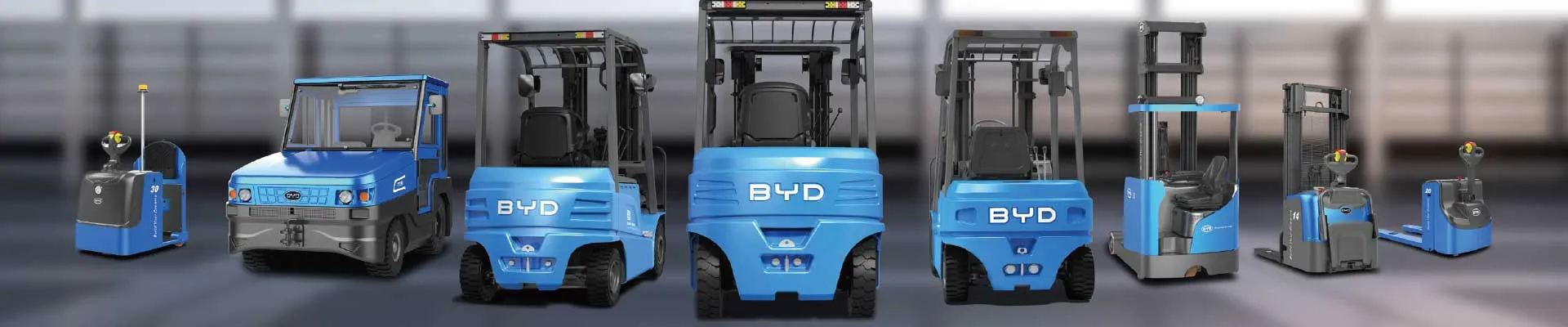
.jpg "Fengxi BYD stable forklift maintenance, hydraulic system regular adjustment service description(figure1)")
In the daily operation system of an electric forklift, the hydraulic system is a key structure that supports the core actions such as gantry lifting and fork tilting. Its operation accuracy directly affects the stability and safety of the forklift operation. Many users only focus on appearance cleaning and replacement of wearing parts on a daily basis. It is easy to ignore the regular adjustment of the hydraulic system, which is prone to various hidden problems over a long period of time, affecting the normal use of the equipment.
This service is suitable for all BYD stable forklifts normally in use in the Fengxi area. Whether the equipment is used for warehousing cargo transfer, factory material handling, or various short-distance loading and unloading scenarios, as long as the accumulated operating time of the hydraulic system reaches the preset maintenance cycle, or the user perceives abnormal performance such as slight jamming, ups and downs in the hydraulic operation in daily operations, he can make an appointment for this professional adjustment service.
Before the start of the operation, the technician will first conduct a comprehensive investigation of the hydraulic working conditions of the whole machine, check the hydraulic oil level and cleanliness status one by one, and sort out the aging and leakage hazards of all connecting pipelines. After that, the working pressure of the system is calibrated according to the standard parameters of the original equipment factory, the opening and closing accuracy of the multi-way valve is fine-tuned, and the running synchronicity of the lifting cylinders on both sides is checked. At the same time, the rebound damping parameters of the tilting device are adjusted to ensure that the whole process of subsequent door frame landing and fork angle adjustment can be maintained smoothly and smoothly.
Adhering to regular hydraulic system adjustment has many practical values for the long-term use of forklifts. First, small hidden dangers in the embryonic state can be detected in advance to avoid the gradual expansion of small problems leading to damage to core components, and the probability of sudden unplanned downtime of equipment can be greatly reduced. The hydraulic system operation response after parameter calibration is more consistent with operating habits, which can reduce the unnecessary swaying of forks and reduce the risk of heavy objects slipping. At the same time, reasonable adjustment can also optimize the operating load of the hydraulic system, reduce unnecessary power loss, prolong the replacement cycle of hydraulic oil, seals and other consumables, and reduce the comprehensive operation and maintenance cost of equipment from a long-term perspective.
All technicians involved in the adjustment service have undergone systematized training on the corresponding equipment, and the operation process strictly follows the standardized operating specifications. After the adjustment is completed, at least three complete lifting and tilting full-process tests will be completed on site to confirm that all operating parameters meet the factory standards before delivering the equipment to the user. At the same time, it will also combine the actual use intensity of the equipment to give the user a reasonable time suggestion for the next adjustment service, and help the user make maintenance plans for the whole cycle of the equipment to ensure the smooth development of various daily loading, unloading and transshipment operations.


