
 简体中文
简体中文 Русский
 Français
 Português
 Español
 لالعربية
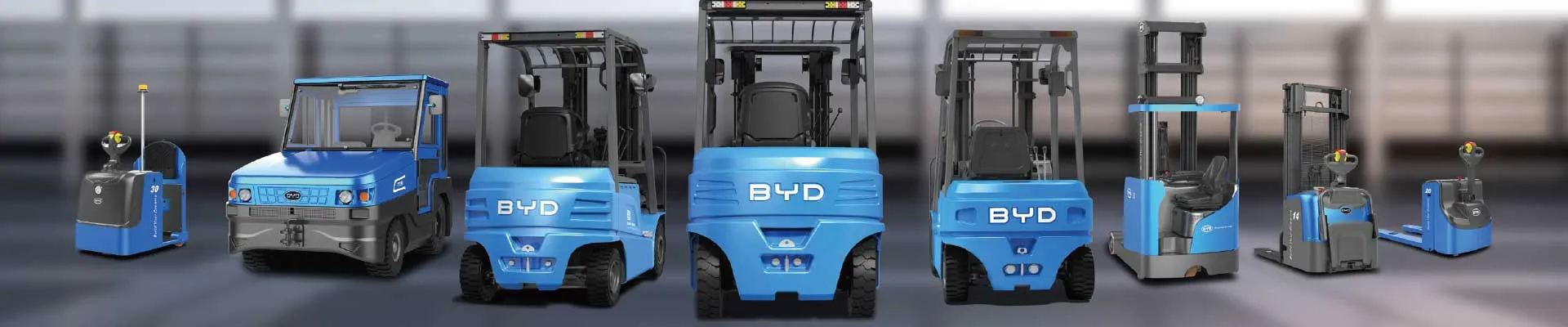

Anbu is a well-known food industry agglomeration area in China. A large number of food production, warehousing and circulation scenarios in the jurisdiction will use electric forklifts that are suitable for hygiene control requirements. The operation and maintenance standards of such forklifts are much higher than those of ordinary industrial forklifts, especially the hygiene-grade parts directly related to food hygiene and safety. Regular maintenance and replacement are an important part of ensuring the compliance of the whole process of food production.
Daily basic maintenance is the prerequisite for the stable operation of sanitary components. After each operation, the operation and maintenance personnel should fully wipe and clean the sanitary coated surface of the forklift in direct contact with the goods and storage pallets, and clean the residual food debris and juice in the gaps in time to avoid long-term residual breeding of microorganisms. During the daily inspection process, the appearance status of each sanitary component should be checked one by one, and the slight warping and wear marks should be pretreated in time to avoid the expansion of small hidden dangers into problems affecting hygiene and safety.
For sanitary components with different functions, the replacement cycle can be flexibly adjusted with reference to the actual operating intensity of the scene. The first is the fork sanitary protective cover that directly contacts food packaging and transit containers. Under normal working conditions with an average daily operating time of less than 4 hours, it is recommended to do a comprehensive inspection every 6 months. If the operation frequency is high and the average daily operating time exceeds 8 hours, the detection cycle can be shortened to 3 months. Once the protective cover is found to have holes and osmotic deformation, it should be replaced as soon as possible to prevent the contaminants from directly contacting food-related goods.
Secondly, the sanitary seals supporting the lift power unit of the forklift truck operate in a high-humidity, high-food volatile environment for a long time. The regular replacement cycle is recommended to be controlled within 12 months. Periodically dismantle and check the aging degree of the seals to avoid the risk of medium leakage after the seal fails, and prevent the source of pollution from entering the food production and storage area.
In addition, the food-grade anti-skid protective layer on the operating handrails and foot pedals of forklifts belongs to the high-frequency contact parts of man and machine, and is prone to foreign stains every day. It is recommended to conduct an overall condition assessment every 9 months. If the surface layer falls off and stubborn mildew residues cannot be thoroughly cleaned, it is necessary to replace it in time to avoid cross-contamination hazards.
All replacement operations of sanitary parts should be carried out with the same specifications that meet the relevant specifications for food contact. The replacement operation should be arranged during the non-food production period as much as possible. After the operation is completed, the whole vehicle should be fully disinfected, sterilized and cleaned to confirm that there are no foreign debris residues before it can be put back into use in the production scene. Local food companies can also incorporate the replacement records of forklift sanitary parts into the overall safety production ledger, and cooperate with daily inspection and maintenance, which can not only reasonably extend the overall service life of the forklift, but also fully meet the hygiene control requirements of the food industry.


