
 简体中文
简体中文 Русский
 Français
 Português
 Español
 لالعربية
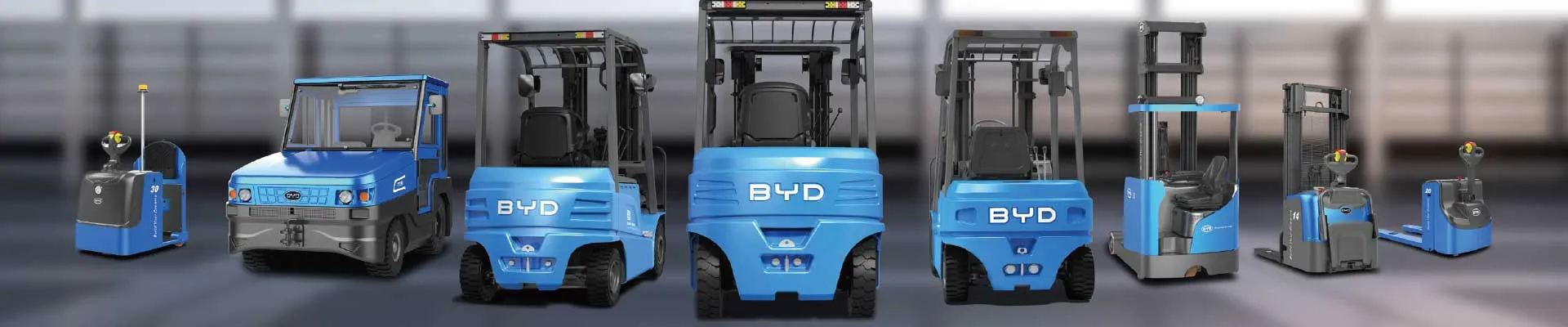
.jpg "Caitang BYD standard forklift after-sales, routine failure on-site maintenance service reference(figure1)")
In the Caitang area, users who are engaged in warehousing and goods transshipment related operations, if the BYD standard forklift used in daily high-frequency use has a routine failure, they do not need to disassemble the equipment themselves or transfer vehicles over long distances. They can book corresponding after-sales on-site maintenance services and complete fault investigation and repair at the operation point to minimize the impact of the failure on daily operations.
At present, the conventional fault categories covered by this type of door-to-door after-sales service are mainly divided into three categories. The first category is the fault related to the walking system, such as the vehicle cannot start normally after being powered on, the driving speed is abnormally slowed, and the steering operation card is a common problem. After the after-sales engineer comes to the door, he will first conduct a safety pre-inspection of the whole machine, check the battery wiring connection status, motor operating parameters, and the loss of steering transmission components. After confirming the fault point, he will synchronize the maintenance plan with the user, and will not replace non-loss parts at will. The second type is the lifting system related faults, such as the fork cannot be lifted normally, automatically falling after lifting to the specified height, and the feedback failure of the lifting lever. The staff will check and investigate the hydraulic oil circuit, seals, and operation sensing modules one by one, and adjust the parameters according to the original factory specifications to ensure that the operating status of the equipment after maintenance meets the requirements. The third type is the small faults of the battery and electronic control, such as the conventional error report of the instrument, abnormal power display, and poor docking of the charging port. The door-to-door service also covers the corresponding investigation and maintenance. The original circuit structure of the vehicle will not be changed without permission throughout the process, ensuring that the original use attributes of the equipment are not affected.
The overall process of routine fault door-to-door service is clear and standardized. After the user submits the fault reservation information, the service network will first arrange for the staff to do online preliminary communication, confirm the fault performance and the specific location of the vehicle, determine whether it belongs to the category of routine faults, prepare the basic adaptation accessories that may be used in advance, and then confirm with the user the convenient door-to-door time period for both parties. After the engineer arrives at the scene, he will first take safety protection measures around the operation area, and then carry out maintenance operations according to the standard process. After the maintenance is completed, he will test the operation status of the whole process of the vehicle on site, confirm that the fault is completely eliminated, and then finish. At the same time, he will also explain the corresponding daily use precautions to the on-site operators to help everyone develop better equipment usage habits and reduce the probability of subsequent
In the process of daily use of forklifts, you can also regularly conduct basic inspections of the appearance and core components to avoid malfunctioning operation. If you encounter an abnormal situation that you cannot determine the cause, you should contact regular after-sales channels to make an appointment for relevant services as soon as possible. Do not disassemble the core components without permission to avoid affecting the normal maintenance rights and interests of the vehicle.


