
 简体中文
 Русский
 Français
 Português
 Español
 لالعربية

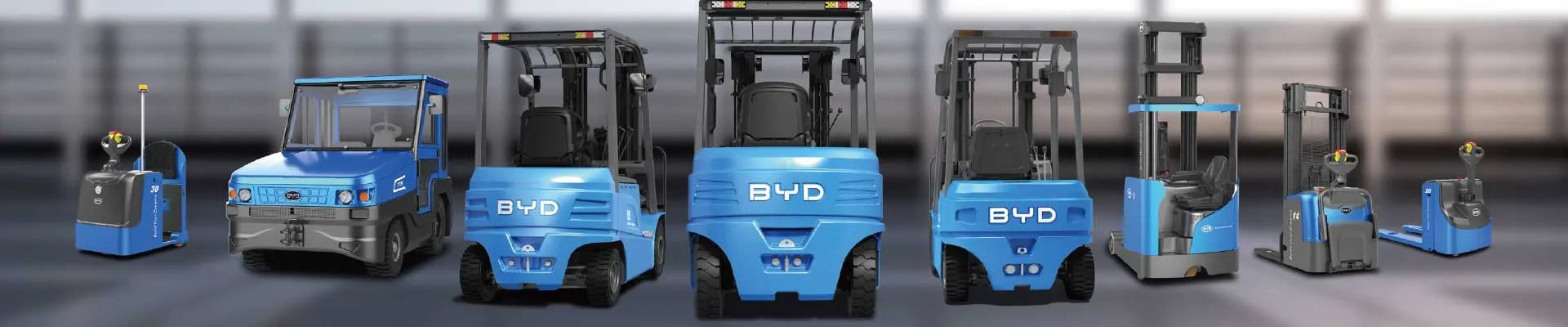

For warehousing operators with a large number of electric forklifts in the Humen area, doing a good job in standardized maintenance of vehicles is the core link to ensure smooth daily inbound and outbound warehousing operations and reduce long-term use costs. In particular, high-frequency warehousing special electric forklifts generally have large loads, relatively fixed running paths, and easy to mix cargo debris and packaging debris in the working environment. Reasonable setting of maintenance cycles can effectively avoid sudden failures affecting warehousing circulation efficiency.
The first is the daily maintenance requirements of the basic level, which belong to the inspection content that must be completed before and after the daily operation. Before the operation, the relevant operators must confirm that the power system is sufficient, the braking sensitivity is up to standard, the fork lifting mechanism is running smoothly, and each warning device can be triggered normally. After the operation, clean up the cargo debris and dust stains attached to the body in time, park the vehicle in the designated charging area and let it stand, and make basic records. This kind of daily inspection takes a short time, but it can detect most of the obvious hidden dangers in time, which is the foundation of all maintenance processes.
Next is the weekly maintenance content. Every time the vehicle runs for a full week, it is necessary to arrange a special person to check the walking wheel and load-bearing wheel for foreign objects, clean up the wrapping tape, scraps of paper and other debris in the gap of the axle, and check whether the hydraulic oil level is in the standard range. Make sure that all the operation buttons of the vehicle can respond normally to eliminate the operation risk caused by the small parts card.
It is recommended to arrange professional operation and maintenance personnel to complete the monthly maintenance, dust and tighten the interface of the vehicle's power electronic control system, check the wear allowance of the brake friction plate, adjust the tension of the fork chain, and conduct functional tests on the side limit device and fork tilt adjustment structure unique to the storage special model to avoid damage to the core components by non-professional operation, and ensure the stability of vehicle operation.
The annual in-depth maintenance is to conduct a comprehensive performance test of the core power components of the vehicle every accumulated year of operation, replace the hydraulic oil and special lubricating grease that have reached the service life, calibrate the operating parameters, and check the hidden line aging problem. The vehicle usage intensity of different storage scenarios varies. For example, the high-throughput storage park with an average daily operating time of more than 8 hours can appropriately shorten the corresponding maintenance cycle according to the actual situation. If abnormal noise and power attenuation are encountered, timely contact with professionals to check can keep the vehicle in good operating condition for a long time, and provide support for the smooth development of storage operations.


