
 简体中文
简体中文 Русский
 Français
 Português
 Español
 لالعربية
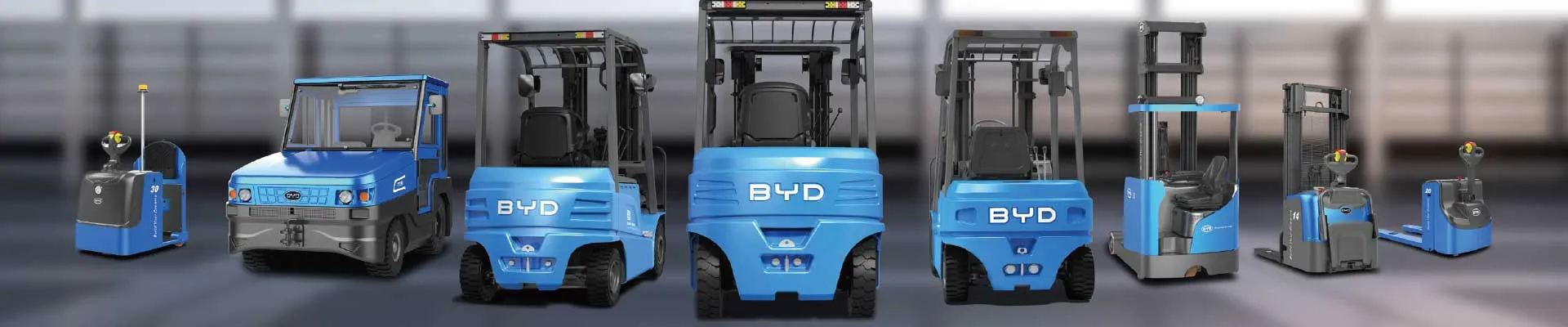

Foshan Shishan Industrial Park gathers a large number of project-oriented manufacturing plants, and many factories will encounter temporary handling needs in stages, such as the transfer of goods during the centralized delivery period of the project, the transfer of materials during the preparation stage of the new workshop, the stacking operation of the temporary large-scale storage point, and the replenishment of transportation capacity during the peak of short-term orders. This type of vehicle demand is often short-term and fluctuates greatly in transportation capacity. The direct purchase of forklifts will not only consume a large amount of working capital, but also bear additional costs such as maintenance, annual inspection, and storage. It is not cost-effective.
The BYD electric forklift temporary leasing scheme launched this time is designed for such short-term vehicle pain points in Shishan's local project factory. The scheme does not set mandatory long-term lease constraints. The factory can choose the corresponding lease period according to its actual project cycle, which can be flexibly adapted for as short as a few days or as long as several months, fully matching the cycle attributes of project-type operations.
All BYD electric forklifts put into leasing use are completed according to the specifications of regular maintenance and testing, the vehicle working condition is stable, and the attribute of zero exhaust emissions also fully meets the environmental management requirements of Shishan Industrial Park. It can be adapted to a variety of common operation scenarios such as pallet transfer, high-level stacking, and short-distance transfer of heavy goods in the factory area. During the leasing period, there is also an exclusive docking personnel follow-up service. If there is an abnormal situation during the use of the vehicle, personnel can be quickly arranged for door-to-door disposal. There is no need for the factory to configure a professional forklift operation and maintenance team, saving additional labor cost investment.
The plan also supports the factory to flexibly adjust the number of leased forklifts according to the amount of work at different stages. During the peak stage of orders, the leasing capacity can be temporarily added. After the amount of work falls, the leasing scale can be reduced, helping the factory control the cost of vehicles in the temporary handling process within a reasonable range. At the same time, it will also provide basic operation guidance training for the operators in the factory area to help the relevant personnel quickly familiarize themselves with the vehicle operation specifications, ensure the smooth and orderly progress of the handling operation, and do not need to spend a lot of time in special project training to help the short-term handling operations of various project-type factories land efficiently.


