
 简体中文
简体中文 Русский
 Français
 Português
 Español
 لالعربية
.jpg "The impact of manufacturing green factory certification on forklift truck selection(figure1)")
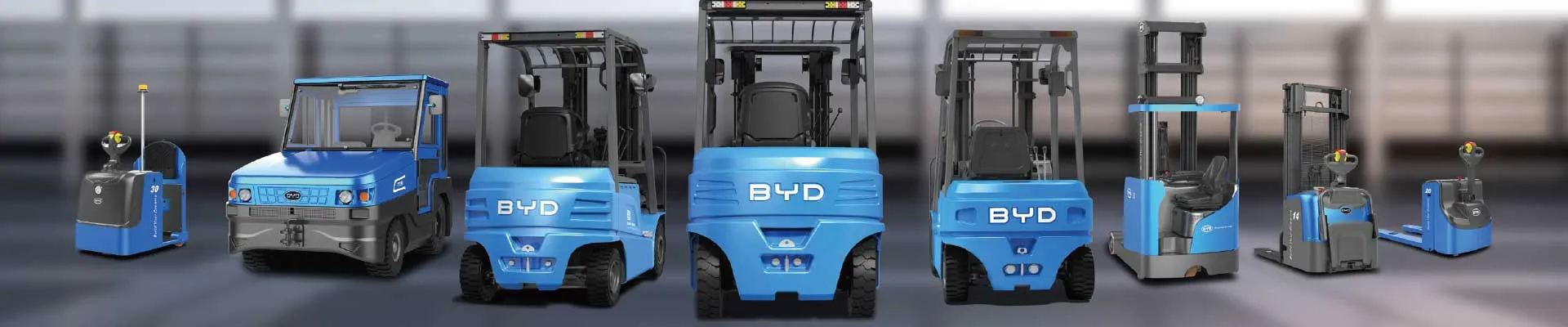
With the continuous advancement of the green transformation process of the domestic manufacturing industry, the coverage of green factory certification is constantly expanding. In the process of preparing for certification, many manufacturing enterprises have gradually realized that the relevant indicators of material handling equipment in the field have been included in the core assessment category of certification evaluation. Among them, forklifts, as the most frequently used mobile operating equipment in the factory, have undergone very clear changes in their selection logic compared with the traditional judgment criteria of only referring to load demand and procurement cost.
The first is the rigid selection orientation brought by emission indicators. In the past, some enterprises may have used internal combustion-driven forklifts to carry out on-site operations, which would generate exhaust emissions during operation. However, in the relevant evaluation system of green factory certification, clear limit requirements are set for the emission of pollutants from mobile sources in the factory area. In the vast majority of operation scenarios that meet the certification orientation, zero-tail electric drive models are preferred to avoid pollutant emissions during operation from the source, and also reduce the relevant supporting investment in exhaust treatment and ventilation transformation in the factory area.
The second is the upgrade of the selection standards brought about by the energy consumption accounting requirements. Green factory certification requires statistics on the energy consumption per unit output value of the whole plant, and the annual power consumption of mobile operating equipment such as forklifts will also be included in the overall energy consumption ledger for unified accounting. Therefore, in the selection process, we should not only pay attention to the initial purchase cost of the equipment, but also focus on the energy conversion efficiency of the equipment, the battery life after a single full charge, and the energy consumption level of the supporting charging facilities. We should choose products with better energy consumption performance as much as possible to help the overall energy consumption index of the factory reach the standard smoothly.
The evaluation scope of green factory certification covers the whole process of production-related equipment from procurement to scrapping. Therefore, when selecting a forklift, attention should also be paid to whether the structural design of the equipment is convenient for subsequent parts classification and recycling, whether the power module uses recyclable environmentally friendly materials, and whether difficult-to-dispose of waste materials will be generated during the later operation and maintenance process to avoid additional environmentally friendly disposal costs during the equipment scrapping stage.
After many manufacturing companies adjusted the forklift selection logic in time, they not only successfully met the relevant requirements of green factory certification, but also harvested lower operation and maintenance costs, a quieter factory operating environment, and reduced additional investment related to pollutant emissions in the long-term operation process. It is recommended that manufacturing companies with certification preparation plans carry out the relevant evaluation of forklift selection in advance in the project planning stage to avoid replacing equipment after completing the plant layout later, resulting in unnecessary cost waste.


