
 简体中文
简体中文 Русский
 Français
 Português
 Español
 لالعربية
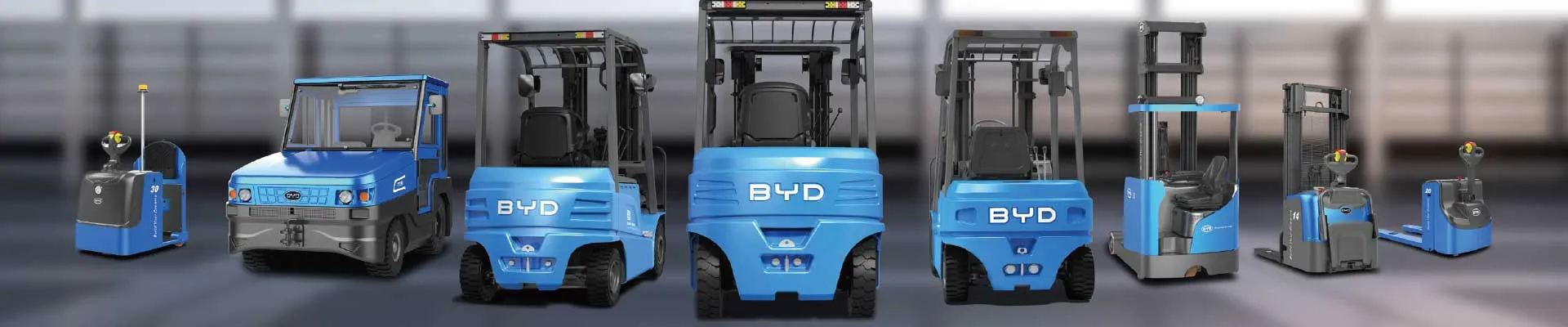
.jpg "Mayong grain and oil processing workshop, BYD food-grade forklift raw material transfer operation plan(figure1)")
The hygiene control requirements of grain and oil processing scenes are strict, and a large number of grain and oil processing and production entities are gathered locally in Mayong, and the bulk raw material transfer links in the workshop are generally prone to oil leakage from the transfer equipment, exhaust emissions affect cleanliness, and the transfer path is not standardized. It is easy to cause cross-contamination and other issues, which are directly related to the compliance of food production.
The BYD food-grade forklift raw material transfer operation plan launched this time fully meets the special control standards of the grain and oil processing workshop. The outer coating of the equipment body is made of materials that meet the relevant specifications for food contact. The power system has no risk of oil leakage throughout the process, and zero exhaust emissions during driving. This avoids the pollution hazards of traditional transfer equipment from the root of the equipment.
In the actual operation process setting, the plan first clarified the pre-operation verification rules: before each start of the transfer task, the operator needs to fully wipe, disinfect and sterilize all the parts of the forklift that may come into contact with the operation area, and confirm that the fuselage has no dust accumulation, no exposed attachments, and meets the access requirements of the food production workshop before starting the operation. Secondly, combined with the actual layout of the raw material temporary storage warehouse, pretreatment area, and production feeding port of the Mayong grain and oil processing workshop, the exclusive forklift transfer channel is delineated. The channel avoids high-clean areas such as the finished product sub-packaging area and the net material temporary storage area throughout the process, and at the same time clarifies the speed limit requirements in the channel to avoid the problems of damage to the raw material packaging and unnecessary dust dispersion caused by driving too fast. Finally, the requirements for loading, unloading and subsequent parking are standardized: the forklift lifts the raw material pallets at a uniform speed, and adapts the corresponding counterweight parameters to the grain and oil raw material pallets of different weights in advance to avoid the leakage of goods during the operation. After the single transfer task is completed, the vehicle needs to be parked in the exclusive disinfection and sterilization parking area designated by the workshop for subsequent surface cleaning and maintenance.
After the implementation of the whole package, it can not only meet the food-grade hygiene control requirements of the grain and oil processing workshop, but also effectively improve the transfer efficiency of bulk grain and oil raw materials, reduce the labor intensity of front-line operators, and fully adapt to the daily production rhythm of the local grain and oil industry in Mayong. In the future, it can also be combined with the actual production scheduling needs of the workshop to flexibly adjust the operation frequency and staffing of forklifts to further optimize the smoothness of the overall transfer process.


