
 简体中文
简体中文 Русский
 Français
 Português
 Español
 لالعربية
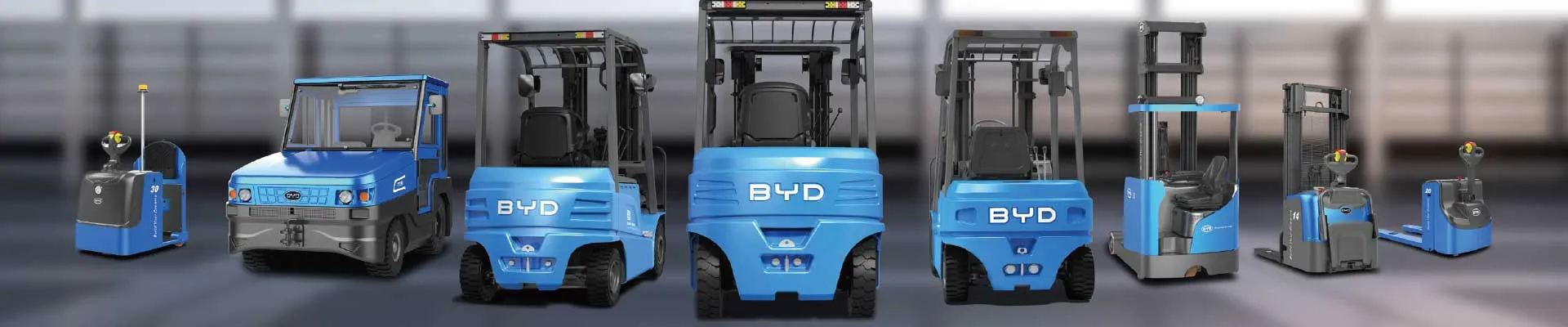

With the popularity of electric forklifts in warehousing logistics and factory transshipment scenarios, the charging link is a high-frequency daily operation, and its compliance is directly related to operational safety and equipment service life. Many electrical fires and equipment damage problems in factories are directly related to non-standard charging operations. Implementing standardized charging safety management is a core link that cannot be ignored in the operation and maintenance of industrial vehicles.
The first is the pre-safety specification before charging. Operators need to park the electric forklift to be charged in the dedicated charging area designated by the factory. It is strictly forbidden to park the vehicle in the cargo stacking area, the main road of the operation, and the crowded channel for charging. The surrounding area of the charging area should be emptied of flammable and explosive debris to ensure that the ventilation conditions in the space meet the requirements. After the vehicle stops, pull up the handbrake and turn off the power supply of the whole vehicle. First check whether there are bulging, leakage, and deformation problems in the battery shell. At the same time, check whether there are any traces of damage or loosening at the external power cable and interface of the charging equipment to prevent the charging process from starting with a fault.
Secondly, the operation precautions during the charging process. When plugging in the charging gun, align it with the interface card slot and insert it smoothly to avoid damage to the internal touchpoint caused by brute force shaking and prying the interface. During the charging operation, do not open the battery protective cover at will, and do not cover the charging equipment and battery shell with tarps or tooling to avoid abnormal temperature caused by poor heat dissipation. Operators should regularly inspect the charging status. Once they detect abnormal burnt smell or abnormal noise in the charging area, disconnect the main power supply for investigation as soon as possible. It is strictly forbidden to use open flames, smoke, and do not place metal tools such as wrenches on the top of the battery to prevent positive and negative short circuits.
Finally, there are the finishing management requirements after the charging is completed. After the charging process is over, first disconnect the main power switch on the power supply side, then pull out the charging gun and set it to the designated position. Do not drag or press the charging cable at will to avoid damage to the insulation layer. The operator also needs to verify whether the surface temperature of the battery is in the normal range, record the relevant status data of the current charge synchronously, and conduct regular inspections of the fire protection facilities in the charging area. All personnel involved in the charging operation must go through special project Security Training. It is strictly forbidden for unrelated personnel to touch the charging equipment at will.
Long-term strict implementation of various charging safety standards can not only effectively avoid various safety hazards, but also reduce the loss rate of electric forklift batteries, reduce the overall operation and maintenance costs of industrial vehicles in the factory, and build a strong safety line for daily transshipment operations.


