
 简体中文
简体中文 Русский
 Français
 Português
 Español
 لالعربية
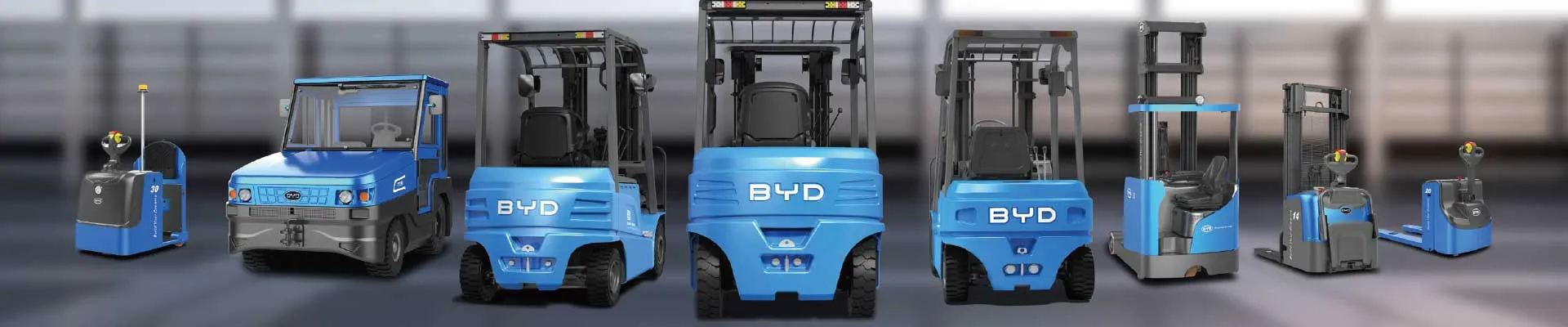

Humen, as a mature garment industry cluster in China, requires a large number of garment production enterprises to complete cross-regional transfer operations of large quantities of rolled fabrics and pre-cut fabrics every day. The traditional manual cart transfer method is not only inefficient, but also prone to fabric wrinkles, stains, and loss. After many enterprises introduce electric forklifts to undertake core transfer tasks, they need to establish a standardized operation process to match the workshop scene in order to give full play to the actual value of the equipment and adapt to the daily production rhythm.
Before the operation starts, the relevant personnel need to confirm in advance that the power status, braking system, and steering system of the electric forklift are all in the normal operation range, and at the same time sort out the category, approximate weight, stacking position, and target delivery cutting station of the fabric to be transferred on the same day, and check in advance whether there are scattered fabrics and sundries on the transfer path. For high-end fabrics that need to be transferred, soft protective pads can be laid at the position where the fork contacts the tray in advance to avoid the problem of stringing and staining the fabric during the transfer process. The floor of the cutting workshop is mostly flat and hard. Before operation, it is necessary to confirm that there is no water or oil left on the ground to avoid the risk of slipping during driving. At the same time, check the total weight of the transshipment fabric and confirm that it is within the rated load range of the equipment to prevent overloading.
When officially carrying out the transfer operation, after starting the electric forklift, keep driving at a low speed and smoothly. When passing through the crowded area of the cutting station, sound the prompt tone in advance to maintain a safe distance from the surrounding workers. When lifting the fork to lift the fabric tray, extend the fork completely under the load-bearing area of the tray. After confirming that the lift is stable, lift the fork to a suitable height from the ground and then start driving. During the driving process, it is strictly forbidden to accelerate and turn sharply to avoid the fabric slipping from the tray. After transporting to the designated cutting station, put down the fork smoothly, confirm that the fabric tray is placed firmly, and there will be no dumping and skewing. After that, slowly pull out the fork to avoid scratching other cutting pieces and production equipment placed around.
After all the transshipment operations are completed on the same day, the electric forklift should be parked in the designated parking area of the workshop, the power supply should be turned off for daily dust protection, and the frequency of transshipment operations and the operating status of the equipment should be recorded synchronously on the same day. In response to the problems of path congestion and unreasonable fabric stacking found during the operation, timely feedback and optimization should be given to the workshop management team to gradually build an electric forklift transshipment system that is more suitable for the actual needs of the cutting workshop. Under the premise of ensuring the safety of the operation and the integrity of the fabric, the material circulation efficiency of the entire cutting process should be effectively improved, and the daily orderly operation of the clothing production workshop should be assisted.


