
 简体中文
简体中文 Русский
 Français
 Português
 Español
 لالعربية
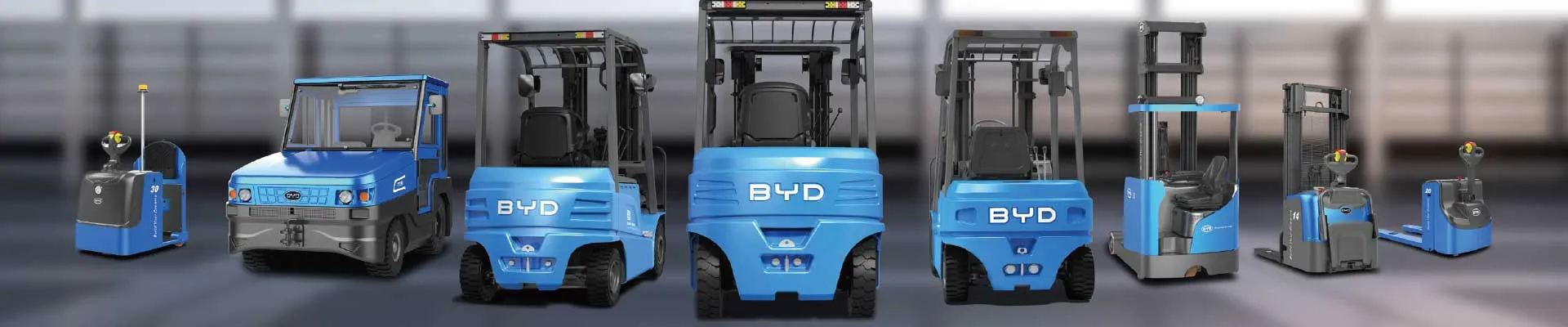
.jpg "Pay attention to the cost of using electric forklifts, and analyze the operating advantages of lithium-ion versions(figure1)")
At present, many manufacturing, warehousing, logistics, and trade and distribution enterprises often pay too much attention to the initial purchase price of electric forklifts when purchasing on-site handling equipment, but ignore the long-term use cost of the whole life cycle, which ultimately results in unnecessary waste of expenses. Traditional lead-acid version of electric forklifts require a lot of time to replenish water and do balanced maintenance on a daily basis, with a long charging waiting period. The battery decays quickly under long-term use, and the subsequent replacement cost is high. Moreover, the battery life is greatly affected by the ambient temperature. The problem of fast power failure often occurs in low temperature scenarios in winter, which directly slows down the overall efficiency of on-site handling.
The lithium-ion version of the electric forklift, first of all, saves the cumbersome acid care and regular water replenishment maintenance steps in daily use, and does not need to arrange special personnel to handle charging-related affairs. A single device can save hundreds of hours of maintenance time every year. Secondly, the energy density of the lithium-ion forklift is higher, and the cruising range is more than 30% higher than that of the conventional lead-acid model under the same load specification. It supports fast charging and temporary replenishment modes, and is fully suitable for the high-intensity continuous operation scene of two shifts and three shifts. There is no need to worry about charging and waiting to delay the work progress.
Calculated from the long-term life cycle dimension, the battery cycle life of lithium-ion forklifts is 3 to 5 times that of ordinary lead-acid batteries. There is no need to replace the battery frequently during the whole life cycle, and the annual battery use cost is less than half of the lead-acid model. In addition, the power conversion efficiency of lithium-ion forklifts is higher, and the power consumption for completing the same amount of work is about 20% lower than that of lead-acid models. The long-term accumulated electricity cost is also very considerable. After accounting for the full cycle use account, many users will find that although the initial purchase price of lithium-ion electric forklifts is slightly higher, the premium can be recovered through the saved maintenance, electricity, and labor costs in 2 to 3 years. The subsequent use cost is extremely low. For enterprises with large on-site handling needs, it is a cost-effective choice that far exceeds expectations. When selecting on-site handling equipment, enterprises must take into account the full-cycle cost of use, maintenance costs, and operating efficiency benefits in order to select the equipment that best meets their own needs and truly achieve cost reduction and efficiency in the handling process.


