
 简体中文
简体中文 Русский
 Français
 Português
 Español
 لالعربية
.jpg "Factory forklift driving safety management specification reference(figure1)")
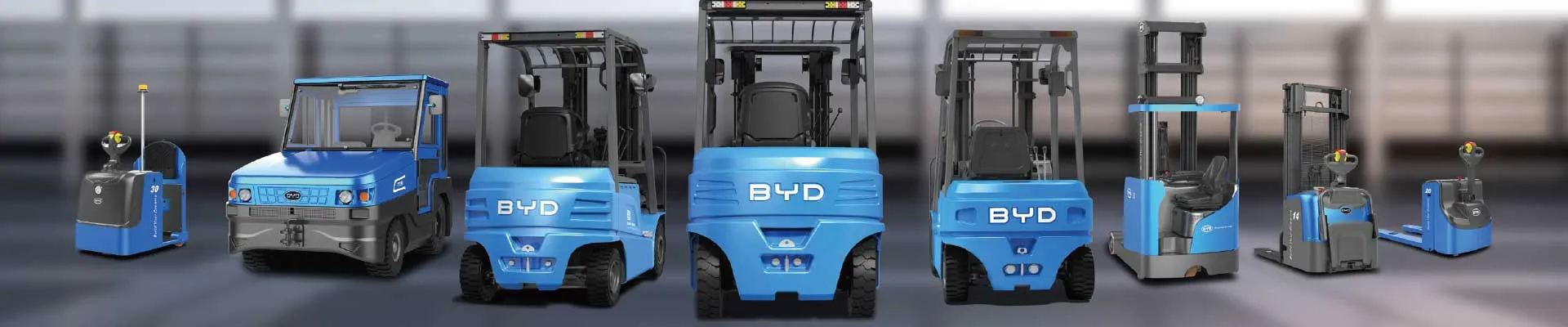
The electric forklift in the factory area is the core supporting equipment for the transfer of production materials. The daily operation frequency is high, and the traffic covers multiple complex scenarios such as warehouse entrances and exits, production workshop passages, loading and unloading areas, etc. If safety control is absent, it is easy to cause safety accidents such as collisions, scratches, and material slippage. To establish a systematic forklift driving safety management standard is one of the core links of factory safety production management.
First of all, it is necessary to implement the basic access management of forklift operations. All forklift drivers must complete the safety operation training of the system. After passing the assessment, they can work on the job. It is strictly forbidden for personnel who have not obtained the operation qualification to start and drive the forklift at will. Drivers should confirm that they are in good mental state before going to work every day. It is strictly forbidden to participate in the operation after drinking, fatigue or taking drugs that affect the reaction ability. Before starting the vehicle every day, check the performance status of the forklift's braking system, steering system, warning lights, and anti-collision buffer components one by one. After confirming that there is no hidden danger of failure, they can drive the vehicle into the operation area.
Secondly, it is necessary to improve the traffic control of the driving scene in the factory area. The enterprise should plan a clear forklift exclusive traffic channel in advance, spray or set up clear speed limit signs, avoidance signs, and warning signs along the channel. The speed of the forklift on the regular open road section needs to meet the safety requirements of the factory area. In the densely populated production operation area, warehouse entrance and exit, and the blind spot position, the speed limit should be further lowered. Drivers should sound the alarm in advance when passing through such areas to confirm that there are no pedestrians or materials in the field of vision and then pass slowly. Unless there are special operating requirements, forklifts are not allowed to enter the pedestrian passages and living and office areas where people are concentrated. All blind spots with obstructed vision must be equipped with reflective warning mirrors and sound and light prompting devices to eliminate potential safety hazards caused by blind spots.
In addition, it is necessary to clarify the operating behavior constraints of forklifts. It is strictly forbidden to carry people illegally during the daily driving of forklifts. It is strictly forbidden to drive at high speed when the fork is lifted too high. When transporting heavy-duty materials, keep the fork at a low position, and keep the center of gravity of the material as close to the body as possible to avoid material slippage or vehicle rollover during driving. When driving in the same direction, two vehicles should maintain a sufficient safe following distance. It is strictly forbidden to follow the car at close range, drive side by side, and overtake at will. When turning, slow down in advance. Turn on the steering warning light to confirm the safety of the surrounding environment before completing the steering operation. When encountering pedestrians during driving, stop and avoid them as soon as possible, and do not continue to honk After the daily operation, park the forklift in the designated exclusive parking area, pull up the handbrake, lower the fork completely, turn off the power supply of the whole vehicle, and do not park the forklift at will in fire exits, entrances, ramps, etc. that are prone to hidden dangers.
Enterprises should also establish a normalized inspection and verification mechanism, randomly check the operation compliance of forklift drivers from time to time, organize regular retraining on safety topics, fill management loopholes in a timely manner, and build a safety defense line for forklift driving in the factory in an all-round way.


