
 简体中文
简体中文 Русский
 Français
 Português
 Español
 لالعربية
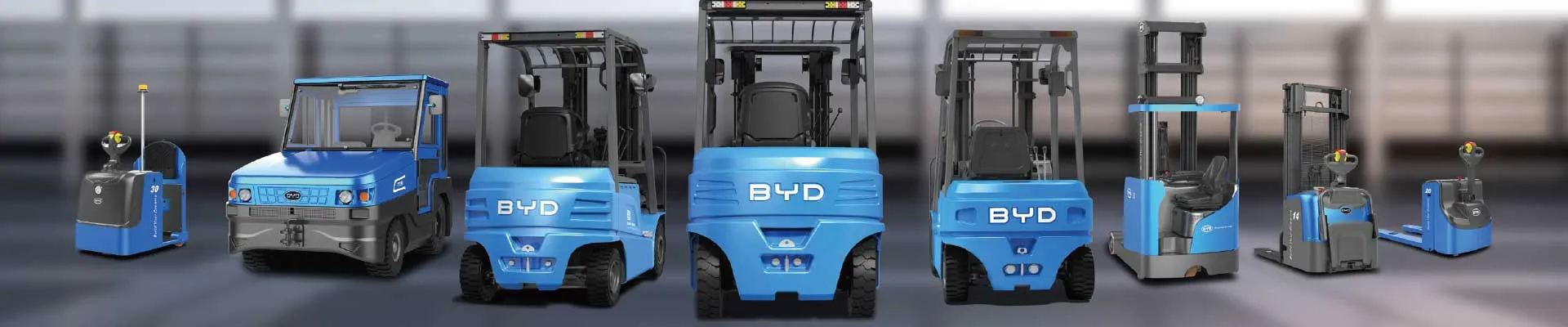
.jpg "Forklift leasing and procurement model cost comparison and applicable scenarios(figure1)")
At present, the demand for on-site handling equipment in various warehousing, logistics, and manufacturing scenarios continues to increase. Electric forklifts, as the core handling equipment with a high utilization rate, many operation managers will fall into the dilemma of leasing or purchasing independently during the equipment configuration stage. Many decisions only refer to surface quotations, which easily overlooks the hidden cost differences of the whole cycle, ultimately resulting in unnecessary waste of resources.
From the perspective of full-cycle cost, the expenditure of the independent procurement model not only includes the payment for the first purchase, but also the related expenditure of annual inspection, regular maintenance, and replacement of worn parts. The natural loss of equipment during idle period, the value decay caused by technical iteration, and the consumption of manpower and material resources for disposal of residual value after use expire are all hidden costs of the procurement model. If the average daily utilization rate of forklifts in the site is low and most of the time is in a parked state, the proportion of invalid losses of assets will be significantly magnified. The cost of the leasing model is mostly based on the actual usage time or the amount of work, without the need to pay a large sum of money for the purchase of the machine at one time. Most of the conventional maintenance and testing services can be included in the leasing supporting service system, and the enterprise does not need to arrange additional personnel to connect the equipment operation and maintenance work. When the equipment is idle in the off-season, it can also be flexibly returned or suspended for billing, which greatly reduces the cost of inefficiency.
The two types of models are suitable for different operating scenarios. The independent procurement model is more suitable for the main body with long-term fixed operation process, forklift daily use time exceeding six hours, overall operation planning cycle exceeding three years, and long-term stable storage site. If the enterprise itself has a mature equipment operation and maintenance team configuration, the comprehensive cost of the long-term flat procurement model will be more controllable, and the asset ownership itself can also support the flexible deployment between different operation areas. The leasing model is more suitable for temporary handling needs brought about by short-term project operations and phased production capacity increases, such as temporary warehouse expansion due to quarterly promotion, new transit site operations for which the project cycle is not yet clear, or start-up business entities with high capital flow pressure and no dedicated operation and maintenance team can flexibly adjust the amount of equipment investment according to real-time operation needs to avoid the problem of idle resources.
Before making a final decision, it is recommended that enterprises first sort out their core elements such as operating hours, operating cycles, cash flow reserves, and operation and maintenance capabilities, comprehensively calculate the full-cycle investment of the two models, and choose a plan that suits their actual situation. This can achieve reasonable control of operating costs while ensuring the efficiency of on-site handling.


