
 简体中文
简体中文 Русский
 Français
 Português
 Español
 لالعربية
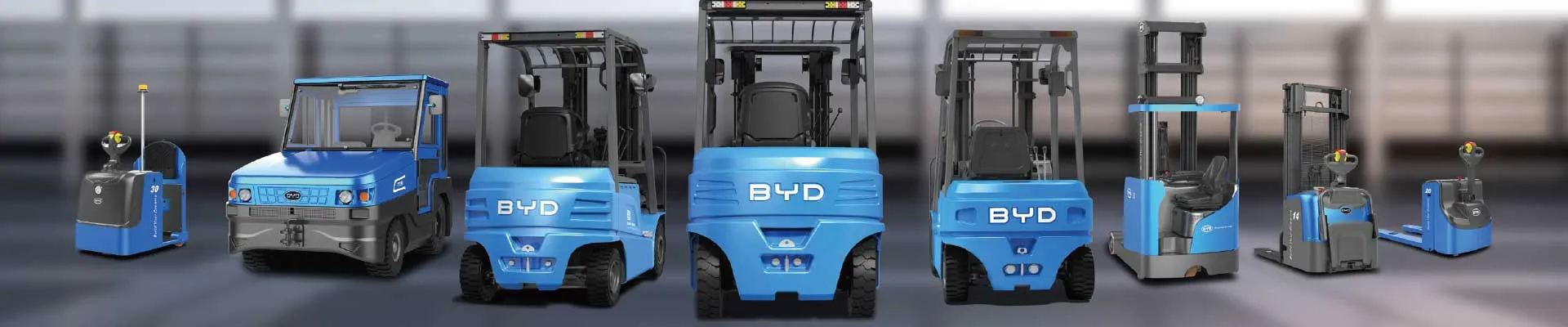

In the daily warehousing operation scenario, forklift entry and exit operations are the core links that directly affect the overall turnover efficiency. Many warehousing operators often encounter problems such as chaotic operation lines, poor connection between different links, and ineffective waiting times. Reasonable optimization of the operation process can steadily improve the overall operation performance without additional hardware investment.
The optimization of the operation preparation stage is the basis for the smooth operation of the entire process. The relevant management personnel can complete the unified sorting of the inbound and outbound documents during the fixed period before the start of the daily operation, and allocate the corresponding storage area in advance according to the real-time inventory information of the cargo space. Synchronously inform the forklift operator of the work priority of the day. The operator should also complete the vehicle status inspection in advance to confirm that the power, braking system, and lifting device are in normal condition. Cooperate with the on-site inspection personnel to clean up the left-over debris and empty pallets in the operation channel to avoid sudden cards in the middle of the operation.
The scientific planning of the operation route is the core means to reduce invalid driving. The operator can combine the actual distribution of the warehouse platform, temporary storage area, and shelf area to plan a one-way circulation forklift route to avoid congestion caused by two-way meeting. Forklifts of different operation types can divide relatively independent traffic paths, reduce the safety hazards caused by cross-operation, and also save the time consumed by frequent avoidance. At the same time, high-frequency goods in and out of the warehouse can be arranged in a low-level cargo space closer to the inbound and outbound warehouse, reducing the number of long-distance forklifts and high-altitude lifts.
Standardization requirements should be implemented in the execution stage of on-site operations. Operators in the warehousing process need to check the goods identification and pre-assigned cargo space information, control the driving and lifting speed, handle the goods with care to avoid bumping. Synchronize the inventory data update as soon as the goods are put on the shelves to avoid subsequent errors and omissions of cargo space information. The outbound link should pick up the goods according to the priority marked on the outbound documents, follow the first-in, first-out principle of cargo management, and drive smoothly to the outbound temporary storage area after picking up the goods. After completing the information verification with the on-site tally personnel, the handover will be done.
After the end of the daily operation, you can make a brief review, count the average time and invalid waiting time of the forklift single trip operation on that day, sort out the specific nodes where the card appears, and make targeted adjustments. After many fine-tuning, you can gradually form an operation process that adapts to your own storage scene.


