
 简体中文
简体中文 Русский
 Français
 Português
 Español
 لالعربية
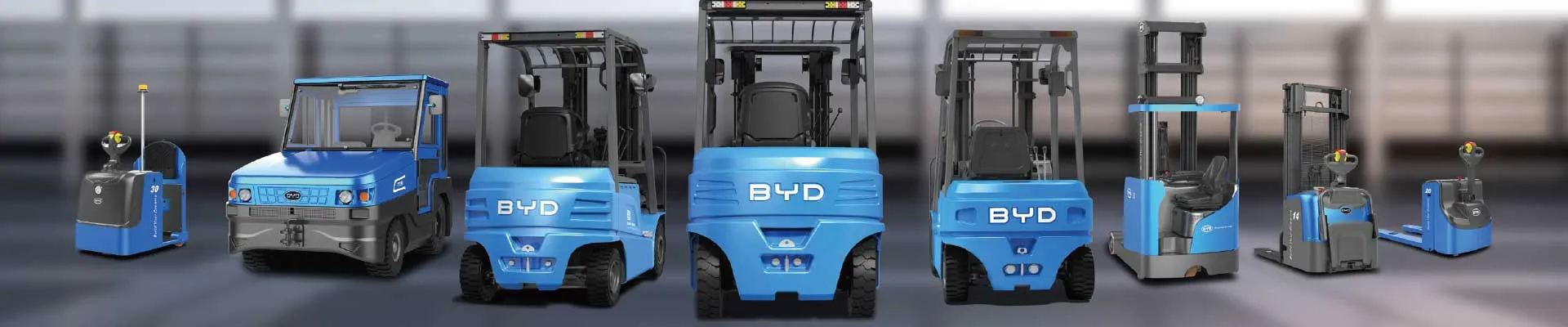
.jpg "Electric forklift brake system daily inspection and maintenance guide(figure1)")
Electric forklifts are the core power equipment for warehousing and handling goods within the factory. The braking system is a core component directly related to operational safety. Daily and systematic inspection and maintenance can not only effectively avoid various operational risks, but also reduce unnecessary additional maintenance costs and prolong the overall service life of the equipment.
The core points of daily inspection can be divided into three different frequency levels of implementation. The first is the visual verification before daily operation. Before the operator starts the equipment, gently step on the brake pedal to confirm that the pedal stroke allowance is in the normal range. There is no clear graphics card during the stamping process, and the rebound is weak. If you feel the effective braking force after stepping on most of the stroke, you must suspend the operation for investigation and adjustment in time. Secondly, regularly check the liquid level status of the brake fluid, observe the corresponding scale marks of the liquid storage tank, and ensure that the liquid level is always between the upper and lower markings. If the liquid level drops significantly in a short period of time, check whether there is leakage at the connection position of the pipeline one by one. When filling the brake fluid, choose the product of the corresponding specification. Different types of brake fluid cannot be mixed at will. Finally, check the wear status of the brake friction pads regularly to confirm that the remaining thickness of the friction pads meets the standards for use. If the wear exceeds the specified threshold, it should be replaced in time to avoid excessive wear and tear of the friction pads and damage to the brake discs, which may lead to hidden dangers of brake failure. Check the braking performance of the handbrake synchronously on a daily basis. After pulling up the handbrake, try to push the vehicle in neutral to confirm that the vehicle will not shift and skid, and avoid the problem of slipping when parking on the ramp.
In the process of standardized maintenance, we should also pay attention to a number of details. We should regularly clean up the dust and debris accumulated around the brake system to avoid dust impurities from entering the braking gap and affecting the sensitivity of the braking response. Do not shut down the equipment immediately after each long-term heavy-duty operation. You can let the equipment run at idle speed for a while. After the temperature of the braking system gradually drops, we can complete the subsequent parking operation to avoid thermal deformation of the braking parts in a high-temperature environment and accelerate the aging and loss of the parts. After each inspection, adjustment, and parts replacement operation, we should make a record of the corresponding working conditions, and make clear remarks on the operation time, adjustment content, and parts replacement information, which is convenient for subsequent traceability of the overall operating status of the equipment and can also provide a reference for subsequent maintenance plan formulation.
Daily operation and maintenance should also pay attention to avoid common operation errors. Do not adjust the braking clearance to an overly tight state at will, otherwise the brakes will continue to be in a semi-braking friction state, which will not only consume additional equipment power, but also cause abnormal heating of the braking parts and accelerate wear and tear. If the abnormal situation of continuous abnormal sound and weak braking force of the brakes is found during the operation, do not force the operation to continue with the fault. Stop the machine for investigation as soon as possible, and then restart the use after completely eliminating the hidden dangers, so as to ensure that the electric forklift is always in a reliable operation state and provide effective support for the smooth operation of the handling operation in the factory.


