
 简体中文
简体中文 Русский
 Français
 Português
 Español
 لالعربية
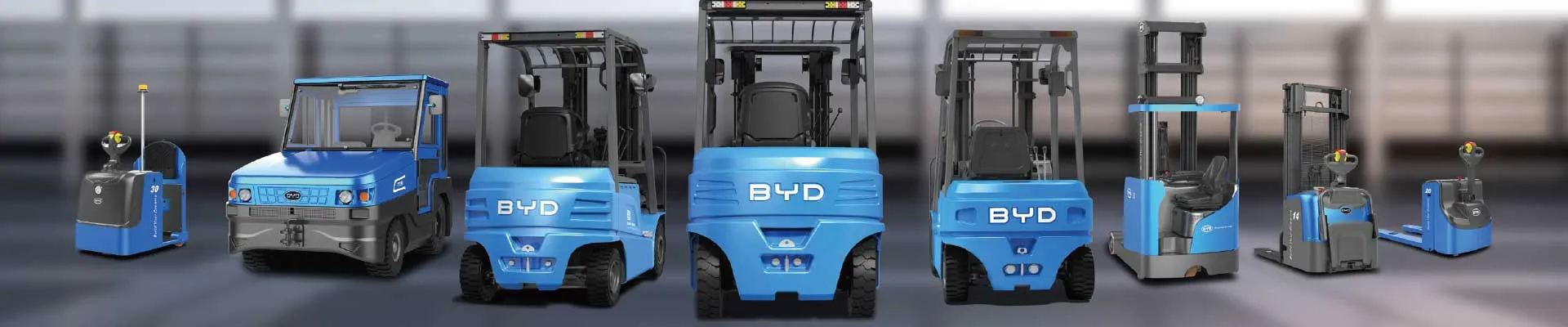
.jpg "Xingtan plastic injection molding workshop, BYD electric forklift raw material conveying operation plan(figure1)")
The raw material transportation of the plastic injection molding workshop is the core link connecting the raw material warehousing and the first-line production station, which directly affects the operation continuity of the entire production line. In most plastic injection molding production scenarios located in Xingtan, there are generally high transfer frequency of raw material plastic particles, limited workshop channel width, production area requirements for clean and no exhaust, multi-shift continuous production, etc. The traditional transfer mode is often prone to moving confusion, material spilling polluting the production environment, equipment life can not keep up with the production rhythm and other problems. The BYD electric forklift raw material transportation operation plan specially adapted to the scene needs can be targeted to solve such actual pain points.
The first step is to scientifically plan the whole process of transfer routes, combining the internal layout of different injection molding workshops to sort out the point distribution of raw material storage areas, raw material pretreatment areas, injection molding stations of each line, and production waste material recovery areas, and plan exclusive electric forklift transfer routes to avoid forklift operation routes crossing with personnel traffic and injection molding equipment operation routes, reducing unnecessary safety hazards from the source, and avoiding efficiency losses caused by long transfer routes.
Secondly, it is to match the scene to adjust the equipment adaptation properties. According to the transshipment weight of the whole plastic particles commonly used in the local injection molding workshop in Xingtan, the BYD electric forklift with the corresponding load-bearing specifications is selected, and the body structure parameters are adjusted to adapt to the common 2.8-meter and above narrow channel traffic requirements in the workshop. There is no need to modify the existing workshop channel, and it can be directly put into use. The vehicle itself has no exhaust emissions, and the operation process will not produce oil drip, which fully meets the control requirements of the injection molding workshop for a clean production environment.
Finally, it is to standardize the daily operation and supporting operation and maintenance mechanism, clarify the transfer inspection process of forklifts for different production shifts, and ensure smooth lifting and slow passage when transporting raw materials, so as to avoid plastic particles on the pallets from spilling on the floor of the workshop. In response to the needs of continuous production in multiple shifts, a reasonable energy replenishment plan is matched to ensure that the equipment has sufficient battery life throughout the day. At the same time, the nearest operation and maintenance service point is set up to regularly carry out routine maintenance of equipment, and timely respond to the debugging needs in daily use to reduce the probability of accidental shutdown of equipment. After the whole plan is implemented, it can effectively reduce the waiting time for production stations, optimize the overall logistics circulation efficiency of the workshop, and help the manufacturer to reasonably control the comprehensive operating costs.


