
 简体中文
 Русский
 Français
 Português
 Español
 لالعربية

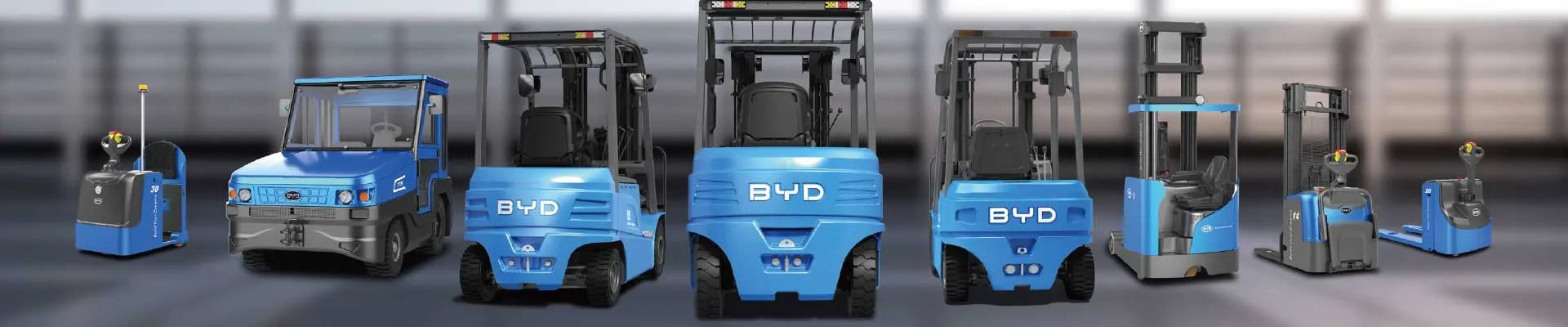

In the process of promoting the upgrade of intelligent assembly workshops in Tangxia regional manufacturing enterprises, the automation of internal logistics links is the core component of the overall digital transformation. After many enterprises complete the deployment of AGV equipment, they often encounter the problem that it is difficult to adapt to long-distance and heavy-duty transshipment scenarios outside the AGV operation boundary. This set of BYD AGV docking electric forklift automation operation plan is based on the common operation characteristics of Tangxia local assembly workshops, taking into account the adaptability of landing and actual use value.
The core logic of this scheme is to connect the AGV dispatching system with the on-board control system of the electric forklift, and realize the real-time interaction of the operation instructions of the two types of equipment, without manual intervention in the intermediate dispatching link. In response to multiple scenarios such as material warehousing and temporary storage, on-demand feeding at the workstation, and off-line transshipment of finished products, which are generally covered in the Tangxia intelligent assembly workshop, the operation process can form a complete closed loop: when the assembly workstation issues a material supply demand, the upper-level warehousing dispatching system first issues the transshipment instruction of light and small materials to the AGV in the workshop, and the AGV transfers the materials to the designated docking waiting area. Simultaneously sends the heavy-load transshipment demand, material parameters, and preset travel path information to the docking electric forklift. After receiving the instruction, the forklift automatically drives to the docking waiting area to smoothly complete the material forking operation. After that, it travels to the unloading area next to the target workstation according to the planned safe path, and then returns the operation completion signal to the AGV system, and the AGV completes the last section of the workstation loading action.
There is no need to make large-scale renovations to the existing workshop floor during the implementation of the plan. The setting of docking points can be flexibly adjusted according to the site layout of different workshops to adapt to the transshipment needs of different types of assembly scenarios such as automotive parts and precision electronic equipment. The whole operation process does not need to be equipped with full-time forklift drivers. The electric forklift completes the corresponding actions according to the system instructions throughout the process. The multiple safety sensing devices on the body can ensure the safety of operations in complex scenarios where pedestrians and production equipment are mixed in the workshop.
After the implementation of this plan, it can effectively reduce the waiting time for material transfer in the workshop, reduce the risk of material collision caused by manual operation, and steadily improve the overall logistics flow efficiency of the intelligent assembly workshop. It also lays a solid foundation for the subsequent establishment of a full-link unmanned logistics system.


