
 简体中文
简体中文 Русский
 Français
 Português
 Español
 لالعربية
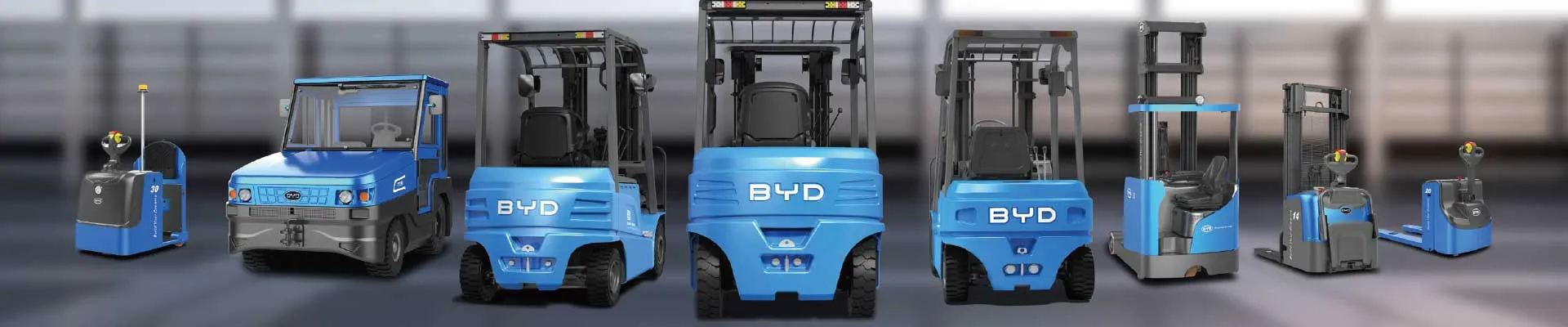

The whole process of new energy battery production has high requirements for the cleanliness of the workshop environment. In the daily operation of the new energy battery workshop in Leping area, it involves a variety of cross-process material distribution requirements such as positive electrode raw materials, battery cell work in progress, auxiliary production consumables, and finished product transfer. If the transfer process control is not in place, it is easy to introduce exogenous dust and debris, which affects the battery production yield. Based on the actual operation requirements of the workshop, we have formulated a targeted dust-free distribution operation plan based on the characteristics of the adapted lithium electric forklift, taking into account the cleanliness requirements and material flow efficiency in an all-round way.
The first is the equipment adaptation adjustment link before the operation. The lithium-ion forklift selected this time does not have the problem of exhaust particulate matter emission from fuel-powered equipment, which avoids the risk of exhaust gas pollution in the clean workshop from the source. At the same time, we seal the exposed gaps of the forklift body that are easy to accumulate dust, and the wheels are made of special non-marking and dust-free rubber material to avoid scratching the ground and bringing up floating dust during driving. All forklifts that enter the clean area for operation must go through a designated air shower dust removal process before each entry to ensure that there is no floating dust in the non-clean area attached to the outer surface of the body and the position of the fork arm, so as to reduce the risk of external pollution from the equipment end.
The second is the full-link distribution operation process specification. We have delineated the exclusive traffic route of the forklift in advance in combination with the cleanliness level division of the workshop, and strictly distinguish the access rights of the ordinary storage area, the semi-clean buffer belt, and the core clean production area. The forklift can only enter the corresponding area after completing the corresponding level of deep dust removal and cleaning. The materials to be transferred must complete the dust removal treatment of the outer packaging before leaving the warehouse. After placing them on the fork arm, do a good job of anti-shaking and fixing to avoid material friction and debris during driving. The forklift operation strictly abides by the speed limit requirements of the workshop throughout the whole process, and controls the driving speed to avoid bringing up dust on the ground. The transfer time, starting point, and delivery point of each batch of materials are registered accordingly, and the whole process information can be checked.
Finally, the supporting daily operation and maintenance guarantee mechanism. We arrange exclusive operation and maintenance personnel to clean the outer surface, fork arm and wheel position of the forklift truck after the daily operation, and regularly check and replace the dust-proof sealing accessories of the body to avoid the problem of sealing failure in long-term use. All forklift operators must complete the dust-free operation special project training in advance and pass the practical operation assessment before they can start the operation. The operation and maintenance team will also regularly sample and test the environmental cleanliness of the whole process of transshipment. According to the production needs of different stages of the workshop, dynamically adjust the operation details. On the premise of ensuring the cleanliness of the forklift truck, the waiting time of materials should be compressed as much as possible to improve the overall production efficiency.
After the implementation of this plan, it is fully adapted to the actual operation scenarios of the Leping new energy battery workshop, without redundant complex operation requirements, taking into account the feasibility of the landing and the practicality of the operation, and can provide a practical reference direction for the on-site transfer operations of similar lithium battery production workshops.


