
 简体中文
简体中文 Русский
 Français
 Português
 Español
 لالعربية
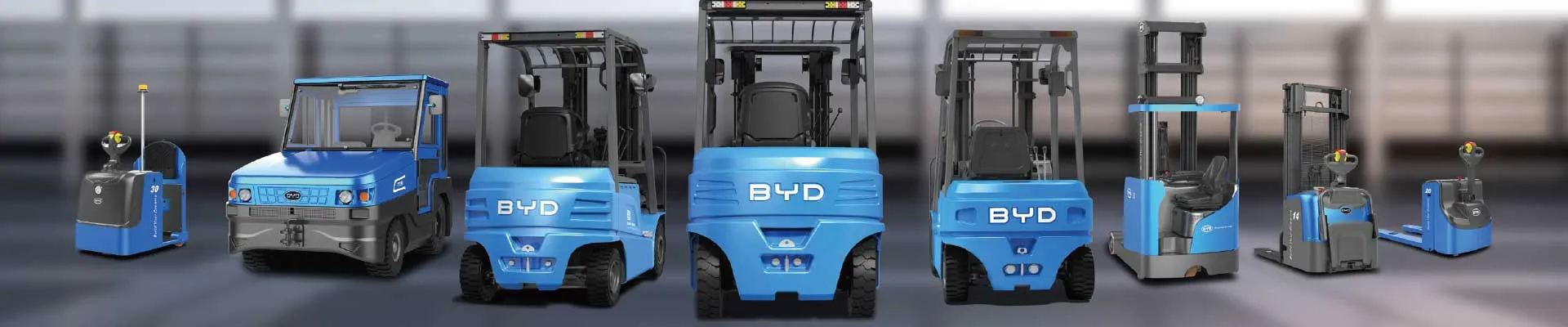
.jpg "Baini ceramic firing workshop, BYD high temperature forklift high temperature zone operation reference(figure1)")
Baini is one of the regions with a high degree of concentration in the domestic ceramic industry. The firing workshop in a large number of local ceramic production plants is the core transit area for connecting the billet making, glazing and finished product outbound processes. This kind of workshop is located close to the kiln, and the daily operating environment temperature is high. The ground will also be scattered with high-temperature residual materials and ceramic dust brought out by many kilns, which puts forward higher requirements for the environmental suitability of on-site transfer equipment.
In the past, when many ceramic factories used ordinary transfer equipment in such areas, they often encountered problems such as the aging speed of core components, the decrease of power output stability, and the increase of daily failure rate, which not only slowed down the overall material transfer efficiency, but also indirectly pushed up the cost of the whole life cycle of the equipment. In response to such high-temperature conditions, many ceramic production enterprises began to choose electric forklifts suitable for high-temperature scenarios for operation. Among them, BYD's high-temperature forklifts can better match the operation needs of the firing shop with their targeted protection design.
In the actual operation, the first step is to do a good job of pre-inspection before entering the high-temperature area. Before each vehicle enters the high-temperature area of the firing shop, the operation and maintenance personnel should check whether the outer insulation protection structure of the vehicle body is in good condition, whether the running state of the cooling system of the vehicle is normal, whether there is abnormal wear on the tire surface, whether there are traces of deformation on the contact surface of the fork bearing, and whether there are any signs of leakage in the sealing part of the hydraulic pipeline. After confirming that all indicators meet the requirements of use, they can enter the high-temperature area to carry out operations.
The corresponding operating specifications should also be followed during the operation process. When driving in the high temperature area, it is necessary to control the appropriate driving speed, smoothly avoid the high temperature kiln debris scattered on the ground, and when transporting the ceramic work in progress just out of the kiln, it is necessary to confirm in advance that the surface temperature of the material is within the allowable bearing temperature range of the equipment, and do not let the vehicle park too close to the heat source for a long time. When arranging the daily operation schedule, it is also necessary to control the operation time of the vehicle in the high temperature area for a single time. After completing the corresponding transfer process, the vehicle can be driven to the normal temperature buffer area outside the workshop to stand for heat dissipation to avoid unnecessary loss of the core components in the high temperature environment for a long time.
The daily operation and maintenance link should also match the exclusive requirements of the high temperature scene. Combined with the actual operation rhythm of the firing shop, regularly check the heat dissipation system of the vehicle, the protective layer of the power unit, and the seals of the hydraulic components for special projects, and clean up the ceramic dust accumulated on the surface of the vehicle and the ashes brought out of the kiln in time to avoid the accumulation of debris affecting the normal heat dissipation of the equipment. After each long-term high temperature operation, do not immediately turn off the power supply of the whole vehicle, and reserve a few minutes for the cooling system to complete the remaining heat dissipation process, and then carry out power failure and follow-up maintenance operations.
The rational use of high-temperature forklifts according to the actual working conditions of the firing workshop can not only effectively improve the smoothness of the full-link material transfer in the workshop, but also effectively extend the service life of the equipment, reduce the subsequent long-term operation and maintenance costs, and provide reliable transfer support for the stable operation of the ceramic production line.


