
 简体中文
 Русский
 Français
 Português
 Español
 لالعربية

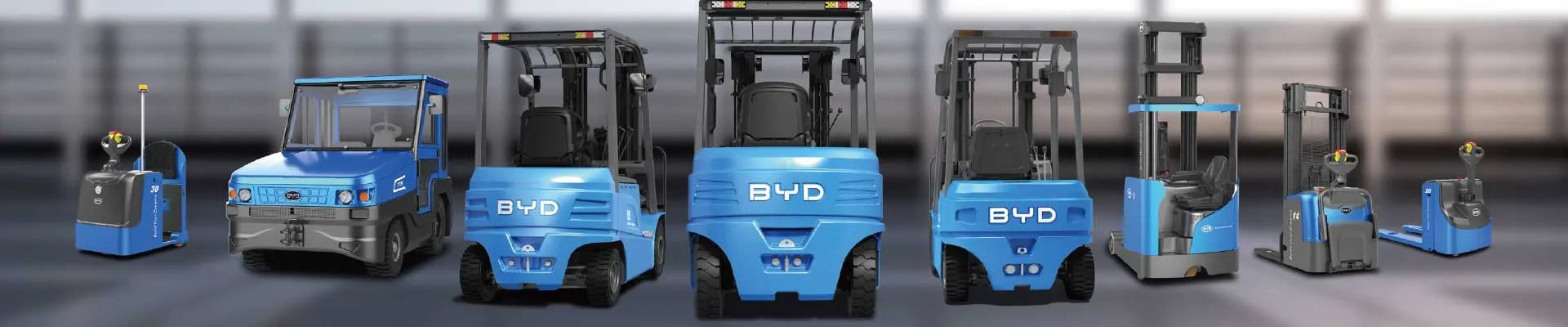

In Dalang's local manufacturing plants, warehousing and logistics sites, e-commerce sorting centers, and other scenarios, light-duty electric forklifts are very common on-site transfer equipment, shouldering the core functions of short-distance material handling and stacking access. Doing a good job in the daily maintenance of this type of equipment can not only ensure the smoothness of the operation, reduce the delay caused by sudden failures, but also reasonably control the operation and maintenance investment for a long time, helping the vehicle enterprises to reduce costs and increase efficiency.
The first is the basic daily maintenance content before and after shifts. This kind of operation can be completed by the first-line operators, and there is almost no additional cost. Before each start of the equipment, the staff needs to simply check whether the battery shell is damaged by bumps, whether the terminals are oxidized and loose, test the sensitivity of the braking system, confirm that there is no abnormal noise in the hydraulic lifting operation, check whether the wear degree of the tire tread is within the safe range, and clean up the accumulated dust and material residue on the body surface in time after the operation. Park the forklift in the designated charging area, and pay attention to whether the parameters of the charging interface are normal during the power replenishment process. This kind of normalized inspection and maintenance can check the vast majority of minor hidden dangers in advance, avoid small problems from delaying into major failures, and greatly reduce the subsequent unexpected maintenance expenses.
The second is regular professional maintenance according to the running time. The running load of light-duty models is low, the loss speed of core components itself is relatively flat, and the operation difficulty of regular maintenance is not high. For each cumulative operation of about 200 hours, the main content is to clean the heat dissipation channels of the walking motor and the hydraulic motor, confirm that the operating parameters of the controller are within the reasonable range delineated by the manufacturer, and add special grease to the motion hinge points of the body. This kind of small maintenance requires less consumables, low labor investment, and very limited single expenditure. For every 1000 hours of operation, it is necessary to calibrate and adjust the pressure difference of the power battery pack, replace the special oil filter accessories of the hydraulic system, and check the aging and wear of the exposed wiring harness of the whole car. The cost of such maintenance belongs to the conventional operation and maintenance investment. As long as the maintenance channel of compliance is selected, the cost is in a reasonable range of openness and transparency.
Regarding the maintenance cost of light-duty models that everyone is generally concerned about, the average annual maintenance cost of light-duty electric forklifts that are used in compliance and completed on time under normal working conditions is much lower than that of internal combustion transfer equipment of the same tonnage. The total cost of annual routine maintenance basically accounts for only 2% to 5% of the purchase cost of the whole vehicle. Daily self-completed pre-shift and post-shift maintenance has almost no additional expenses. Only when human improper operation and long-term neglect of maintenance lead to damage to core components will higher maintenance expenses be incurred. It is recommended that car users in Dalang area give priority to the brand's officially authorized maintenance site docking service, and do not choose replacement parts that do not meet the specifications in order to reduce short-term costs, which will damage the operation stability of the vehicle's electronic control and hydraulic systems and increase the maintenance expenditure of the whole life cycle. Daily can also supplement basic forklift maintenance knowledge training for front-line operators, develop good habits of standardized vehicle use, further extend the service life of equipment, and release higher use value.


