
 简体中文
简体中文 Русский
 Français
 Português
 Español
 لالعربية
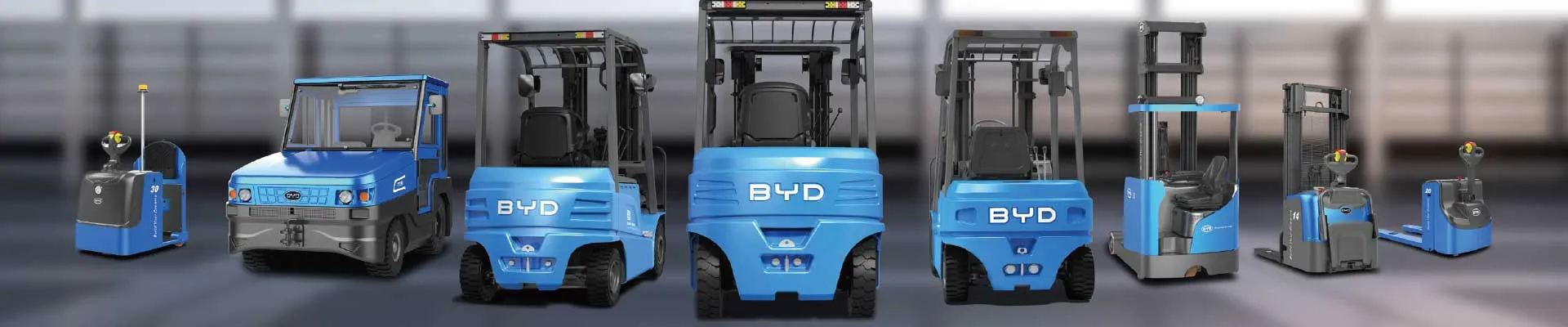
.jpg "Factory Forklift Fleet Management and Efficiency Optimization Scheme(figure1)")
In the internal logistics of most manufacturing plants, the operation status of the forklift fleet directly affects the smoothness of warehousing and transshipment, and the supply of materials to the production line. Many factories have long adopted an extensive management model, which makes it easy to cause vehicle scheduling confusion, high idling rate, untimely operation and maintenance, and irregular personnel operation. This not only increases operating costs, but also slows down the overall logistics flow efficiency.
In order to build a complete forklift fleet management system, it is first necessary to complete a comprehensive review of the fleet's basic ledger. Managers need to count the basic information of all forklifts in use one by one, including purchase time, battery specifications, rated load, and commonly used operation areas, establish an exclusive full life cycle operation file for each vehicle, clearly mark the past maintenance records, thoroughly clarify the problems of unclear ownership and status of previous vehicles, and figure out the capacity base of the entire fleet, laying the foundation for subsequent refined management.
The next step is to optimize the dynamic scheduling mechanism and change the extensive order dispatch mode that relied on manual temporary hailing in the past. The factory can set up a unified forklift scheduling entrance, collect the transshipment needs of each workshop and storage area, and combine the distribution of operation points, real-time location of vehicles, remaining power and other dimensional information to send orders nearby, which can greatly reduce the invalid travel of forklifts for long-distance empty driving. At the same time, it can set up peak scheduling rules. During peak hours of loading and unloading and material replenishment in the factory area, priority is given to deploying fully charged vehicles with high battery life to complete high-frequency transshipment tasks. During peak hours, vehicles with low remaining power are arranged to complete short-distance turnover operations, maximizing the available capacity of each vehicle and reducing unnecessary power consumption.
Supporting the establishment of an active operation and maintenance control system, jumping out of the previous passive operation and maintenance logic of "vehicle failure maintenance". Combined with the accumulated running time of each vehicle to set the corresponding regular inspection reminder, maintenance personnel regularly test the core components such as the braking system, steering system, and battery status of the vehicle. Once minor hidden dangers are detected, they will be dealt with as soon as possible to avoid small faults and delays becoming major problems that lead to long-term downtime of the vehicle. At the same time, standardize the daily charge and discharge management process, arrange special personnel to watch the charging area, avoid vehicle overcharging, long-term undervoltage storage and other behaviors that consume battery life, prolong the overall service life of the vehicle, and reduce the long-term operation and maintenance costs of the fleet.
Finally, the standardized guidance of personnel operation is completed synchronously, and forklift operators are regularly organized to participate in training related to safe operation and energy-saving driving. It is clearly prohibited to idling vehicles for a long time, and to collide forks with illegal operations. The operation efficiency, energy consumption data and the performance of operators can be appropriately linked, and the awareness of front-line personnel to actively optimize their work habits can be improved. After the whole package is steadily implemented, the ineffective running time of the fleet can be gradually reduced, the overall efficiency of the internal transfer link of the factory can be smoothly improved, and the reasonable control of operating costs can be realized.


