
 简体中文
简体中文 Русский
 Français
 Português
 Español
 لالعربية
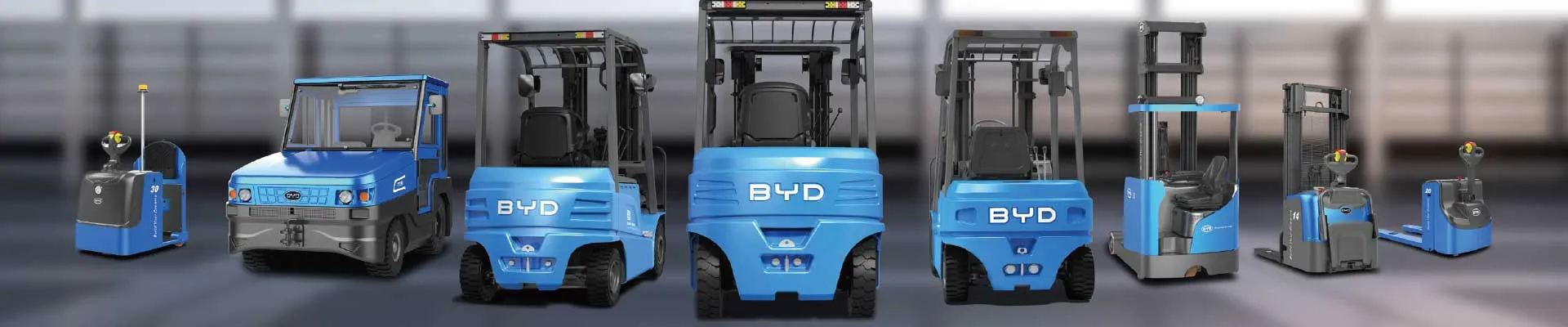

Gurao is a well-known underwear industry clustering area in China. There are a large number of underwear sewing workshops of different sizes distributed locally. In the daily production process of such workshops, surface accessories, lace accessories, semi-finished products and finished goods need to be transported frequently. The traditional manual transfer mode not only consumes a lot of manpower, but also is prone to problems such as messy stacking of materials and fouling of fine fabrics. The rational use of small-tonnage electric forklifts suitable for the scene can effectively make up for the shortcomings of such material distribution.
Before officially launching the material distribution operation, it is necessary to make pre-planning in combination with the spatial layout of the sewing workshop. The workshop can demarcate a fixed material stacking temporary storage area according to the arrangement position of the existing sewing machine, and at the same time plan a special forklift passage with suitable width to avoid the manual operation area where people move around intensively, so as to avoid the movement line conflict in the follow-up operation from the source. Before starting the forklift, the operator should complete the routine inspection to confirm the power status of the vehicle and the normal operation of the fork lifting parts. At the same time, check the material category, quantity and demand list of the corresponding station to be delivered. All fabrics and accessories to be transferred must be dustproof coated in advance to avoid contamination of the fabric floating hair in the workshop during transshipment.
The daily operation process should follow the operation specifications of the suitable underwear workshop. The forklift truck should keep low speed throughout the whole process. When encountering the operators on the aisle, it should be prompted in advance. When the fork picks up and puts the whole support material, it should be lifted and lowered smoothly to avoid material loss caused by the shaking and sliding of the goods. The distribution operation should be carried out according to the timing of the production plan. Priority should be given to replenishing the required materials for the order station. After completing the distribution operation of a single point, the material circulation registration information should be updated synchronously in time to ensure that the whole distribution process can be traced back.
In the process of daily use, the operation and maintenance management of the vehicle should also be done well. According to the characteristics of multi-shift production in the underwear workshop, the forklift charging period can be arranged in the idle period of shift change and rest, avoiding the peak period of centralized power consumption in the workshop, and regularly wiping the floating hair and dust attached to the forklift body to avoid debris falling and polluting the fine fabrics. Workshop managers can also regularly collect feedback from front-line workers, and combine the adjustment of production stations to optimize the distribution route in time, further reduce unnecessary travel distances, and continuously optimize the fluency of material distribution. The whole set of operation methods adapted to the scene can effectively reduce the waiting time of materials in the underwear sewing workshop, improve the overall production operation efficiency, and adapt to the refined production needs of the underwear industry.


