
 简体中文
简体中文 Русский
 Français
 Português
 Español
 لالعربية
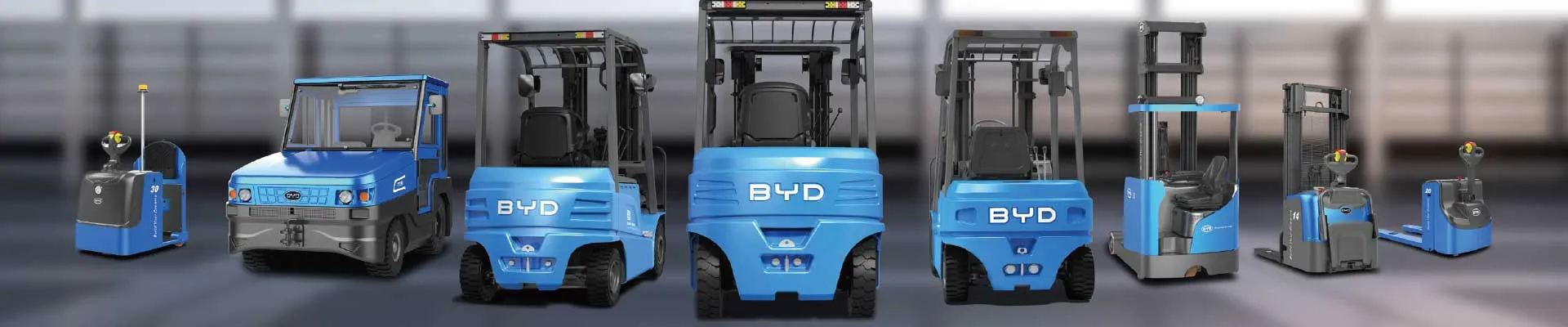

Auto parts warehousing is generally characterized by a variety of categories and large differences in storage requirements for different goods. The traditional mixed warehousing operation mode is prone to confusion and takes a long time to find goods. Zonal warehousing is currently the mainstream direction for many warehouses of the same type to optimize operation efficiency. Liaobu has gathered a large number of warehousing sites related to auto parts, and many operators are exploring a zoning operation system for electric forklifts that suits their own business characteristics. In the early stage of building the operation system, the operator can first combine the space conditions of its own warehouse area and the properties of the goods to complete the basic partition. The common division dimensions can cover the storage area of heavy and large parts, the high-level shelf area of precision small pieces, the turnover area for warehousing to be inspected, and the finished product to be sent out of the warehouse area. According to the channel width, shelf height, and weight of common work goods of each partition, the operation parameters of the electric forklift should be adjusted accordingly. For example, in the high-level shelf operation area of precision small pieces, the lifting stability parameters of the forklift should be properly debugged to avoid bumping the shelves or goods during picking and unloading. In the heavy and large storage area, the load-bearing adaptation parameters of the forklift should be adjusted to ensure the stability of the operation process. After completing the basic division of the warehouse area, the operator can plan a circular operation route without crossing based on the steering radius and conventional battery life performance of the electric forklift used, so as to minimize the situation of forklifts with different operation tasks grabbing and congestion, and reduce the ineffective driving distance. Operators can also combine the peak period characteristics of single-day inbound and outbound warehouses to arrange forklift operation tasks in different zones at staggered peaks to further relieve the traffic pressure in the warehouse area. During daily operations, forklift operators need to be familiar with the storage requirements of each zone in advance. For some special parts with anti-collision and moisture-proof requirements, the speed of the forklift is controlled throughout the operation to avoid sudden braking and sudden stop. When each shift is handed over, the staff should check the battery balance, fork loss, and core operating status of the forklift one by one, make the corresponding use registration, and arrange charging or maintenance operations in time to avoid equipment outage in the middle of the operation. After this forklift operation mode adapted to the characteristics of partition storage is implemented, it can gradually reduce the probability of damage during the transfer of auto parts, improve the overall processing efficiency of inbound and outbound warehousing, and also provide reusable practical ideas for the same type of auto parts warehousing operators.


