
 简体中文
简体中文 Русский
 Français
 Português
 Español
 لالعربية
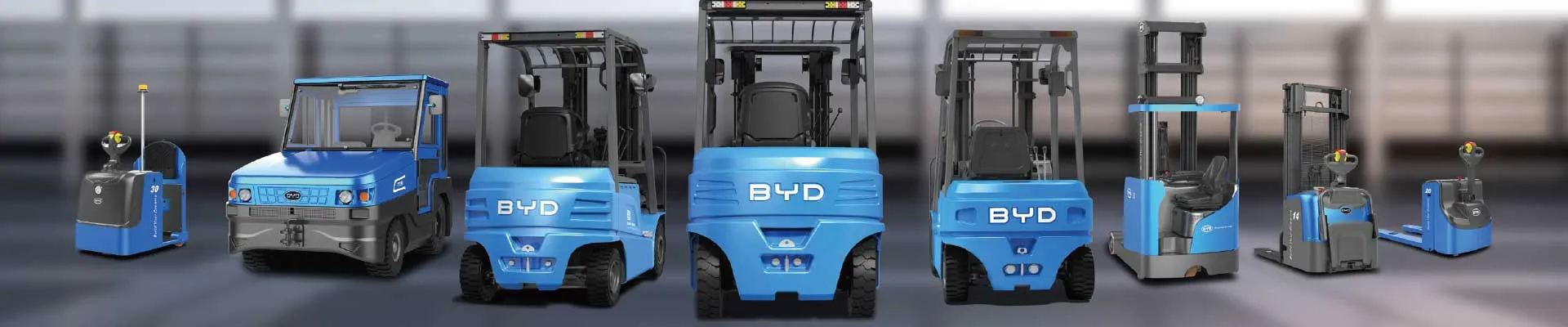

At present, many manufacturing plants and large storage centers use multi-shift continuous operation mode. Electric forklifts are the core handling equipment in the field, and the battery life of a single battery usually cannot cover the complete operation shift. It is necessary to maintain the continuous operation of the equipment through battery rotation. The traditional extensive battery rotation mode is prone to problems such as long driver waiting time, circuitous movement, and chaotic operation and maintenance, which directly affect the fluency of the overall handling process, and even slow down the operation rhythm of the entire production line or the inbound and outbound warehousing processes.
To improve the overall efficiency of battery rotation, first of all, it is necessary to combine its own work scheduling rules to sort out the process in advance, count the average daily operation time and average power consumption rate of each forklift, calculate the approximate time node for each shift to rotate the battery, and set the battery storage area close to the core operation line to avoid the forklift from picking and unloading the battery over a long distance. At the same time, the pre-inspection of the battery to be replaced can be completed in advance during non-peak work periods to confirm the power, appearance status, and interface integrity, and reduce the invalid waiting time after the driver arrives.
Secondly, it is necessary to standardize the rotation operation, provide system training to the operation and maintenance personnel responsible for battery transfer and docking, and clarify the full set of operation steps for plugging and unplugging interfaces, disassembling and assembling fixed parts, and storing old and new batteries to avoid equipment loss and safety hazards caused by irregular operation. At the same time, set up a simple battery status registration ledger, clearly mark the charging time, discharge times, and daily operation and maintenance records of each battery, and prioritize the rotation of batteries in good condition into peak operation segments to avoid the failure of batteries in poor condition affecting the work progress.
In the daily operation process, the plan should also be dynamically adjusted according to the actual scene, regularly collect feedback from front-line operators, and flexibly adjust the frequency and point of battery rotation in combination with the order volume and production task changes at different times. For example, during the peak season of warehousing and outbound, the arrangement position of spare batteries can be appropriately adjusted, and the rotation operation can be arranged at staggered peaks. Try to avoid the peak period of handling operations, so as to avoid the rotation operation occupying the core channel and interfering with the overall logistics turnover. This kind of optimization plan does not require too high cost to be implemented, which can significantly reduce the average time consumption of battery rotation, improve the overall attendance efficiency of forklifts, and ensure the continuous and stable operation of the handling link in the yard under the multi-shift production industry model.


