
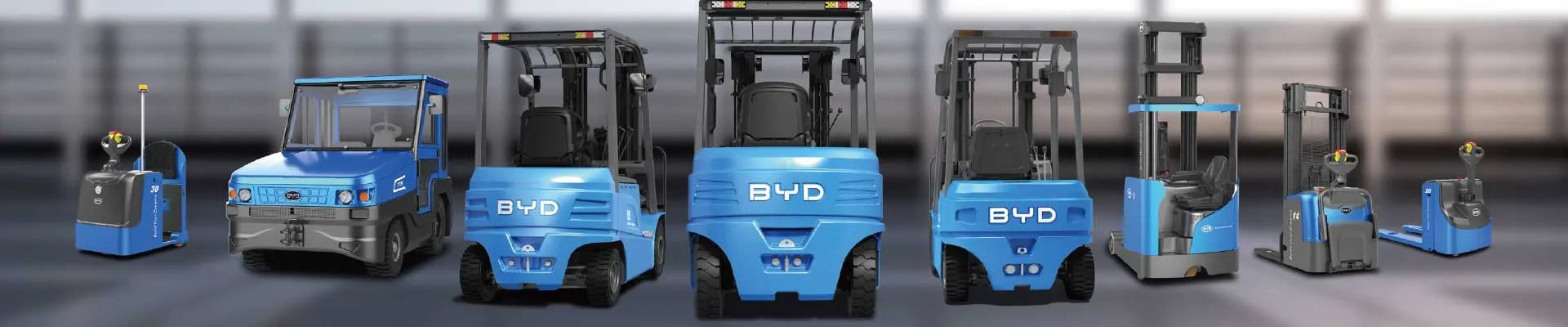

The requirements for environmental cleanliness and operation accuracy in SMT dust-free workshops are much higher than those in ordinary production workshops. The daily material transfer in SMT workshops of many electronic production enterprises in the Tangxia area not only needs to match the production line's production capacity supply rhythm, but also meets the strict control standards of dust-free environments. Building a standardized distribution system relying on electric handling equipment suitable for clean scenes is the core link to ensure smooth production operation.
Pre-operation verification preparation is the primary link of dust-free distribution. All personnel involved in distribution operations should complete the operation training of special projects in the dust-free workshop before going to work, wear dust-free clothing and dust-free shoes that meet the requirements of cleanliness level, and prohibit wearing easy-to-fall accessories into the operation area to reduce the risk of artificial dust from the source. The electric handling equipment used should be cleaned up on the surface of the whole body before entering the dust-free workshop. The residual debris of tire gaps, operation buttons, and fork positions should be cleaned one by one through a dust-free wiping cloth. Confirm in advance that there is no hidden danger of liquid leakage in the battery and power system of the equipment. Verify whether the braking, steering, and warning functions are all normal to avoid sudden failures during operation and affect the overall production order.
The distribution staff should strictly abide by the exclusive operation specifications of the scene during the delivery journey. The distribution staff should connect with the production planning post in advance, confirm the corresponding station position of the PCB substrate, component packaging material and other materials that need to be transferred at that time, and drive in strict accordance with the special traffic route delineated by the workshop. The driving speed is controlled within the compliance range throughout the process to avoid rapid movement to raise dust on the ground, and also to prevent the material from slipping and bumping due to sudden brake change direction. When passing through the periphery of automated production equipment and dense areas, the prompt tone should be sounded in advance to avoid interference, and the SMT production line that is running should not be disturbed. During the transfer process, all materials should be well protected against dust and sealed, and the stacking height should not exceed the safety limit value to avoid blocking the operator's line of sight and causing accidents.
Delivery and finishing links should also comply with dust-free control requirements. After the materials arrive at the corresponding workstation, check the material model, batch, and quantity with the person in charge of the workstation. After confirming that they are correct, complete the receipt. Materials to be transferred cannot be stacked in the workshop passage for a long time. After all the distribution operations on the same day are completed, the electric handling equipment should be docked in the designated clean area for storage, and the surface of the equipment should be fully wiped again. The delivery documents of the day should be sorted out and counted, and the abnormal problems such as route congestion and material packaging damage found during the transfer process should be reported synchronously. Cooperate with the workshop operation and maintenance post to optimize the follow-up delivery process.
This set of operation reference process has been verified by multi-scenario actual operation, which can ensure the material supply efficiency of the SMT production line, reduce unnecessary operation errors, and help the long-term stable operation of the electronic production workshop under the premise of meeting the clean control requirements of the dust-free workshop.


