
 简体中文
 Русский
 Français
 Português
 Español
 لالعربية

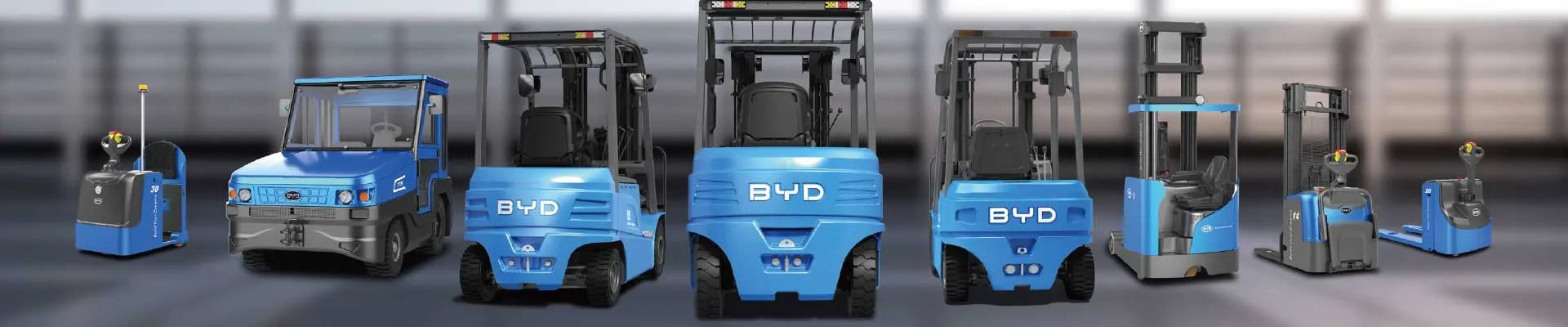

For the warehousing, express transit, and small-scale processing and manufacturing business entities in Shijie, small electric forklifts and stackers are the core operating equipment for daily cargo transshipment. By doing a good job in normalized and standardized maintenance, not only can we ensure the smoothness of daily operations, but also effectively avoid the loss of operation interruption caused by sudden failures.
The first is the daily pre-shift basic maintenance project. This type of operation needs to be completed by the operators who operate the equipment every day before starting the equipment, which belongs to the category of low-frequency lightweight inspection. The operator must first visually check the appearance of the car body for bumping deformation and cracking of exposed parts, check the wear degree of the walking wheel and the bearing wheel, and whether the wheel surface is embedded in foreign objects such as wire and gravel to confirm that the rotation of the wheel group is not blocked. Then check the remaining power of the equipment, confirm that the charging interface and various wiring connectors are not loose or leaking copper wires, gently step on the brakes to test the braking sensitivity, and repeatedly lift the fork several times to confirm that the lifting process is smooth and free of cards. At the same time, test whether the functions of the warning sound and the operation lighting are normal, and finally clean up the debris stacked around the equipment to avoid the risk of scratches during subsequent operations.
The second is the weekly regular inspection and maintenance project. This kind of operation needs to be completed by the operation and maintenance personnel who are familiar with the structure of the equipment and cooperate with the operators to cover the inspection of more core components. The operation and maintenance personnel must first clean up the floating dust and spilled liquid on the surface of the power battery, check whether there are traces of oxidation and corrosion in the battery terminals, and adjust the loose wiring parts in time. Then check the position of each pipeline interface of the hydraulic system to confirm that there is no oil leakage. Check whether the hydraulic oil level is in the officially marked standard range. At the same time, test the flexibility of all the function buttons of the operating handle and the steering mechanism one by one, tighten the exposed connecting bolts all over the body, clean up the dust accumulated at the position of the slideway of the fork rack, and apply a small amount of special grease evenly to ensure smooth sliding.
Finally, there is the monthly in-depth maintenance project. This kind of operation requires a comprehensive investigation of the core operating components of the equipment. The operation and maintenance personnel should check whether the voltage data of the battery pack is in the normal range one by one, test whether the charging and discharging performance is stable, and clean the ventilation and heat dissipation structure around the battery to avoid heat accumulation affecting the battery life performance of the equipment. At the same time, check the wear degree of the brake pads of the brake system, adjust the brake clearance as needed, check whether the tension of the door frame chain is uniform, clean up the dust accumulated on the surface of the walking motor, confirm that there is no abnormal sound during the operation of the motor, and finally check whether all the safety warning signs pasted on the body are complete one by one. If there is wear and tear, it should be filled in time
All routine maintenance operations are recommended to be carried out according to the operation guidelines given by the equipment official. Scenarios that are under high load for a long time can shorten the maintenance interval appropriately. Through standardized maintenance actions, the overall service life of the equipment can be effectively extended, long-term operation and maintenance costs can be reduced, and stable equipment operation support can be provided for various operation scenarios.


