
 简体中文
简体中文 Русский
 Français
 Português
 Español
 لالعربية
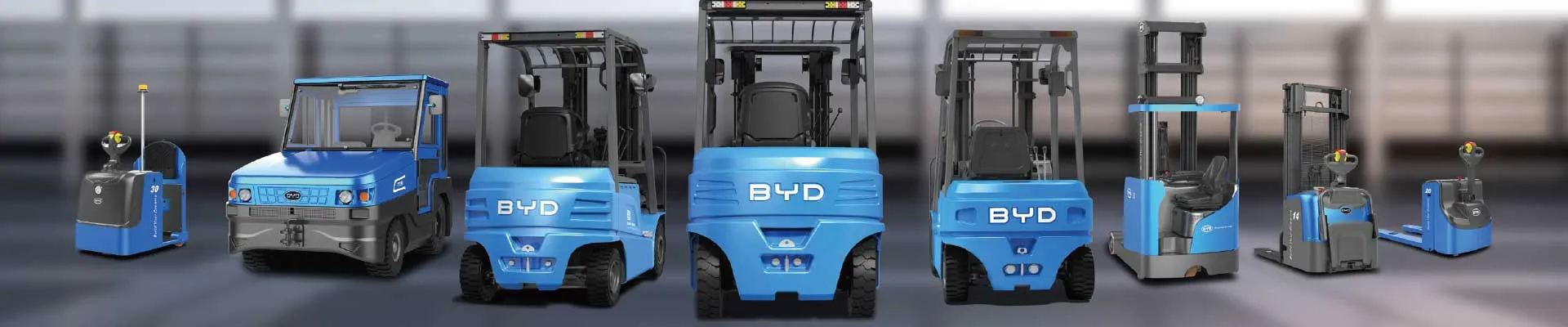

Anbu is a well-known food industry agglomeration area in China, with a large number of food packaging warehouses serving the food production chain in the area. The core service objects of this kind of storage space are the inner packaging materials and finished products that directly contact the food. The cleanliness of the working environment and the hygiene attributes of the operating equipment are much higher than those of ordinary industrial warehouses. The compliance control of the warehousing link is an important part of building a strong food safety defense line.
At present, the BYD sanitary forklift suitable for such special scenarios fully considers the hygiene needs of food storage in the basic design stage. The exposed parts of the whole vehicle are not easy to accumulate oil stains, and there are few dead ends in the gaps. It fully meets the basic access standards of food packaging warehouses. Relevant compliance operations can be steadily advanced according to the idea of whole-process control.
The first step is the inspection process before the forklift enters the warehouse. Before the forklift enters the food packaging warehouse operation area, the operator needs to complete the visual inspection of the whole body in advance to confirm that there are no residual foreign stains and debris on the outer surface of the body, no sediment and sediment spots in the outer area of the wheel gap, and no easy-to-fall debris or sharp burrs on the surface of all attachments that contact the pallet and turnover box. After confirming that all indicators meet the hygiene access requirements in the warehouse, it can enter the operation area according to the designated traffic route to avoid foreign pollution from the source into the clean storage space.
The second is the control link of the daily operation process. During the operation of the forklift, the exclusive traffic route delineated in the warehouse should be strictly followed, and the storage area of food packaging materials and food packaging films should be avoided directly exposed. When transporting the stacked goods, the lifting height of the attachments should be controlled to avoid scratching the ventilation pipes and disinfection pipes laid on the top of the warehouse to prevent irrelevant sundries from falling and contaminating the packaging materials. If the transshipped packaging materials are accidentally dropped during the operation, the forklift should be parked at the nearest temporary safety stop first. After confirming that the surrounding environment is safe, it should be picked up and sorted out. Do not directly run over the scattered materials and cause debris splashing, which will affect the hygiene of the surrounding area.
Finally, the maintenance link after each shift is completed. After all transshipment operations on the same day are completed, the operator should park the forklift in the designated exclusive equipment parking area outside the warehouse, use neutral cleaning and disinfection products allowed for food storage, wipe the high-frequency contact areas such as the operating handle, body handrails, and the contact surface of the attachment, clean up the packaging paper scraps, floating dust and other debris accumulated in the gap of the body, and then register the equipment operation and maintenance records of the day after confirming that the body has not left any foreign objects. Do not park the forklift full of debris directly in the closed clean storage area overnight to avoid unnecessary health hazards.
Anbu local food packaging and warehousing operators can combine their own storage capacity and daily material transfer frequency to incorporate the operation process of sanitary forklifts into the overall warehousing hygiene control system, continuously optimize the compliance management level of warehousing links, and provide solid supporting support for the standardized operation of the regional food industry.


