
Código para la gestión de la seguridad de los montacargas en entornos inflamables y explosivos

2026-09-02

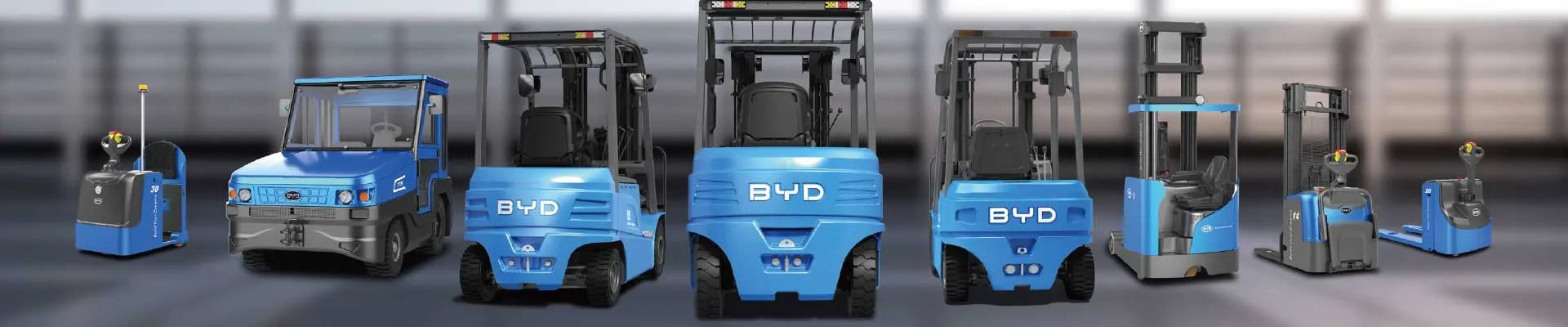
Código para la gestión de la seguridad de los montacargas en entornos inflamables y explosivos(Figura1)

Gestión de trabajo previo al ingreso

Todas las carretillas elevadoras que necesiten ingresar al entorno inflamable y explosivo deben completar con anticipación la verificación del desempeño a prueba de explosiones del proyecto especial para confirmar que los componentes eléctricos del vehículo, las estructuras de protección, los dispositivos antiestáticos, etc. coinciden completamente con los requisitos de nivel a prueba de explosiones de la escena correspondiente. Las carretillas elevadoras ordinarias que no cumplen con los estándares tienen terminantemente prohibido ingresar al área de operación en violación de las regulaciones. Todos los conductores de carretillas elevadoras deben pasar por el proyecto especial Entrenamiento de seguridad para escenas inflamables y explosivas, comprender completamente los puntos de riesgo, tabúes de operación y métodos básicos de eliminación de la escena especial, y poseer las calificaciones correspondientes después de pasar la evaluación. El personal no calificado tiene terminantemente prohibido operar el vehículo sin autorización. Antes de la operación oficial, los procedimientos especiales de aprobación de operación deben manejarse de acuerdo con las regulaciones y se debe aclarar el alcance de cobertura, el tiempo de operación y el personal exclusivo de monitoreo en el sitio de esta operación. Nadie iniciará el proceso de operación de entrada sin procedimientos completos de aprobación.

Segundo, operación y control en el sitio

Antes de que el vehículo entre en el área del núcleo inflamable y explosivo, debe estacionarse en el área de amortiguación de pretratamiento designada. El personal de monitoreo en el sitio revisará la apariencia del vehículo, los sellos a prueba de explosiones, el sistema de frenado y los dispositivos de advertencia de luz y sonido uno por uno. Después de confirmar que no hay fugas, daños en los componentes ni fallas en la operación, el vehículo puede guiarse hacia el área de operación. Durante la operación, la velocidad del vehículo debe controlarse estrictamente. La velocidad en el área del núcleo inflamable y explosivo no debe exceder el umbral especificado. Está estrictamente prohibido frenar, girar bruscamente y estar inactivo durante mucho tiempo. La operación de elevación de la horquilla debe mantenerse estable para evitar la colisión de las mercancías bifurcadas con las instalaciones circundantes para generar electricidad estática o chispas de impacto. Durante la operación, los conductores no pueden salir de la posición de operación sin autorización, y está terminantemente prohibido colocar todo tipo de artículos personales inflamables y explosivos en la carrocería del vehículo, ni cargar el vehículo o desmontar piezas en el área de operación.

III. Investigación y gestión periódicas del peligro oculto

Las empresas deberían desarrollar mecanismos exclusivos de inspección semanales, mensuales y anuales para carretillas elevadoras que funcionen en escenarios inflamables y explosivos. Cada inspección se centra en verificar la integridad de las tiras de sellado a prueba de explosiones, el estado de desgaste de las capas de aislamiento del circuito eléctrico y la eficacia de los dispositivos de puesta a tierra antiestáticos. Si se descubre que las piezas están envejecidas y atenuadas en el rendimiento, deben detenerse para su inspección lo antes posible. No se permite poner en funcionamiento a los vehículos enfermos. Al mismo tiempo, los conductores y el personal de supervisión in situ deben organizarse regularmente para realizar simulacros de emergencia para aclarar los procedimientos de manejo en situaciones especiales, como fallas repentinas de vehículos e incendios iniciales en el lugar de trabajo, y garantizar que todo el personal pertinente domine la evacuación de emergencia y el manejo inicial peligroso.

IV. Gestión de circuito cerrado fuera del sitio

Una vez completadas todas las operaciones el mismo día, el conductor debe alejar suavemente la carretilla elevadora del área del núcleo inflamable y explosivo, estacionarla en el espacio de estacionamiento exclusivo del área designada no a prueba de explosiones, tirar del freno de mano, apagar toda la energía del vehículo y confirmar que no quedan incendios o materiales peligrosos dispersos alrededor del vehículo. Después de informar el estado de finalización de la operación al personal de monitoreo en el sitio, registre sincrónicamente y presente todo el proceso de la operación el mismo día para formar un circuito cerrado de gestión completo para evitar varios riesgos potenciales de seguridad de los detalles.

We use cookie to improve your online experience. By continuing to browse this website, you agree to our use of cookie.

Cookies

Please read our Terms and Conditions and this Policy before accessing or using our Services. If you cannot agree with this Policy or the Terms and Conditions, please do not access or use our Services. If you are located in a jurisdiction outside the European Economic Area, by using our Services, you accept the Terms and Conditions and accept our privacy practices described in this Policy.
We may modify this Policy at any time, without prior notice, and changes may apply to any Personal Information we already hold about you, as well as any new Personal Information collected after the Policy is modified. If we make changes, we will notify you by revising the date at the top of this Policy. We will provide you with advanced notice if we make any material changes to how we collect, use or disclose your Personal Information that impact your rights under this Policy. If you are located in a jurisdiction other than the European Economic Area, the United Kingdom or Switzerland (collectively “European Countries”), your continued access or use of our Services after receiving the notice of changes, constitutes your acknowledgement that you accept the updated Policy. In addition, we may provide you with real time disclosures or additional information about the Personal Information handling practices of specific parts of our Services. Such notices may supplement this Policy or provide you with additional choices about how we process your Personal Information.


Cookies

Cookies are small text files stored on your device when you access most Websites on the internet or open certain emails. Among other things, Cookies allow a Website to recognize your device and remember if you've been to the Website before. Examples of information collected by Cookies include your browser type and the address of the Website from which you arrived at our Website as well as IP address and clickstream behavior (that is the pages you view and the links you click).We use the term cookie to refer to Cookies and technologies that perform a similar function to Cookies (e.g., tags, pixels, web beacons, etc.). Cookies can be read by the originating Website on each subsequent visit and by any other Website that recognizes the cookie. The Website uses Cookies in order to make the Website easier to use, to support a better user experience, including the provision of information and functionality to you, as well as to provide us with information about how the Website is used so that we can make sure it is as up to date, relevant, and error free as we can. Cookies on the Website We use Cookies to personalize your experience when you visit the Site, uniquely identify your computer for security purposes, and enable us and our third-party service providers to serve ads on our behalf across the internet.

We classify Cookies in the following categories:
 ●  Strictly Necessary Cookies
 ●  Performance Cookies
 ●  Functional Cookies
 ●  Targeting Cookies


Cookie List
A cookie is a small piece of data (text file) that a website – when visited by a user – asks your browser to store on your device in order to remember information about you, such as your language preference or login information. Those cookies are set by us and called first-party cookies. We also use third-party cookies – which are cookies from a domain different than the domain of the website you are visiting – for our advertising and marketing efforts. More specifically, we use cookies and other tracking technologies for the following purposes:

Strictly Necessary Cookies
These cookies are necessary for the website to function and cannot be switched off in our systems. They are usually only set in response to actions made by you which amount to a request for services, such as setting your privacy preferences, logging in or filling in forms. You can set your browser to block or alert you about these cookies, but some parts of the site will not then work. These cookies do not store any personally identifiable information.

Functional Cookies
These cookies enable the website to provide enhanced functionality and personalisation. They may be set by us or by third party providers whose services we have added to our pages. If you do not allow these cookies then some or all of these services may not function properly.

Performance Cookies
These cookies allow us to count visits and traffic sources so we can measure and improve the performance of our site. They help us to know which pages are the most and least popular and see how visitors move around the site. All information these cookies collect is aggregated and therefore anonymous. If you do not allow these cookies we will not know when you have visited our site, and will not be able to monitor its performance.

Targeting Cookies
These cookies may be set through our site by our advertising partners. They may be used by those companies to build a profile of your interests and show you relevant adverts on other sites. They do not store directly personal information, but are based on uniquely identifying your browser and internet device. If you do not allow these cookies, you will experience less targeted advertising.

How To Turn Off Cookies
You can choose to restrict or block Cookies through your browser settings at any time. Please note that certain Cookies may be set as soon as you visit the Website, but you can remove them using your browser settings. However, please be aware that restricting or blocking Cookies set on the Website may impact the functionality or performance of the Website or prevent you from using certain services provided through the Website. It will also affect our ability to update the Website to cater for user preferences and improve performance. Cookies within Mobile Applications

We only use Strictly Necessary Cookies on our mobile applications. These Cookies are critical to the functionality of our applications, so if you block or delete these Cookies you may not be able to use the application. These Cookies are not shared with any other application on your mobile device. We never use the Cookies from the mobile application to store personal information about you.

If you have questions or concerns regarding any information in this Privacy Policy, please contact us by email at . You can also contact us via our customer service at our Site.


Código para la gestión de la seguridad de los montacargas en entornos inflamables y explosivos - Carretilla elevadora BYD