
 简体中文
简体中文 Русский
 Français
 Português
 Español
 لالعربية
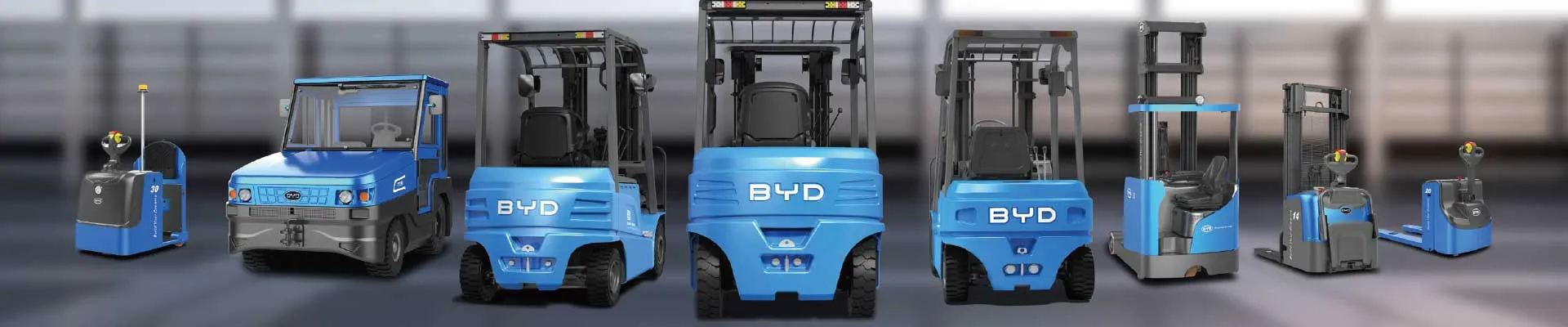
.jpg "Baini Ceramic Factory finished product handling, BYD 4-5 ton heavy-duty electric forklift selection instructions(figure1)")
As one of the pillar industries in the Baini area of Foshan, there are many factories related to ceramic production, and the finished product handling link is the core component of the internal logistics of the factory, which directly affects the delivery efficiency and product integrity of the finished product. Most ceramic finished products are stacked and stored in the form of whole pallets, and the total weight of a single pallet is generally high. The ceramic glaze surface is afraid of oil pollution, and the finished ornaments are afraid of bumps and bumps, which have high requirements on the load capacity, operation stability and environmental friendliness of the handling equipment.
In the past, many ceramic factories used fuel handling vehicles to complete the transfer of finished products. When this type of equipment was operated in a closed finished product warehouse, it was easy to generate exhaust gas and oil residues. Long-term use would not only affect the air quality in the warehouse, but also increase the cleaning workload on the surface of ceramic products. At the same time, it met the relevant control requirements of green production in the factory area. Therefore, many companies began to switch to electric forklift products suitable for heavy-duty scenarios.
In light of the actual operation scenario of Baini Ceramic Factory, when selecting a BYD 4-5 ton heavy-duty electric forklift, it is first necessary to match a reasonable load redundancy. The weight of the conventional finished pallets in local ceramic factories is mostly concentrated in the range of 3.5 tons to 4.8 tons. After sufficient load redundancy is reserved, the loss of the equipment for long-term operation is lower, and it can also easily carry the entire pallet transshipment demand of large-size slabs and thick brick products, without the risk of overload operation.
Secondly, the selection should be combined with the actual road conditions of the factory to adjust the configuration. There are certain gentle slopes around the entrance and exit of the finished product warehouse and the loading and unloading platform in many ceramic factory areas, and a small amount of ceramic processing debris is occasionally scattered on the road surface. This model can be adjusted according to the actual road conditions of the factory. The chassis ground clearance, tire anti-skid properties and other related configurations can be adjusted without additional modification and upgrading of the existing road surface. It can smoothly complete the transfer operation of the whole route and reduce the loss of finished products caused by bumps.
The third is to match the battery life plan with the operation time. During the peak sales season of the ceramic industry, the average daily operation time of forklifts in many factories can reach 8 to 10 hours. The power battery of this model supports stable long-term battery life output. It can also be used to complete short-term fast charging and replenishment during workers' shifts and meals, easily covering the full-load operation rhythm during the peak season. There is no need to configure multiple spare vehicles for rotation, reducing equipment investment costs in the factory.
In the final selection stage, it is recommended to arrange a field test drive for front-line operators, complete the whole process trial operation on the daily operation route of the factory area, and adjust the detailed configuration of the operating handle strength and seat adaptation height according to the operator's usage habits, so as to further reduce the fatigue of long-term operation personnel and make the use experience of the equipment more suitable for the actual handling needs of the factory area.


