
 简体中文
简体中文 Русский
 Français
 Português
 Español
 لالعربية
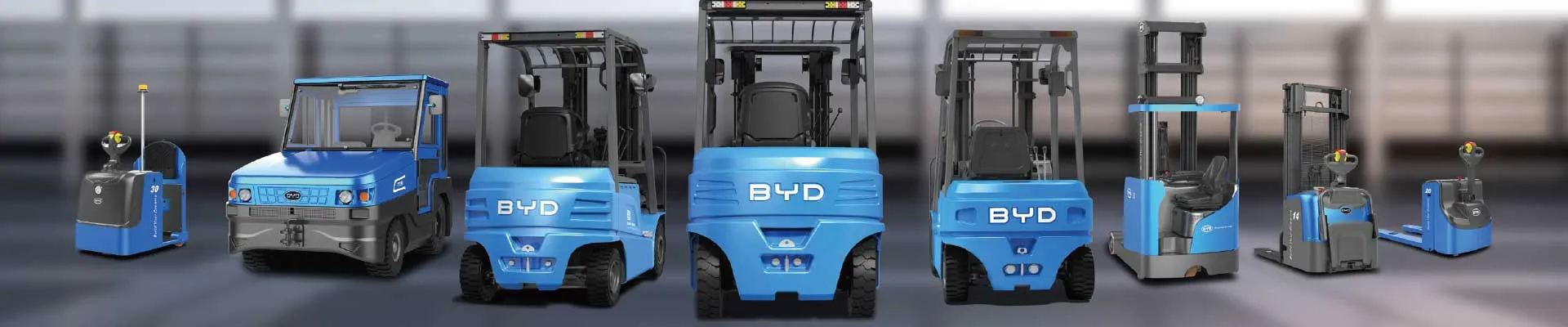
.jpg "Electronic clean workshop electric forklift selection and compliance instructions(figure1)")
The electronic clean workshop takes the production of precision electronic components as the core operation content. The control requirements for air suspended matter, particulate pollutants, electromagnetic interference and other indicators in the scene are much higher than those in the ordinary industrial scene. Once foreign matter enters the production area, it is likely to directly affect the production yield of electronic components. As a high-frequency material transfer equipment used in the workshop, the selection of electric forklifts and the compliance of daily use are an important link that cannot be ignored in the operation and maintenance system of the clean workshop. It cannot be screened only by referring to the parameter standards of ordinary industrial forklifts.
The selection process should first pay attention to the dust production and control ability of the car body itself, and give priority to the car body material with smooth surface and not easy to accumulate floating dust. All exposed splicing gaps should be sealed and blocked to avoid the accumulation of floating dust in the gap after long-term use. During operation, the dust accumulated in the gap will fall and pollute the environment. Special materials without debris characteristics should be selected for the wheel parts. It is forbidden to use ordinary industrial tires that are prone to particulate wear and debris, so as to reduce the dust production risk of the equipment itself from the source. Secondly, we should pay attention to the adaptability of the power system. Internal combustion equipment is prohibited from passing through the entire electronic clean workshop. The selected electric forklift power components should be fully sealed to avoid any oil and gas or particulate emissions during operation. At the same time, the magnetic field intensity generated by the operation of the motor should meet the electromagnetic control threshold of the electronic workshop to avoid interfering with the normal performance of precision electronic components.
After the selection is completed and put into use, the compliance management of the whole process should also be done well. Daily operation and maintenance links should be in accordance with the equipment control requirements of the clean workshop, and regular dust-free wiping and cleaning of the appearance and corners of the forklift. The lubricating oil and other consumables used in the operation and maintenance process should be selected for clean scenes. Non-volatile and non-dripping categories should be used to avoid leakage of consumables and pollution of the workshop environment. At the same time, it is necessary to clarify the operation boundary. Electric forklifts used in the clean workshop cannot be driven out of the clean control area at will. If cross-regional transfer operations are really required, the deep dust removal operation of the whole vehicle should be completed before re-entering the clean area. After testing to meet the cleanliness requirements, they can be driven into the designated production area
There are certain differences in the particle control thresholds corresponding to different grades of electronic clean workshops. The operator should combine the cleanliness level requirements of its own workshop, correspond to the electric forklift with matching parameters that meet the standards, and then officially put it into use in the whole area after completing a small-scale scene adaptation test verification. To ensure the stability and compliance of the material transfer link.


