
 简体中文
 Русский
 Français
 Português
 Español
 لالعربية

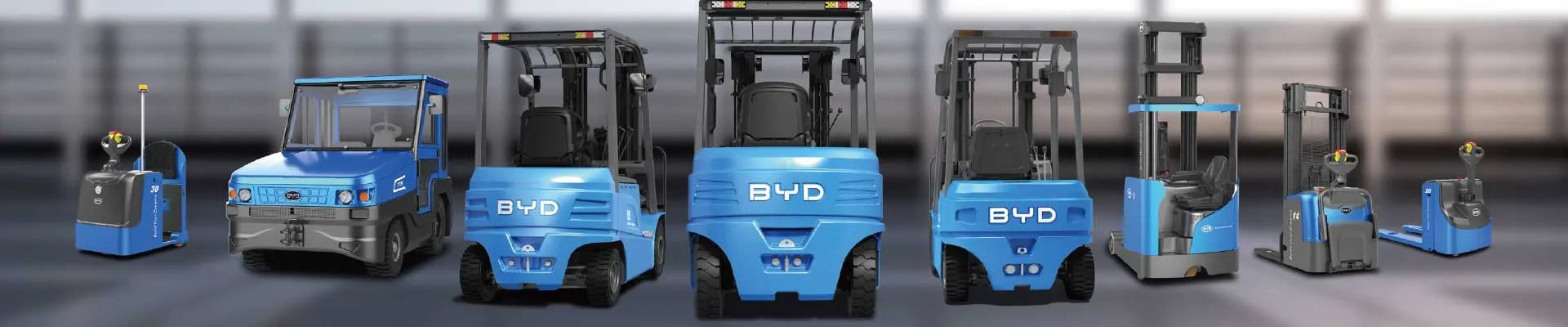

In the industrial plant material transfer scene in the Shuikou area, heavy-duty electric forklifts undertake high-frequency and large-load transshipment tasks. Under long-term high-load operation, the loss rate of various wear-resistant components will be significantly higher than that of ordinary light-duty forklifts. Regular replacement of wear-resistant components is the core link to ensure long-term stable operation of forklifts and reduce overall operation and maintenance costs.
First of all, it is necessary to clarify the actual value of regular replacement of wear-resistant parts. Many front-line operation and maintenance personnel default to the replacement of parts after they fail completely. In fact, excessive wear-resistant parts will not only reduce the operation accuracy of the forklift, but also may cause parts to get stuck and make abnormal noises during heavy-duty operations, and even cause unnecessary safety hazards. Regularly replacing the corresponding wear-resistant parts according to the specifications can avoid small losses from evolving into major failures, greatly reduce subsequent large maintenance expenses, and also ensure that the material transfer rhythm of the factory is not affected.
The core wear-resistant components that need to be regularly checked and replaced in daily maintenance are mainly divided into several categories. The first category is the wear-resistant parts related to the walking system, including the polyurethane coating layer of the driving wheel, the contact surface of the load-bearing wheel, and the wear-resistant bushing of the wheel edge. These components are in contact with the ground and track for a long time, and bear the double pressure of the vehicle's own weight and heavy-duty goods during operation. Under normal use scenarios, a comprehensive wear investigation is required every 1200 to 1500 hours of operation. When the wear amount exceeds one-third of the original thickness, replacement needs to be arranged.
The second type is the wear-resistant parts of the lifting gantry system, including the sliding lining between the gantries, the wear-resistant stopper at the root of the fork, and the support slider of the chain. These parts are responsible for the lateral friction during the lifting of the fork. Once the wear is excessive, it will cause the gantry to rise and fall to shake and shift, which will not only affect the accuracy of the stacking operation, but also may scratch the surrounding goods or shelves. The investigation cycle of such parts is recommended to be set at every 800 to 1000 working hours, and the replacement cycle can be flexibly adjusted according to the daily load strength.
The third type is the wear-resistant parts of the braking system, including the friction contact surfaces of the brake shoes and brake discs. Such parts are directly related to the operation safety of heavy-duty forklifts. Even if the daily use scenarios are gentle, it is recommended to conduct a comprehensive wear test every six months and replace them in a timely manner according to the standard threshold to eliminate the hidden dangers of brake failure.
Reference to service specifications for regular replacement of wear-resistant parts. During the maintenance operation of heavy-duty forklifts in the nozzle area, it is first necessary to coordinate the operation time with the operation and maintenance team in the factory area in advance, and try to choose non-production peak hours to carry out replacement operations to avoid occupying the normal material transfer resources of the factory area. Before replacing all wear-resistant parts, do a good job of safety locking the forklift, pull down the handbrake, pad the wheel block, cut off the power supply of the whole vehicle, and confirm that the working environment is safe before operating. After the replacement of the parts is completed, it cannot be delivered directly for use. It is necessary to practice running for 3 to 5 minutes without load, test the operating status of the corresponding parts, confirm that there is no abnormal sound, no card, and the operating accuracy meets the standard. After repeated testing with the load, after all the indicators are qualified, do a good job of maintenance record registration, and synchronously inform the user of the follow-up maintenance precautions.
Adhering to the regular replacement mechanism of wear-resistant parts for a long time can reasonably extend the overall service life of heavy-duty forklifts, greatly reduce the probability of daily sudden failures, and provide reliable material transfer support for efficient production in the factory.


